
Pull to refresh
Logo
Daily Brief
Following
Why
Servier spends $2.5 billion on Day One Biopharmaceuticals to lock in a rare pediatric cancer treatment

Servier spends $2.5 billion on Day One Biopharmaceuticals to lock in a rare pediatric cancer treatment

Money Moves
By Newzino Staff |

French pharmaceutical giant continues buying its way into United States oncology, acquiring the maker of the first approved therapy for relapsed childhood brain tumors

Today: Servier announces $2.5 billion acquisition of Day One Biopharmaceuticals

Overview

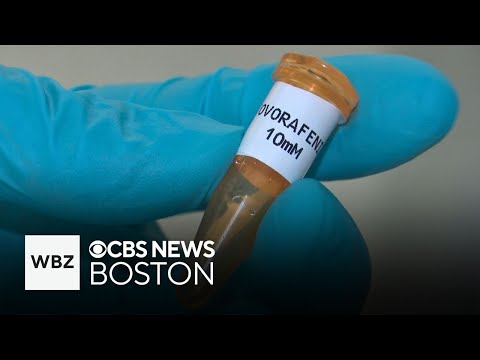
For decades, children with relapsed brain tumors had no approved targeted treatment. That changed in April 2024 when the Food and Drug Administration (FDA) cleared Ojemda, a once-weekly pill for pediatric low-grade glioma, the most common childhood brain cancer. Now the company behind it, Day One Biopharmaceuticals, has agreed to be acquired by France's Servier for $2.5 billion in cash, a 68% premium over its previous closing share price.

Key Indicators

$2.5B
Deal value
Total equity value of the all-cash acquisition at $21.50 per share
68%
Share premium
Premium over Day One's closing price of $12.78 on March 5, 2026
$155M
Ojemda 2025 revenue
Full-year 2025 net product revenue, up from $57 million in 2024
67%
Tumor response rate
Overall response rate in the pivotal FIREFLY-1 trial for relapsed pediatric brain tumors
$6.9B
Servier oncology spending since 2018
Combined value of three major oncology acquisitions: Shire ($2.4B), Agios ($2B), and Day One ($2.5B)

Interactive

Exploring all sides of a story is often best achieved with Play.

Ever wondered what historical figures would say about today's headlines?

Sign up to generate historical perspectives on this story.

Sign Up

Debate Arena

Two rounds, two personas, one winner. You set the crossfire.

People Involved

OL
Olivier Laureau
President of Servier Group (Leading Servier's 2030 oncology expansion strategy)
Jeremy Bender
Jeremy Bender
Chief Executive Officer, Day One Biopharmaceuticals (Leading Day One through Servier acquisition)
Samuel Blackman
Samuel Blackman
Co-Founder, Day One Biopharmaceuticals (Retired from Day One in late 2024; joined Pediatric Brain Tumor Foundation board)

Organizations Involved

Servier Group
Servier Group
Pharmaceutical Company
Status: Acquirer; expanding rare oncology portfolio

France's largest independent pharmaceutical company, governed by a non-profit foundation, with a strategic focus on oncology and neurology.

Day One Biopharmaceuticals
Biotechnology Company
Status: Being acquired by Servier; expected to close Q2 2026

A commercial-stage oncology company founded to develop treatments for children and adults with cancers that lacked adequate therapies.

U.S. Food and Drug Administration
Federal Regulatory Agency
Status: Granted accelerated approval for Ojemda; confirmatory Phase 3 trial ongoing

The federal agency responsible for evaluating and approving pharmaceutical drugs for use in the United States.

Timeline

  1. Servier announces $2.5 billion acquisition of Day One Biopharmaceuticals

    Acquisition

    Servier agreed to pay $21.50 per share in cash, a 68% premium, to acquire Day One and its pediatric brain tumor franchise, including Ojemda and two clinical-stage drug candidates. The deal is expected to close in the second quarter of 2026.

  2. Day One acquires Mersana Therapeutics for approximately $285 million

    Acquisition

    Day One expanded its pipeline by purchasing Mersana and its antibody drug conjugate for adenoid cystic carcinoma, a rare cancer of the salivary glands.

  3. Day One licenses ex-US rights for Ojemda to Ipsen

    Partnership

    French pharmaceutical company Ipsen paid $111 million upfront for the rights to commercialize tovorafenib outside the United States, with up to $350 million in additional milestones.

  4. FDA grants accelerated approval to Ojemda for pediatric brain tumors

    Regulatory

    Ojemda became the first FDA-approved systemic therapy for relapsed or refractory pediatric low-grade glioma with certain gene alterations, based on a 67% tumor response rate in the FIREFLY-1 trial.

  5. Servier completes $2 billion acquisition of Agios oncology portfolio

    Acquisition

    Servier gained Tibsovo and a pipeline of blood cancer drugs, further expanding its United States commercial presence in rare oncology.

  6. Day One Biopharmaceuticals founded

    Corporate

    Physician-scientist Samuel Blackman and venture capitalist Julie Grant co-founded Day One to develop cancer treatments for children, raising seed capital to pursue shelved drug candidates from larger companies.

  7. Servier announces $2.4 billion acquisition of Shire's oncology unit

    Acquisition

    Servier entered the United States oncology market by purchasing Shire's cancer portfolio, including treatments for acute lymphoblastic leukemia and pancreatic cancer.

Scenarios

1

Servier closes the deal and accelerates Ojemda's expansion into front-line treatment

Discussed by: BioPharma Dive, STAT News, and industry analysts covering the transaction

Servier completes the acquisition in the second quarter of 2026, as planned. With Servier's global infrastructure, the FIREFLY-2 Phase 3 trial — testing Ojemda as a first-line treatment rather than only for children whose tumors have already returned — completes enrollment and eventually yields positive results. This would significantly expand the eligible patient population and could push Ojemda well past its current $225-250 million revenue guidance. The existing licensing deal with Ipsen for markets outside the United States remains in place, creating a two-company global commercial footprint for the drug.

2

Regulatory or antitrust hurdles delay or block the transaction

Discussed by: Halper Sadeh LLC (investigating shareholder fairness), StreetInsider analysts

United States antitrust review or shareholder opposition slows the closing beyond the second quarter of 2026. If fewer than a majority of Day One's shareholders tender their shares, or if regulators raise concerns about concentration in pediatric oncology, the deal could be renegotiated or abandoned. However, given that Servier has no overlapping pediatric oncology products and has cleared similar reviews in past acquisitions, this outcome is considered unlikely.

3

Ojemda's confirmatory trial falls short, threatening its continued approval

Discussed by: FDA regulatory analysts, oncology researchers following the FIREFLY-2 trial

Ojemda was approved under the FDA's accelerated approval pathway, which requires a confirmatory trial to verify clinical benefit. If the Phase 3 FIREFLY-2 study fails to demonstrate that front-line tovorafenib improves outcomes over standard chemotherapy, the FDA could withdraw the approval. This would dramatically reduce the commercial value of the acquisition. The strong Phase 2 results — 67% response rate with durable responses lasting over a year — make this a low-probability scenario, but it is a structural risk inherent to any accelerated-approval drug.

4

Servier uses Day One as a platform for further pediatric and rare oncology acquisitions

Discussed by: Fierce Pharma, PharmaVoice analysts covering Servier's 2030 strategy

Having built substantial commercial infrastructure through three major deals since 2018, Servier continues acquiring oncology assets to meet its stated 2030 ambitions. Day One's pipeline — including the PTK7-targeting antibody drug conjugate DAY301 and Mersana's drug for adenoid cystic carcinoma — gives Servier a foundation to pursue additional rare cancer programs. Goldman Sachs has predicted record-breaking pharmaceutical dealmaking in 2026, and Servier's non-profit foundation structure gives it more flexibility than publicly traded companies to invest in commercially modest but medically significant rare disease programs.

Historical Context

Servier acquires Shire's oncology business (2018)

April-August 2018

What Happened

Servier paid $2.4 billion to buy Shire's cancer drug portfolio, including Oncaspar for acute lymphoblastic leukemia and ex-US rights to Onivyde for pancreatic cancer. The deal gave Servier, which had no direct United States commercial operations in oncology, an immediate foothold with a Boston-based team of 80 employees.

Outcome

Short Term

Servier established Servier Pharmaceuticals LLC in the United States and began selling cancer treatments directly to American hospitals for the first time.

Long Term

The acquisition set the template for Servier's strategy of buying its way into United States oncology rather than building from scratch, a pattern it repeated with Agios in 2021 and Day One in 2026.

Why It's Relevant Today

The Day One deal is the third iteration of the same playbook Servier established with the Shire purchase: acquire a proven oncology asset with United States commercial traction to layer onto its growing American operation.

AstraZeneca acquires Alexion Pharmaceuticals (2020-2021)

December 2020 - July 2021

What Happened

AstraZeneca paid $39 billion to acquire Alexion, the maker of rare disease blockbusters Soliris and Ultomiris. The deal represented a 45% premium over Alexion's share price and gave AstraZeneca an immediate $6 billion annual revenue boost.

Outcome

Short Term

AstraZeneca immediately became a major player in rare diseases, adding two drugs with combined annual revenues exceeding $6 billion.

Long Term

The acquisition validated the strategy of large pharmaceutical companies paying steep premiums to enter the rare disease space, where smaller patient populations are offset by high drug prices and limited competition.

Why It's Relevant Today

Servier's Day One purchase follows the same logic at a smaller scale: paying a significant premium to acquire a dominant position in a rare disease niche where few competitors operate and patients have limited alternatives.

Jazz Pharmaceuticals acquires Celator Pharmaceuticals (2016)

May-July 2016

What Happened

Jazz Pharmaceuticals paid $1.5 billion to acquire Celator and its lead drug Vyxeos, a reformulated chemotherapy combination for acute myeloid leukemia that had received breakthrough therapy and orphan drug designations from the FDA. The drug had not yet been approved at the time of the acquisition.

Outcome

Short Term

Vyxeos won FDA approval in August 2017 and became a standard of care for certain forms of acute myeloid leukemia.

Long Term

The deal demonstrated that acquiring companies with FDA-designated rare cancer drugs before peak commercialization could yield outsized returns, as orphan drug exclusivity and limited competition protect revenue.

Why It's Relevant Today

Like Celator, Day One had an FDA-approved product with orphan drug status and breakthrough designation in a narrow cancer indication. Both deals reflect the premium acquirers will pay for drugs that serve small but underserved patient populations with strong regulatory protections.

Sources

(12)