
Pull to refresh
Logo
Netflix buys Radford Studio Center for $380 million

Netflix buys Radford Studio Center for $380 million

Money Moves Los Angeles, CA local

Streaming giant pays 20% of 2021 price after Hackman Capital's $1.1 billion default

Overview

Updated 3 minutes ago

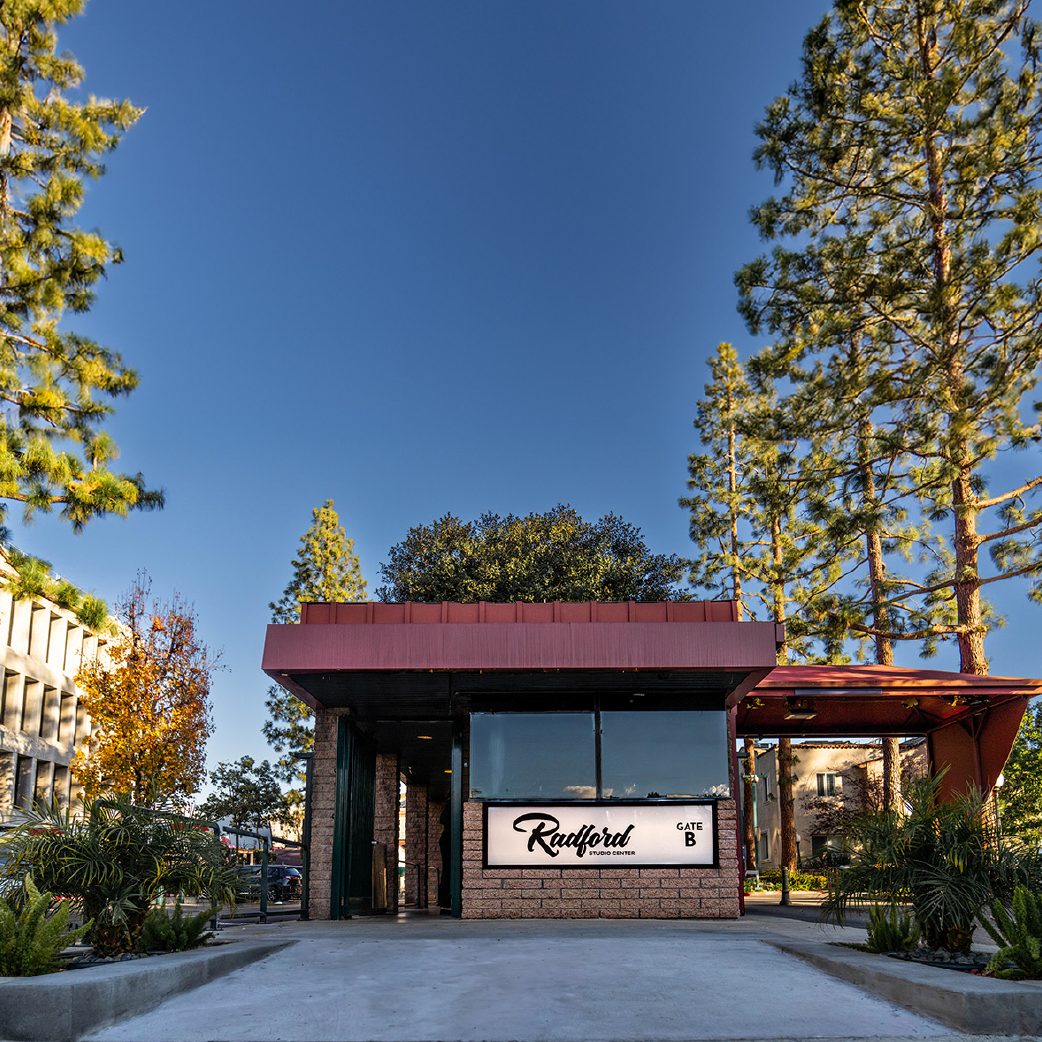
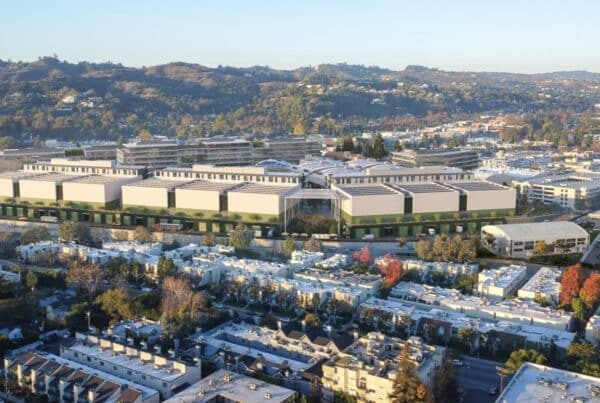
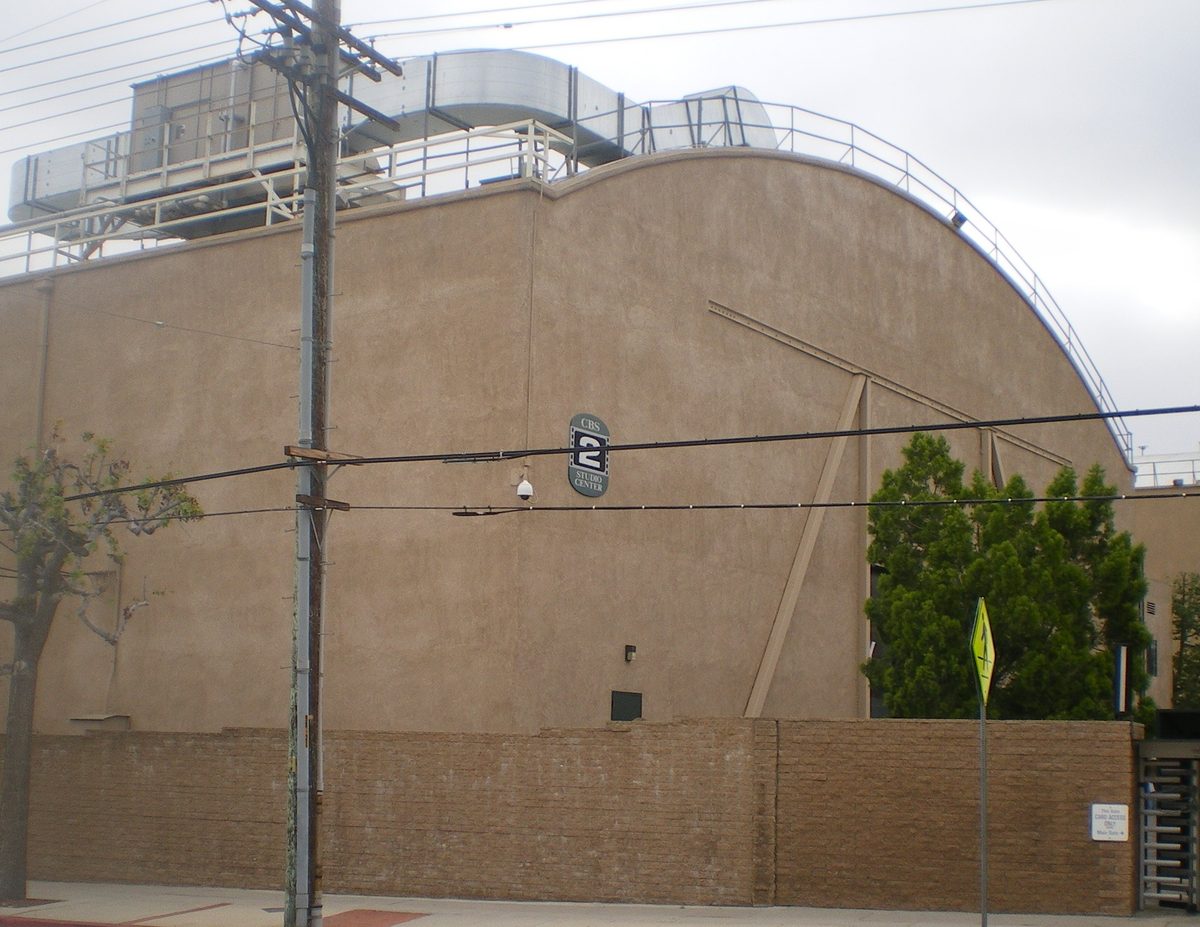
Netflix agreed to buy Radford Studio Center, a 55-acre lot in Studio City, for $380 million. A Goldman Sachs-led lender group sold it after Hackman Capital defaulted on a $1.1 billion mortgage.

The price is about 20% of the $1.85 billion Hackman paid in 2021. It shows how far studio real estate values have fallen after the streaming boom and 2023 labor strikes.

Why it matters

Netflix is buying a 55-acre studio lot for 20 cents on the dollar, showing how far Hollywood production real estate values have fallen.

Last Monday's email for Los Angeles, CA

Sent Nov 23. It carried:

Get next Monday's: one short email a week. Free. Unsubscribe in one click.

Questions about this story

Free account needed to ask — your question is kept and asked for you right after sign-up. Answers are public.

No questions yet — be the first to ask.

Key Indicators

$380M
Purchase price
Netflix's purchase price for Radford Studio Center.
$1.85B
Previous sale price
Price Hackman Capital paid in 2021.
$1.1B
Defaulted mortgage
Loan Hackman defaulted on.
55 acres
Lot size
Size of the studio lot.
22
Sound stages
Number of stages on the lot.

Voices

Curated perspectives — historical figures and your fellow readers.

Sign up to generate historical perspectives on this story.

People Involved

Organizations Involved

Timeline

2021 November 2026

3 events Latest: 3 days ago
  1. Reports confirm price and terms

    Latest News

    Reports confirm $380M price and plan to retain studio team.

  2. Netflix buys Radford for $380M

    Sale

    Netflix announces purchase of Radford Studio Center for $380 million.

  3. Hackman buys Radford for $1.85B

    Sale

    Hackman Capital buys Radford from ViacomCBS for $1.85 billion.

Scenarios

1

Netflix turns Radford into a production hub

Likely Resolves by End of 2027

Discussed by: Deadline, The Hollywood Reporter

Netflix retains existing studio team and operator ZVantage, then ramps up productions at Radford. The lot becomes a key part of Netflix's Los Angeles production strategy.

2

Netflix sells or leases Radford to another operator

Possible Resolves by End of 2027

Discussed by: Commercial Observer, Bisnow

Netflix treats the purchase as a financial investment and flips the property or leases it to a third-party operator, unlocking capital.

3

Hollywood production slump deepens, Netflix scales back

Unlikely Resolves by End of 2027

Discussed by: LA Times, Variety

A continued downturn in production leads Netflix to cut costs and reduce its real estate footprint, potentially mothballing parts of Radford.

Historical Context

3 moments from history that rhyme with this story — and how they unfolded.

2021

Hackman Capital's $1.85B Radford Purchase (2021)

Hackman Capital bought Radford from ViacomCBS for $1.85 billion, betting on streaming demand for production space. It was one of the highest prices ever paid for a studio lot.

Then

Hackman took on a $1.1 billion mortgage to finance the deal.

Now

Production slowed and interest rates rose, leading to default and a $380 million sale.

Why this matters now

The 80% price drop shows how quickly studio real estate values can fall when the streaming boom ends.

May–November 2023

The 2023 Hollywood Labor Strikes

Writers and actors went on strike for months, halting most film and television production in Los Angeles. Studios idled stages and cut costs.

Then

Production shutdowns left studio space empty.

Now

Demand for stage space fell, contributing to oversupply and lower rents.

Why this matters now

The strikes accelerated the decline in production that left Radford vulnerable to default.

2007–2009

The 2008 Financial Crisis

A credit crunch and housing collapse led to widespread foreclosures and distressed asset sales. Leveraged buyers defaulted on properties.

Then

Banks took back properties and sold them at steep discounts.

Now

Commercial real estate values took years to recover.

Why this matters now

Hackman's default and Netflix's deep discount follow the same pattern of leverage turning into distress.

Sources

(3)