

October 1967
Redefinition of the second (1967)
The 13th General Conference on Weights and Measures replaced astronomical timekeeping with atomic time, defining the second by the microwave transition of cesium-133. Previously, the second was tied to Earth's rotation, which drifts by milliseconds per century.
Then
The cesium standard ended reliance on astronomical observations and enabled the GPS, telecommunications, and finance systems built on precise timing.
Now
The 1967 decision set the precedent that metrologists revisit the second's definition as clocks improve — the same process now targeting optical clocks.
Why this matters now
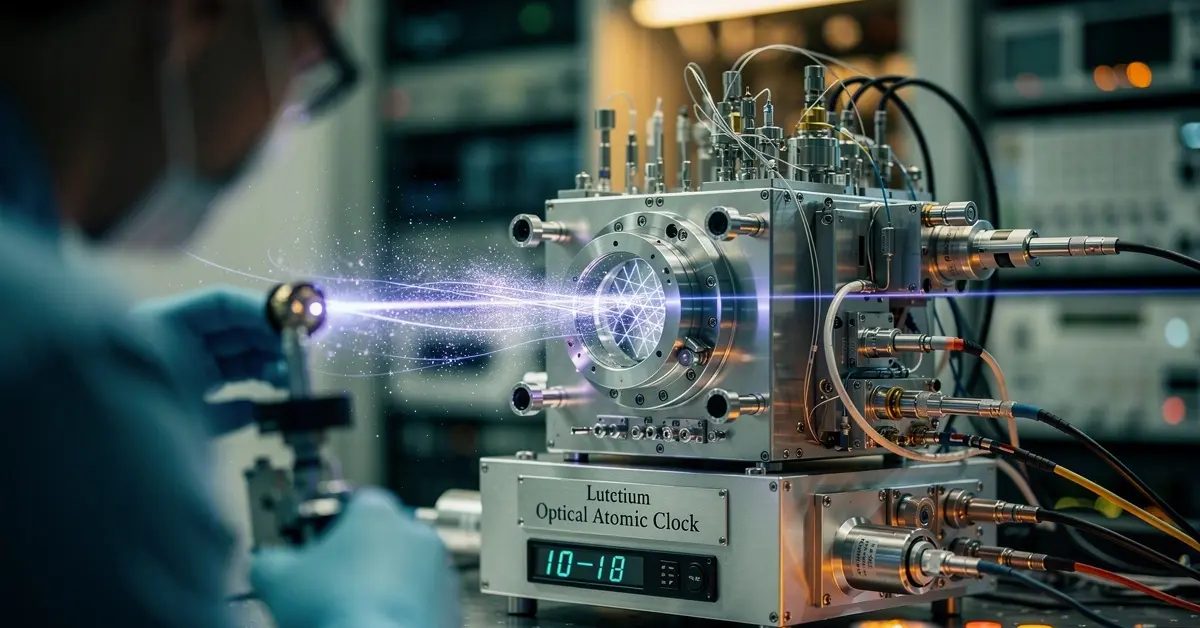
The 2026 lutetium result is the latest step in that redefinition process, which BIPM plans to revisit in or after 2030.