

Logo
Daily Brief
Following
Why
Malaysia's Military Procurement Scandal Triggers Historic Freeze

Malaysia's Military Procurement Scandal Triggers Historic Freeze

A former army chief's arrest exposes an alleged cartel, prompting the government to halt all defense and police procurement

Today: PM Orders Historic Procurement Freeze

Overview

Malaysia's defence procurement system has produced scandal after scandal—the Scorpene submarines, the littoral combat ships, now a suspected cartel controlling army tenders. On January 17, Prime Minister Anwar Ibrahim took a step no predecessor had: freezing all military and police procurement involving anyone under investigation, while ordering a comprehensive review of how the government buys weapons and equipment.

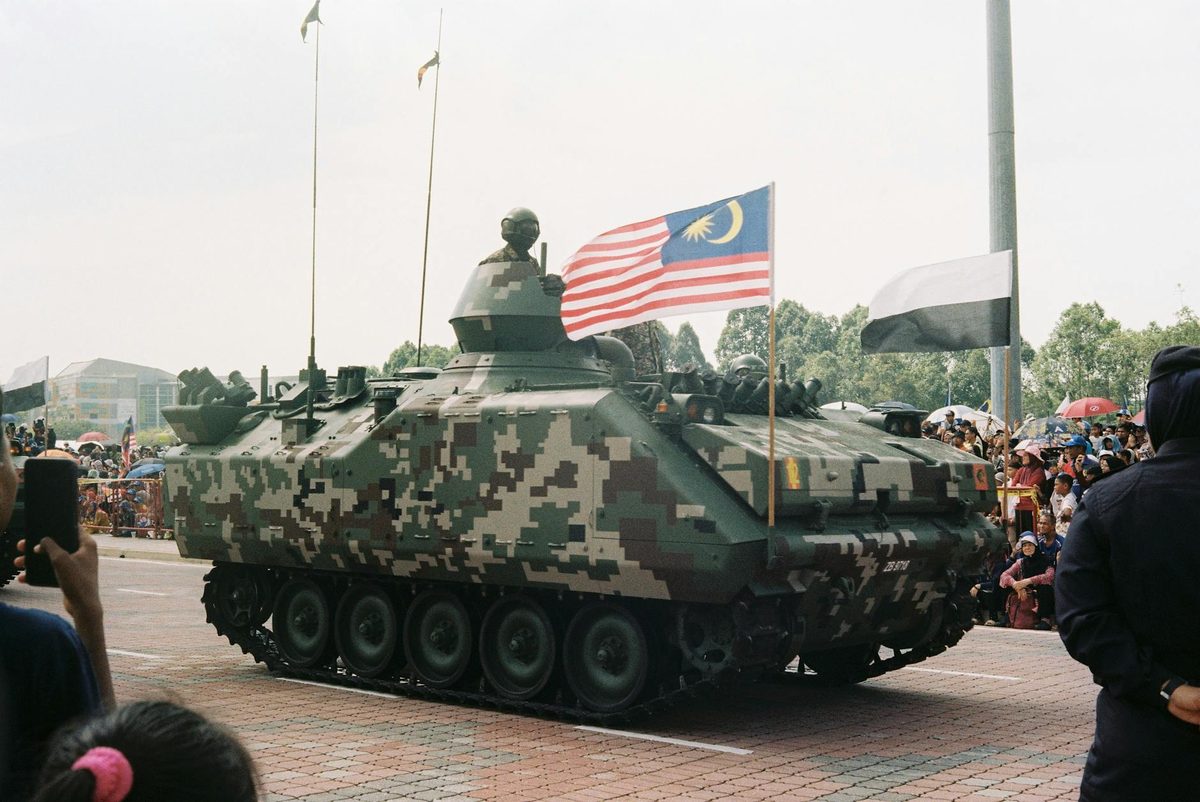
The freeze follows the January 7 arrest of former army chief Muhammad Hafizuddeain Jantan—who had been days away from becoming chief of the armed forces—along with his two wives and 20 others. The Malaysian Anti-Corruption Commission has seized over RM50 million in cash and frozen assets, frozen 75 company bank accounts, and is investigating an alleged 26-company cartel that prosecutors say rigged 158 major contracts and thousands of smaller ones between 2023 and 2025.

Key Indicators

RM50M+
Cash and assets seized
Including RM4.4M in cash, 26 luxury watches worth RM2.3M, and gold valued at RM2.6M
23
Individuals arrested
Military personnel, company directors, and family members detained since January 6
158
Major projects under scrutiny
Procurement contracts exceeding RM500,000 each from 2023-2025, plus 4,500+ smaller projects
RM21.7B
2026 defense budget
Malaysia's total defense allocation, now subject to procurement reforms

People Involved

Muhammad Hafizuddeain Jantan
Former Malaysian Army Chief (2023-2025) (Released from remand; retired effective January 1, 2026)
Anwar Ibrahim
Anwar Ibrahim
Prime Minister of Malaysia (Ordered procurement freeze and reforms)
Azam Baki
Azam Baki
Chief Commissioner, Malaysian Anti-Corruption Commission (Leading the investigation; expects to submit findings to prosecutors)
SI
Sultan Ibrahim Sultan Iskandar
King of Malaysia (Yang di-Pertuan Agong) (Issued rare public warning on military corruption)
Azhan Md Othman
Azhan Md Othman
31st Chief of Army (Appointed January 1, 2026; installed January 6)
Mohamed Khaled Nordin
Minister of Defence (Implementing procurement freeze; balancing reform with operational readiness)

Organizations Involved

MA
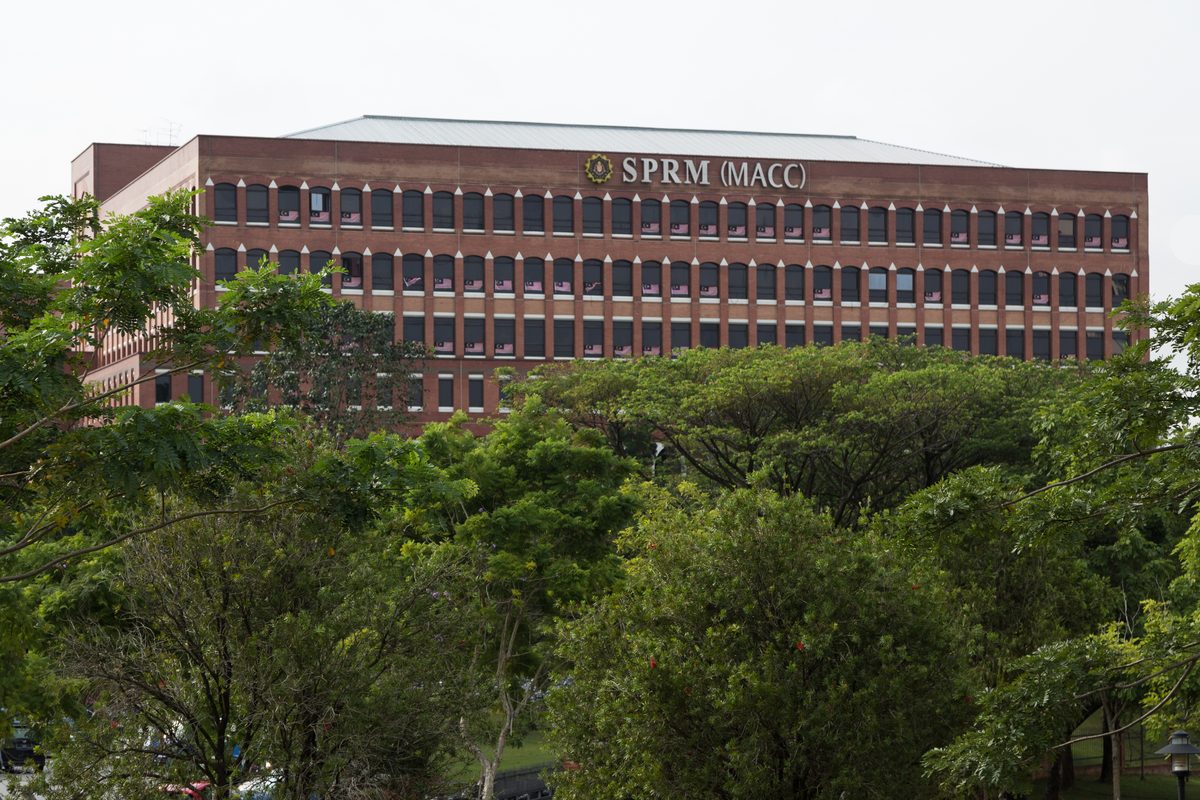
Malaysian Anti-Corruption Commission (MACC)
Federal Anti-Corruption Agency
Status: Leading investigation

Malaysia's primary anti-corruption enforcement body, with authority to investigate and recommend prosecution of public officials and private actors involved in bribery and abuse of power.

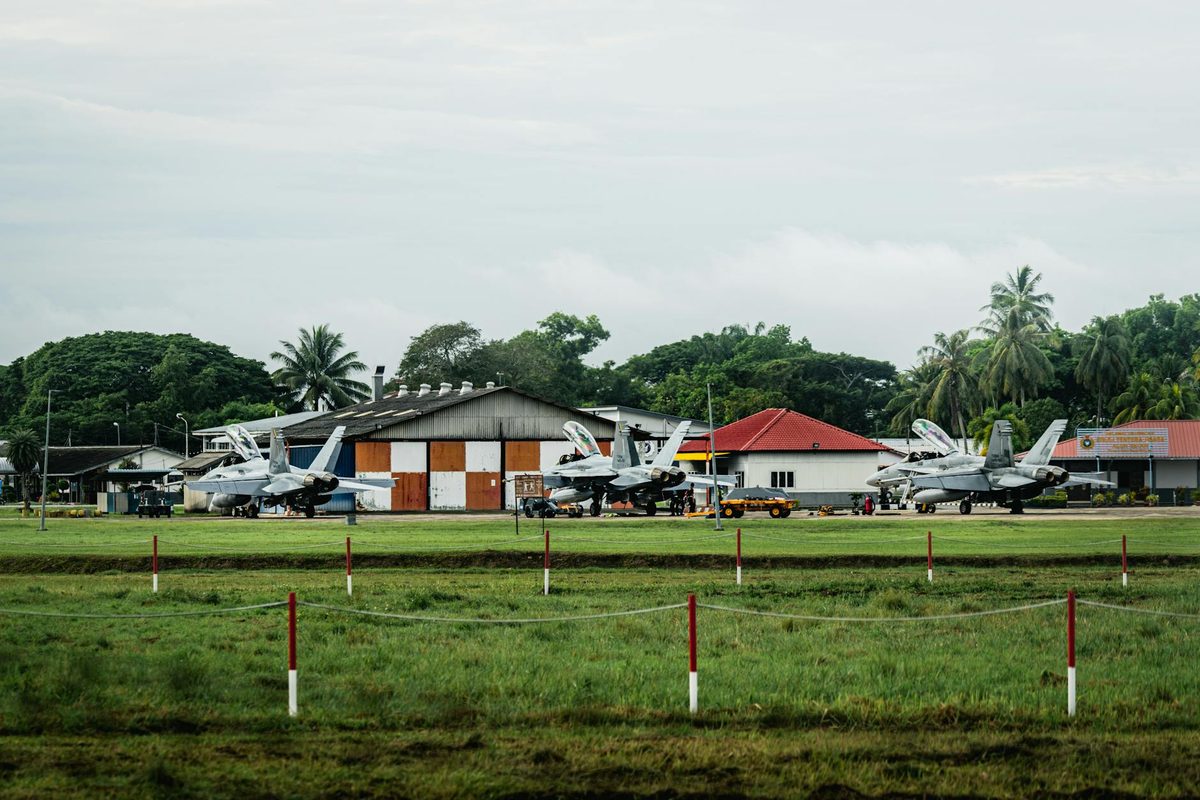
Ministry of Defence Malaysia
Government Ministry
Status: Subject to procurement freeze and review

Oversees the Malaysian Armed Forces and manages the RM21.7 billion annual defence budget, including RM6 billion allocated for new and upgraded assets in 2026.

Timeline

  1. PM Orders Historic Procurement Freeze

    Policy

    Prime Minister Anwar Ibrahim announces a freeze on all military and police procurement involving individuals under investigation and orders a comprehensive review of procurement processes.

  2. MACC Announces RM50M+ Seizures, Charges Coming

    Investigation

    MACC chief Azam Baki reveals total seized assets exceed RM50 million and announces charges will be proposed against at least three senior officers.

  3. Another Senior Officer Detained

    Legal

    MACC arrests an additional senior Malaysian Armed Forces officer, bringing total arrests to 23.

  4. Ex-Army Chief Released, Retires

    Legal

    Hafizuddeain is freed from remand and applies for early retirement effective January 1, 2026, leaving the Chief of Defence Forces position vacant.

  5. Former Army Chief and Wives Arrested

    Legal

    MACC arrests former army chief Muhammad Hafizuddeain Jantan and his two wives at MACC headquarters in Putrajaya. He is remanded for seven days.

  6. King Issues Corruption Warning

    Statement

    Sultan Ibrahim calls corruption the military's "main enemy" and criticizes middlemen in defence procurement, marking rare royal intervention.

  7. 17 Company Directors Remanded

    Legal

    MACC remands 17 company directors—nine men and eight women—suspected of participating in a cartel that rigged army procurement tenders.

  8. New Army Chief Named

    Personnel

    Lieutenant-General Azhan Md Othman is appointed 31st Army Chief effective January 1, replacing Hafizuddeain.

  9. Army Chief Placed on Leave

    Personnel

    Defence Minister Khaled Nordin places General Hafizuddeain on immediate leave, suspending his pending appointment as Chief of Defence Forces amid corruption allegations.

  10. MACC Opens Procurement Probe

    Investigation

    The Malaysian Anti-Corruption Commission begins recording statements from individuals connected to army procurement projects, launching its investigation into contracts from 2023-2025.

Scenarios

1

Charges Filed, Convictions Follow: Structural Reform Takes Hold

Discussed by: MACC leadership statements; South China Morning Post analysis

MACC submits investigation files to the Attorney General's office by late January 2026. Multiple senior officers and company directors face prosecution for bribery and money laundering. Convictions lead to prison sentences and asset forfeiture. The procurement freeze becomes permanent policy, with open tenders replacing direct negotiations. This outcome would represent the first successful prosecution of a Malaysian army chief-level officer for corruption.

2

Investigation Stalls, Freeze Lifted Quietly

Discussed by: Transparency International Malaysia; Asia Sentinel

Prosecutorial discretion, evidentiary challenges, or political pressure results in reduced or dropped charges. The former army chief avoids conviction. The procurement freeze is lifted after a nominal review, and structural reforms remain limited. Historical precedent—including the LCS scandal's lack of convictions for senior officials—suggests this pattern is possible. Defence procurement returns to previous practices with cosmetic oversight changes.

3

Scandal Expands, Implicates Political Figures

Discussed by: Organized Crime and Corruption Reporting Project (OCCRP); Free Malaysia Today opinion writers

MACC's investigation uncovers connections between the alleged cartel and political figures or reveals that the scheme extends beyond 2023-2025. This would trigger a broader political crisis and potentially lead to ministerial resignations. The Government Procurement Bill 2025 faces stress-testing as enforcement meets political resistance. Given Malaysia's history of defence scandals implicating senior politicians (Scorpene, LCS), this scenario cannot be ruled out.

4

Reform Succeeds, Malaysia Becomes Regional Model

Discussed by: Transparency International; academic analysts

The combination of royal intervention, prosecution, and the 2025 Procurement Bill creates genuine structural change. Malaysia's defence procurement moves from opacity to competitive bidding with effective oversight. Foreign defence partners express renewed confidence. If sustained, this would distinguish Malaysia from regional peers like Indonesia, where military corruption reform has repeatedly stalled despite similar laws.

Historical Context

Malaysia Scorpene Submarine Scandal (2002-present)

2002-present

What Happened

Malaysia purchased two French Scorpene submarines for €1 billion in a deal negotiated while Najib Razak served as Defence Minister. French investigations revealed that €114 million went to Perimekar, a shell company controlled by the family of Najib's associate Razak Baginda. The scandal became notorious after Altantuya Shaariibuu, a Mongolian translator who worked on the deal, was murdered and her body destroyed with military explosives. Two of Najib's bodyguards were convicted of the killing.

Outcome

Short Term

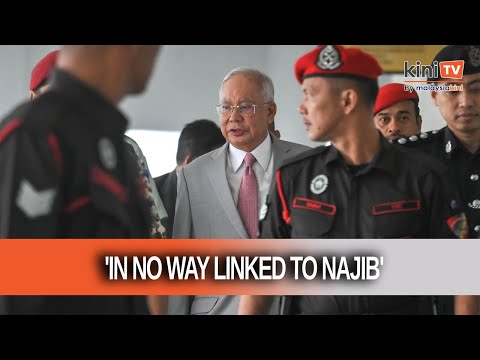
French prosecutors indicted DCNS executives and charged Razak Baginda with corruption. Najib denied involvement and faced no charges in Malaysia.

Long Term

The scandal demonstrated how defence procurement opacity enables corruption. No structural reforms followed. Najib later became Prime Minister (2009-2018) before his 1MDB-related conviction.

Why It's Relevant Today

The Scorpene case established the pattern now visible in the current probe: defence contracts flowing to connected intermediaries, allegations of bribery to senior officials, and questions about whether political will exists to prosecute those at the top.

Malaysia Littoral Combat Ship (LCS) Scandal (2011-present)

2011-present

What Happened

The government awarded a RM9.14 billion contract to Boustead Naval Shipyard for six combat ships through direct negotiation—the largest defence procurement in Malaysian history. By 2022, the government had paid RM6.08 billion, but not a single ship had been delivered. A parliamentary investigation found RM1.4 billion had been diverted for other purposes. The cost ballooned to RM11.2 billion for only five vessels.

Outcome

Short Term

Former navy chief Ahmad Ramli Nor was charged with fraud but received a discharge in March 2025 due to being unfit for trial.

Long Term

The scandal prompted passage of the Government Procurement Bill 2025 and demonstrated systemic failures in oversight. However, no senior official has been convicted.

Why It's Relevant Today

The LCS scandal shaped the political context for the current investigation. It created pressure for the Procurement Bill and makes it harder for the government to allow another major defence corruption case to end without accountability.

South Korea Defence Acquisition Program Administration Reform (2006)

2003-2006

What Happened

Following repeated defence procurement scandals, South Korea under President Roh Moo-hyun created the Defence Acquisition Program Administration (DAPA) in January 2006. DAPA was given exclusive authority over defence procurement, removing it from military control. The reform included regular corruption assessments and mandatory transparency measures.

Outcome

Short Term

Initial resistance from military establishment; some scandals continued during transition.

Long Term

South Korea moved from high-risk to moderate-risk for defence corruption (Transparency International Band C). While not perfect—procurement remains the highest-risk area—the institutional reform created accountability structures that previously did not exist.

Why It's Relevant Today

South Korea's experience suggests that structural reform—not just prosecutions—is necessary to address defence procurement corruption. Malaysia's Government Procurement Bill 2025 is its equivalent attempt, but implementation will determine whether it achieves similar results.

14 Sources: