

Pull to refresh
Logo
Construction starts on Marinus Link undersea power cable between Tasmania and Victoria

Construction starts on Marinus Link undersea power cable between Tasmania and Victoria

Built World

750 MW first stage of the interconnector is scheduled to be operational by late 2030

Today: First sod turned, major construction starts

Overview

Updated 1 hour ago

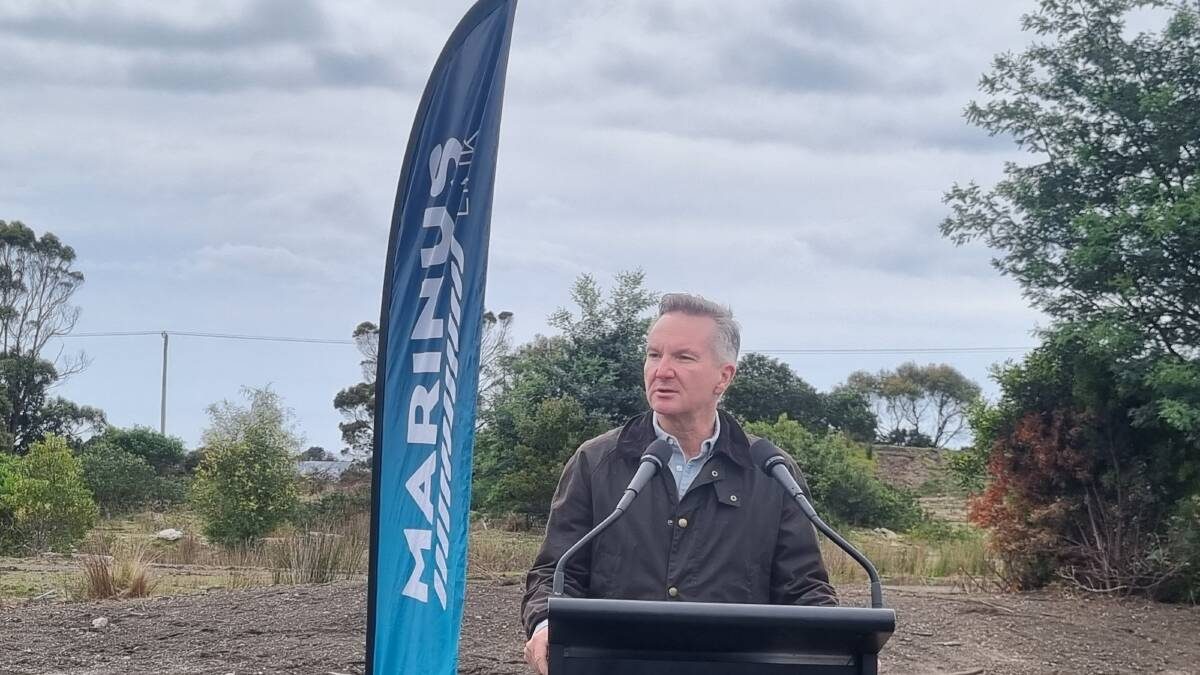
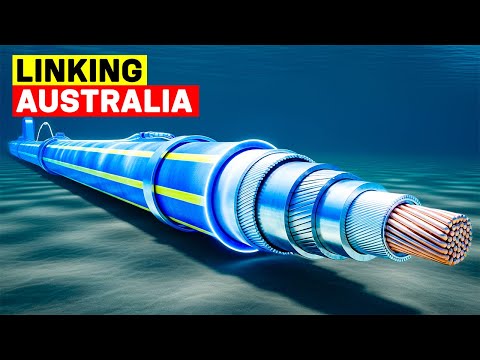
On October 5, officials turned the first sod on Marinus Link, officially starting construction of a 750 megawatt undersea power cable between Tasmania and Victoria. The cable will run 255 kilometers across Bass Strait and 90 kilometers underground to the Latrobe Valley.

When complete in late 2030, the link will carry electricity both ways across the strait, adding 50% more capacity than the existing Basslink cable. It is part of Project Marinus, which also includes about 240 kilometers of new and upgraded transmission lines in Tasmania's northwest.

Why it matters

The link lets Tasmania export hydro power and import cheap solar and wind, reshaping the east coast grid as coal plants retire.

Questions about this story

Free account needed to ask — your question is kept and asked for you right after sign-up. Answers are public.

No questions yet — be the first to ask.

Key Indicators

750 MW
Stage 1 capacity
Enough to power about 750,000 homes, per the federal government.
345 km
Total cable length
255 km undersea across Bass Strait plus 90 km underground in Victoria.
2,400
Expected jobs
About 1,400 of the construction jobs are in Tasmania, per Minister Chris Bowen.
$2.4B
Expected investment
Total investment projected for Project Marinus, including transmission upgrades.
50%
Capacity increase over Basslink
Marinus Link adds 750 MW to the existing 500 MW Basslink cable.

Voices

Curated perspectives — historical figures and your fellow readers.

Ever wondered what historical figures would say about today's headlines?

Sign up to generate historical perspectives on this story.

People Involved

Organizations Involved

Timeline

August 2025 October 2026

4 events Latest: Today
Tap a bar to jump to that date
  1. First sod turned, major construction starts

    Today Construction

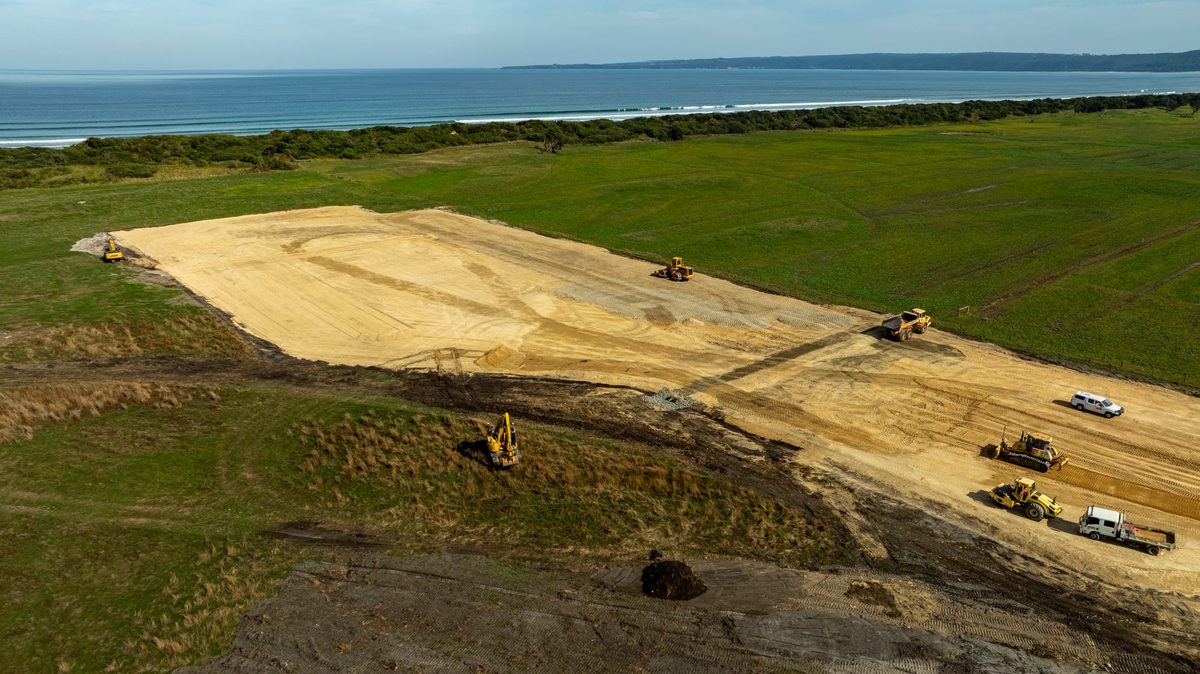
    Officials turn the first sod in Heybridge, officially starting major construction of the 750 MW Stage 1 interconnector.

  2. Early works commence

    Construction

    Preparatory works begin in Heybridge, Tasmania and across Gippsland, Victoria, including site investigations and contractor mobilisation.

  3. Regulator approves cost recovery

    Regulatory

    Australian Energy Regulator approves Marinus Link and North West Transmission cost recovery, enabling full construction.

  4. Final Investment Decision confirmed

    Decision

    Tasmanian, Victorian and Australian governments confirm they will proceed with Stage 1 of Project Marinus.

Scenarios

1

Marinus Link Stage 1 energizes on schedule in late 2030

Likely Resolves by Q1 2031

Discussed by: Project officials, the Australian Energy Market Operator, and the federal government

Construction proceeds on schedule, with the cable energized and carrying electricity between Tasmania and Victoria by late 2030 as planned. AEMO's modelling has reaffirmed the link's role in delivering reliable, least-cost energy across the National Electricity Market.

2

Stage 1 delayed beyond 2030

Possible Resolves by Q1 2031

Discussed by: Infrastructure analysts and energy market observers

Supply chain issues, weather delays in Bass Strait, or contractor problems push completion into 2031 or later. The undersea cable installation is the riskiest phase, with weather windows in Bass Strait limiting work periods.

3

Stage 2 approved, doubling capacity to 1,500 MW

Uncertain Resolves by End of 2029

Discussed by: Tasmanian and federal governments

After Stage 1 proves successful, governments approve the second 750 MW stage, doubling the link's capacity. The Burnie City Council's project update notes the second stage was forecast to be built and operating from 2030, though no final decision has been made.

Historical Context

2 moments from history that rhyme with this story — and how they unfolded.

December 2015 - June 2016

Basslink outage (2015-2016)

Basslink, the existing 500 MW undersea cable connecting Tasmania to Victoria, went offline in December 2015 after a fault. The outage lasted about six months, forcing Tasmania to rely on its own hydro generation during a drought and import diesel power.

Then

Tasmania faced energy shortages and had to run emergency diesel generation to keep the lights on.

Now

The outage exposed Tasmania's vulnerability as an island grid with a single connection to the mainland, strengthening the case for a second interconnector.

Why this matters now

Marinus Link is that second interconnector. It gives Tasmania redundancy if Basslink fails again and adds export capacity for its hydro and wind resources.

October 2021

North Sea Link (2021)

The North Sea Link, a 1,400 MW high-voltage direct current cable between the United Kingdom and Norway, began operating in October 2021. It lets Norway export hydro power to Britain and import wind power when it is plentiful.

Then

The link began trading electricity both ways, smoothing price differences between the two markets.

Now

It became a model for bilateral interconnectors that pair hydro storage with variable wind and solar generation.

Why this matters now

Marinus Link works on the same principle: Tasmania's hydro dams act as a battery for the mainland grid, storing cheap solar and wind and releasing it when needed.

Sources

(8)