

Pull to refresh
Logo
Western Isles begin first electricity link to the mainland

Western Isles begin first electricity link to the mainland

Built World

Construction starts on the Lewis Hub converter station, the anchor for a 1.8 GW subsea cable to Scotland

Overview

Updated 55 minutes ago

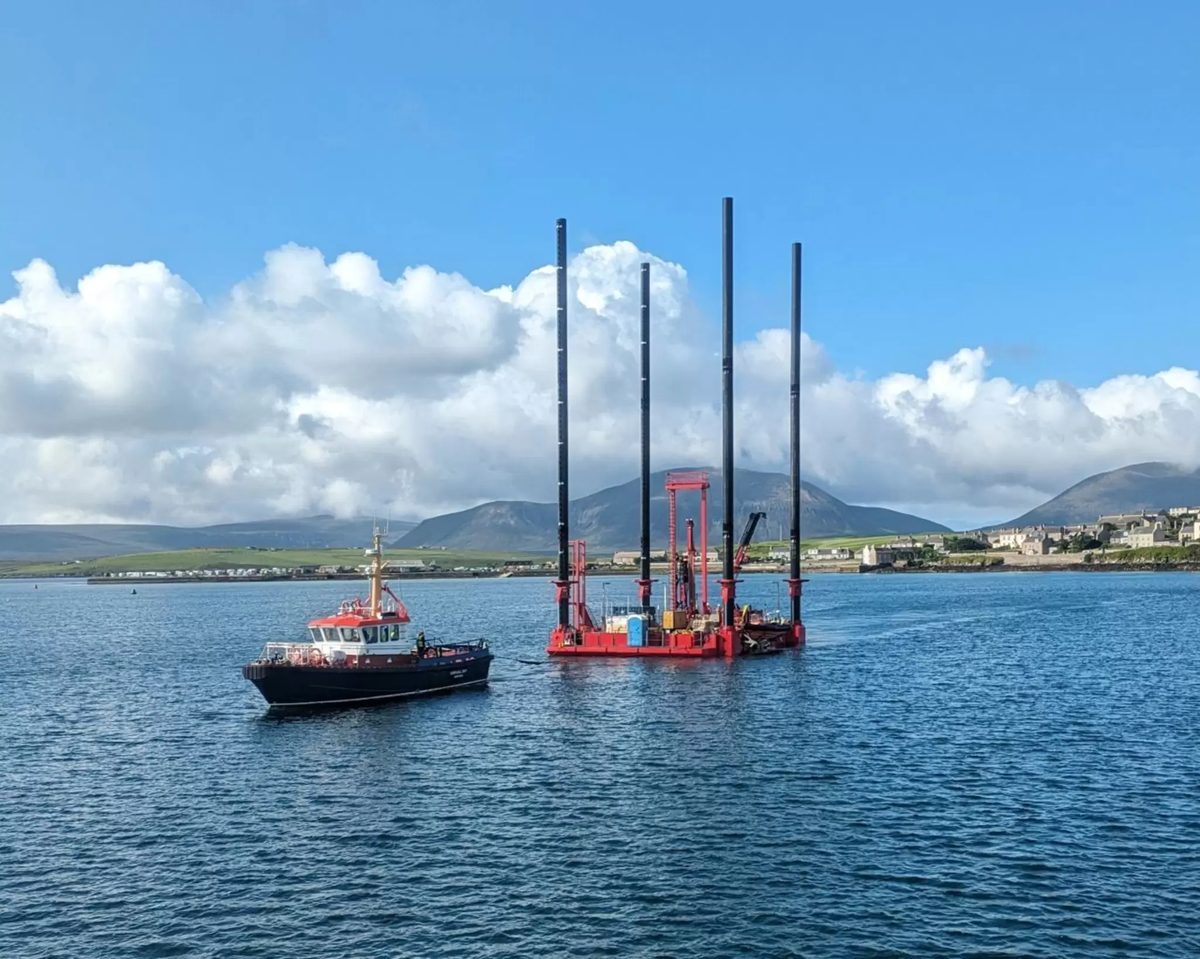
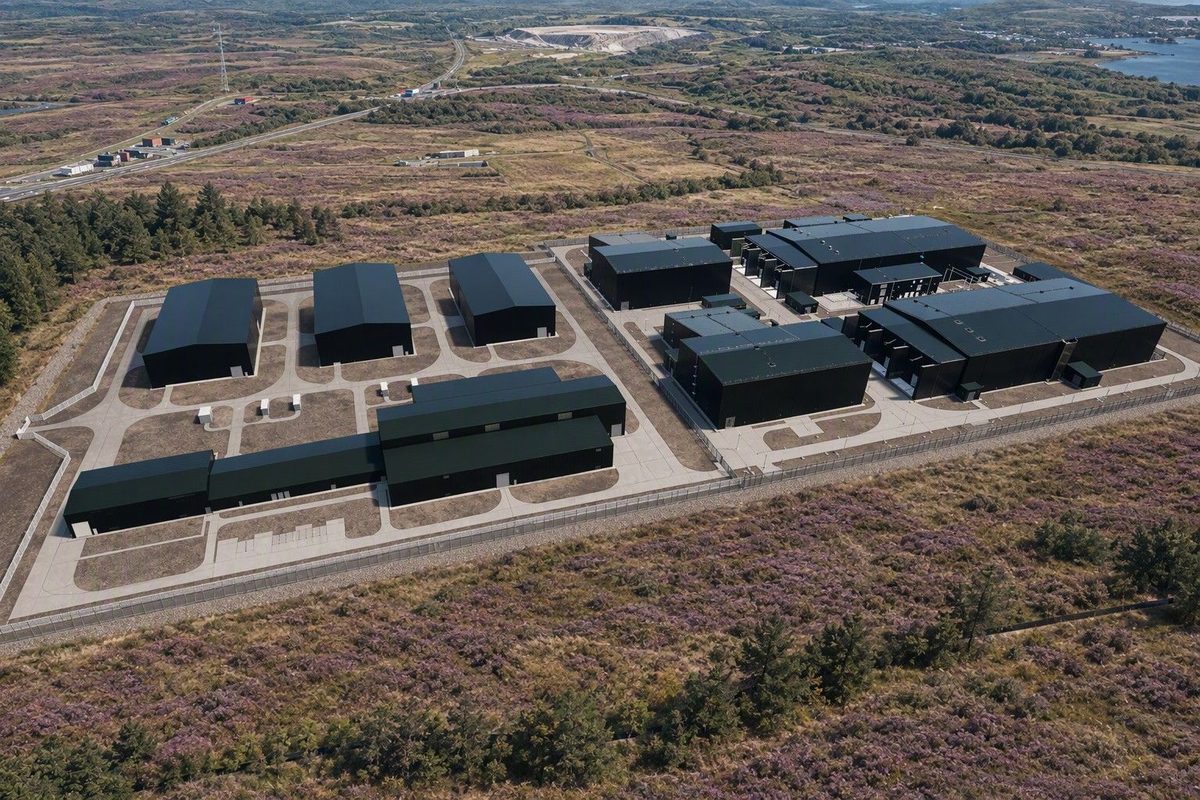
The Western Isles' electricity grid has been full for two decades. No new wind farm could connect to it, so the islands' best renewable resource sat stranded. On 6 November 2026, work began on the Lewis Hub near Stornoway, the converter station that will link the islands to the British mainland grid for the first time.

The link can carry up to 1.8 gigawatts, roughly three times the capacity anyone on Lewis had asked for. Whether that capacity fills depends on wind farms that have not yet been built, and on one that the local council has already rejected.

Why it matters

The cable turns Western Isles wind into exportable power, but only if enough wind farms get built to fill it.

Questions about this story

Free account needed to ask — your question is kept and asked for you right after sign-up. Answers are public.

No questions yet — be the first to ask.

Key Indicators

1.8 GW
Link capacity
Maximum renewable generation the Western Isles connection can export to the GB grid.
81 km
Subsea cable length
HVDC cable from Arnish Point, Stornoway to Dundonnell on the mainland.
80 km
Onshore cable length
Underground HVDC route from Dundonnell to a converter station near Beauly.
~100
New homes funded
Housing near Stornoway built for construction workers, then passed to the community.
£1.06m
Community benefit fund
Total community funding available under UK Government transmission guidance.

Voices

Curated perspectives — historical figures and your fellow readers.

Sign up to generate historical perspectives on this story.

People Involved

Organizations Involved

Timeline

November 2025 November 2026

5 events Latest: Today
Tap a bar to jump to that date
  1. Groundbreaking ceremony at Lewis Hub

    Today Construction

    Work formally begins on the HVDC converter station and AC substation, with RJ McLeod leading the first package.

  2. Planning board backs first phase, with road caveat

    Planning

    Councillors approve enabling works but remove A859 access work for further investigation after concerns about peat and road stability.

  3. Highland cable route works begin

    Construction

    SSEN starts preparing the onshore route between Dundonnell and Beauly for cable installation.

  4. Early works begin at Lewis Hub

    Construction

    Preliminary on-site work starts, alongside plans for a temporary village to house construction workers.

  5. Comhairle grants planning consent for Lewis Hub

    Planning

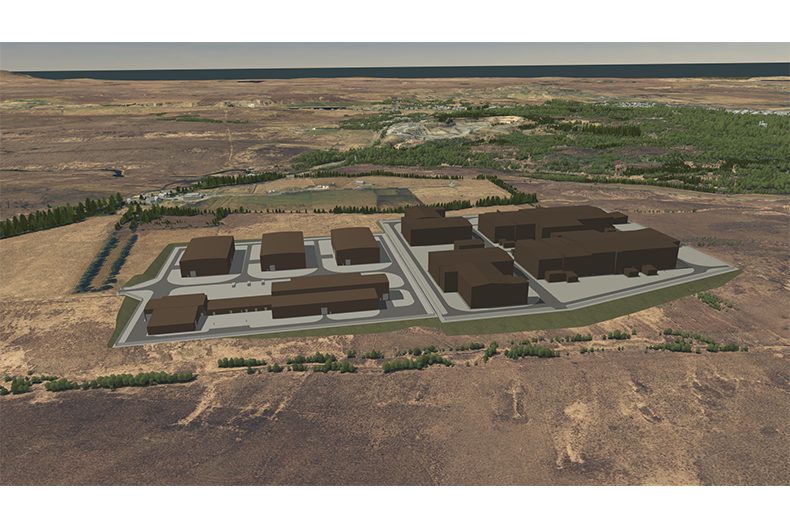
    The Western Isles council approves the converter station and substation at Arnish Moor, after SSEN dropped its original Creed North site.

Scenarios

1

Link energizes by 2030 and exports island wind

Possible Resolves by End of 2030

Discussed by: SSEN Transmission project documents; Ofgem and NESO approvals

Construction proceeds through the 16-month site programme, the subsea cable is laid to Dundonnell, and the mainland converter near Beauly is completed. SSEN Transmission confirms the link is energized and carrying power to the GB grid.

2

Cable runs well below capacity as wind farms stall

Possible Resolves by End of 2029

Discussed by: Stornoway Gazette reporting on the generation pipeline

The 1.8 GW cable is built, but the wind farms meant to fill it do not materialize. The council has already rejected Spiorad na Mara, which would have used almost half the capacity, and community projects sit in a connection queue.

3

Construction slips past its target date

Uncertain Resolves by End of 2028

Discussed by: Local reporting on ground conditions and road access

Peat depth, rock excavation and the unresolved A859 access question slow the build. SSEN Transmission revises its timetable, pushing energization beyond the current target.

Historical Context

2 moments from history that rhyme with this story — and how they unfolded.

2017-2024

Shetland HVDC link (energized 2024)

Shetland's grid could not absorb the output of the Viking wind farm, so a 600 MW high-voltage direct current cable was built to connect the islands to the Scottish mainland. It was the first transmission link of its kind to Shetland.

Then

The cable allowed Viking's output to reach mainland demand instead of being curtailed.

Now

It became the template for connecting Scotland's island wind resources by subsea HVDC rather than local diesel generation.

Why this matters now

The Western Isles link follows the same model at three times the capacity, and faces the same question: whether enough generation gets built to use it.

2005-2015

Beauly–Denny transmission upgrade (2005-2015)

Scottish and Southern Energy proposed replacing the 132 kV line between Beauly and Denny with a 400 kV line to move more power south. The plan drew a public inquiry and years of objection over landscape impact before it was approved.

Then

Construction ran for several years and the upgraded line entered service in 2015.

Now

It became the backbone for moving northern Scottish renewable power to demand centres, and the Western Isles link now connects into the same corridor near Beauly.

Why this matters now

It shows how long major Scottish transmission reinforcements take, and why the Western Isles' two-decade wait for a connection is not unusual.

Sources

(10)