

Pull to refresh
Logo
Measles resurgence in children under 5 reverses decades of global progress

Measles resurgence in children under 5 reverses decades of global progress

Rule Changes

Global Burden of Disease study: cases in children under five jumped 40% between 2019 and 2023 as vaccine coverage stalled

Yesterday: University of Queensland experts warn of falling local rates

Overview

Updated 1 hour ago

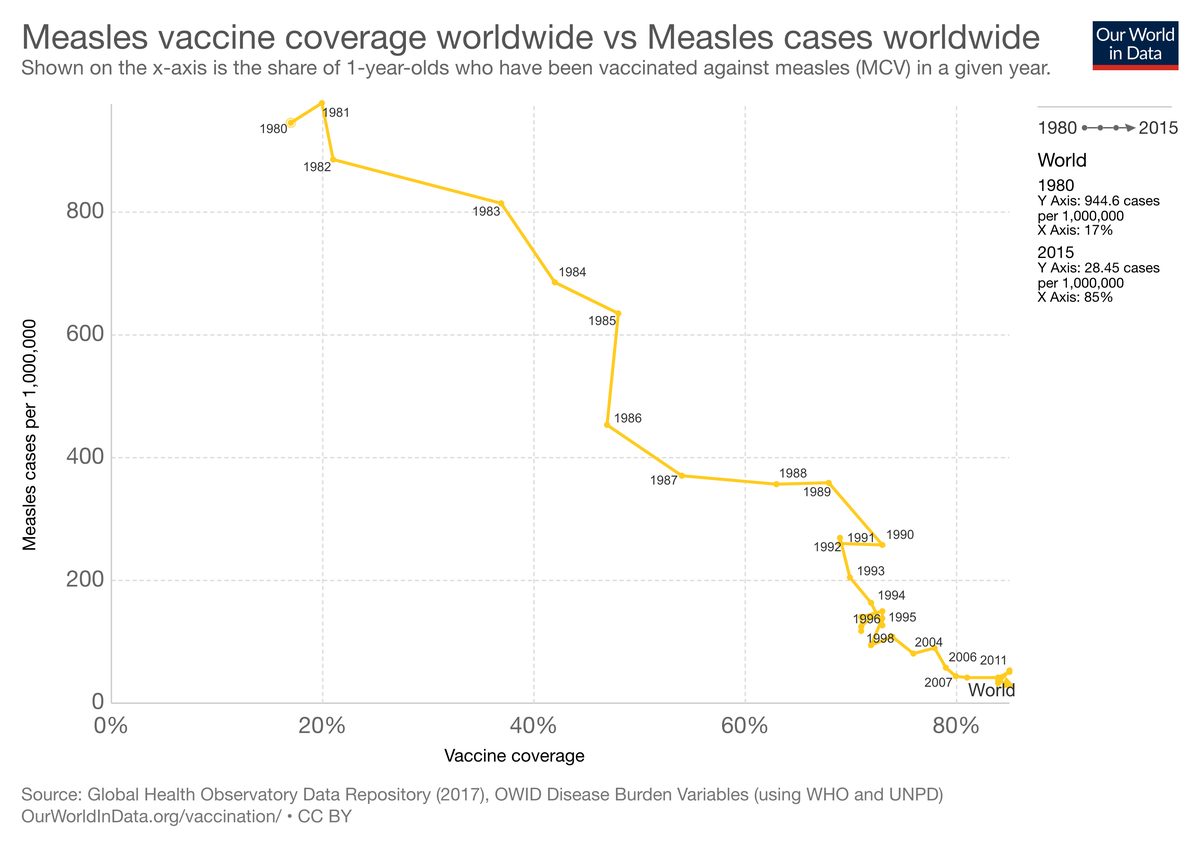
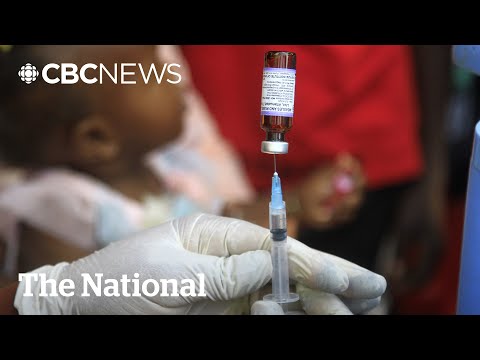
Measles cases in children under five rose 40% worldwide between 2019 and 2023, from 11.1 million to 15.6 million, according to a Global Burden of Disease study published in Nature Medicine. The jump reverses a nearly 80% decline recorded between 1990 and 2019.

Researchers at the University of Queensland tie the rebound to COVID-19 disruptions that halted vaccination programs, drained health-system funding, and slowed follow-up. Global first-dose coverage stalled at 81% in 2023, below the 90% target set by the WHO's Immunization Agenda 2030.

Why it matters

Measles is one of the most contagious viruses known. Every gap in vaccination coverage is a door left open for outbreaks to reach unvaccinated children.

Questions about this story

Free account needed to ask — your question is kept and asked for you right after sign-up. Answers are public.

No questions yet — be the first to ask.

Key Indicators

15.6M
Measles cases in children under 5, 2023
Up from 11.1 million in 2019, a 40% jump (Global Burden of Disease study).
118,000
Estimated deaths in children under 5, 2023
Up 12% from 2019, concentrated in sub-Saharan Africa and South Asia.
81%
Global first-dose measles vaccine coverage, 2023
Down from 83.6% in 2019; the WHO's target is 90%.
92.4%
US kindergarten MMR coverage, 2025-26
Below the 95% herd-immunity threshold; exemptions reached 4.2%.
96%
Australasia second-dose coverage, 2023
Highest of any region; Australia and New Zealand lead the world.

Voices

Curated perspectives — historical figures and your fellow readers.

Ever wondered what historical figures would say about today's headlines?

Sign up to generate historical perspectives on this story.

People Involved

Organizations Involved

Timeline

2019 October 2026

8 events Latest: Yesterday
Tap a bar to jump to that date
  1. University of Queensland experts warn of falling local rates

    Latest Announcement

    UQ releases its findings; Queensland doctors warn hospitals are seeing measles cases and state vaccination rates are the lowest in Australia.

  2. GBD study documents 40% surge in under-5 measles

    Research

    Global Burden of Disease 2023 analysis published in Nature Medicine quantifies the post-COVID resurgence across 204 countries.

  3. US kindergarten MMR coverage falls to 92.4%

    Coverage

    CDC school-year data shows coverage below the 95% threshold needed to stop transmission, with exemptions at 4.2%.

  4. US records 1,523 measles cases, highest since 1992

    Outbreak

    Cases spread across 42 US jurisdictions; 92% were unvaccinated or of unknown status, per the CDC.

  5. WHO and CDC report cases up 20% in a year

    Report

    Agencies estimate 10.3 million global measles cases in 2023 (all ages), up from 8.6 million in 2022, with 107,500 deaths.

  6. Under-5 cases hit 15.6 million, deaths 118,000

    Surge

    The GBD 2023 study estimates cases rose 40% and deaths 12% from 2019, concentrated in sub-Saharan Africa and South Asia.

  7. COVID-19 halts routine immunization worldwide

    Disruption

    Lockdowns and health-system strain suspend vaccination programs; measles vaccine coverage begins sliding.

  8. Pre-pandemic low: 11.1 million under-5 cases

    Baseline

    Global measles cases in children under five reach an estimated 11.1 million, down about 80% from 1990.

Scenarios

1

Catch-up campaigns stall the resurgence

Possible Resolves by Nov 30, 2027

Discussed by: WHO and CDC officials; GBD study researchers

Countries restore routine immunization, run catch-up campaigns targeting children who missed doses, and MCV1 coverage climbs toward 85-90% by 2026-27. Under-5 cases fall year over year. The key test is whether funding and political attention hold in low-income countries, especially sub-Saharan Africa and South Asia.

2

High-income countries lose measles elimination

Possible Resolves by Nov 30, 2028

Discussed by: CDC; infectious disease physicians such as Paul Griffin

US kindergarten coverage at 92.4% and rising exemptions leave immunity gaps that sustained transmission can exploit. US outbreaks in 2025 already hit a decades-high. If coverage stays below 95%, measles regains an endemic foothold and the US loses the elimination status it held since 2000.

3

Coverage plateaus and measles persists at elevated levels

Likely Resolves by Nov 30, 2027

Discussed by: Global health researchers

Coverage stalls below both the 90% IA2030 target and the 95% herd-immunity threshold. Measles continues circulating at a million-plus cases a year, concentrated in sub-Saharan Africa and South Asia, with intermittent outbreaks elsewhere. The surge neither collapses nor reverses.

Historical Context

3 moments from history that rhyme with this story — and how they unfolded.

1989-1991

US measles resurgence (1989-1991)

The US recorded about 55,000 measles cases and 123 deaths, concentrated among unvaccinated preschool children in poor urban areas. Coverage had stagnated near 60-80% because vaccination cost money many families could not pay.

Then

The outbreak prompted the federal Vaccines for Children program in 1993, which provided free vaccines to uninsured children. Coverage climbed above 90% within years.

Now

Measles was declared eliminated in the US in 2000, a status now under pressure again.

Why this matters now

It shows coverage gaps in a wealthy country become large outbreaks, and that targeted federal policy can close them.

October-December 2019

Samoa measles epidemic (2019)

In Samoa, vaccination coverage collapsed to about 31% after two nurses mixed the vaccine with anesthetic, killing two infants and triggering an intense antivaccination backlash. Within months, measles swept the country: over 5,700 cases and 83 deaths in a population of about 200,000.

Then

The epidemic killed more than one in 200 Samoans infected, mostly infants, and forced a government-led emergency vaccination campaign.

Now

It became a global case study in how misinformation can crater immunization coverage fast.

Why this matters now

Shows misinformation can undo years of vaccination progress in a matter of months.

2016-2018

Americas lose measles elimination status (2016-2018)

In 2016 the WHO declared the Americas the first region to eliminate measles. Within two years, large outbreaks in Venezuela and Brazil, fueled by collapsing health systems and falling vaccine coverage, cost the region its status.

Then

The Americas became re-endemic; Venezuela's economic crisis had disrupted its vaccination program.

Now

Elimination proved fragile, a lesson now playing out globally as cases rebound after 2019.

Why this matters now

Shows how quickly verified elimination can be lost when health systems break.

Sources

(11)