
Pull to refresh
Logo
Miami approves a 5-acre Midtown Park district on a former Walmart site

Miami approves a 5-acre Midtown Park district on a former Walmart site

Built World

Up to 924 homes, two acres of parks and a padel club are cleared for North Miami Avenue. Construction has not started.

Overview

Updated Yesterday

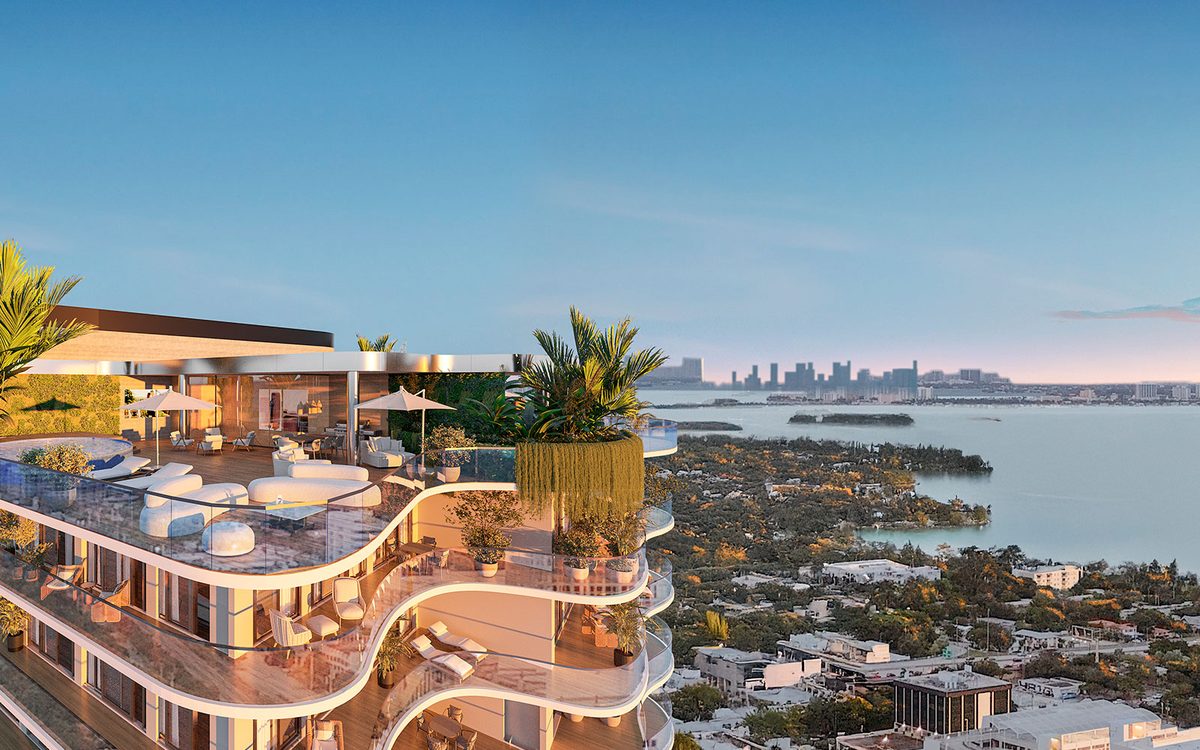
The five acres at 3055 North Miami Avenue have been a hole in Midtown for most of a decade: first a rejected Walmart site, then an empty lot with a padel pop-up on it. On Nov. 19, 2026, the Miami City Commission approved a special permit for Midtown Park, a $2 billion district of up to 924 homes, offices, shops and two acres of parks.

The vote settles who controls the land and what can be built there. It does not build anything. Rosso Development and Midtown Development still need building permits, and neither has announced a groundbreaking date for the first tower, a 28-story condo building planned for 2029 completion.

Why it matters

Midtown's last large empty lot now has approval for 924 homes. Whether towers rise there shows how fast Miami can add housing.

Questions about this story

Free account needed to ask — your question is kept and asked for you right after sign-up. Answers are public.

No questions yet — be the first to ask.

Key Indicators

$2B
Stated project cost
The developers' figure for the full five-acre district.
924
Homes allowed under the permit
Spread across four towers in two phases.
5 acres
Site size
Bounded by North Miami Avenue and Northeast 29th Street.
2 acres
Parks and open space
The feature the developer says residents asked for most.
280
Units in the first tower
Midtown Park Residences by Proper, 28 stories, targeted for 2029.

Voices

Curated perspectives — historical figures and your fellow readers.

Sign up to generate historical perspectives on this story.

People Involved

Organizations Involved

Timeline

2013 November 2026

5 events Latest: Yesterday
Tap a bar to jump to that date
  1. Developers confirm approval, enter permitting

    Latest Statement

    Rosso and Vadia's team said the project is moving toward vertical construction.

  2. Commission approves the special permit

    Approval

    Resolution R-26-0552 passed with a community benefits agreement attached.

  3. Commission defers the Midtown Park permit

    Setback

    Members deferred indefinitely and set the item for Nov. 19.

  4. Walmart sells the site to Midtown Development

    Transaction

    Price was $26.4 million for the five acres.

  5. City approves a Walmart-anchored building

    Entitlement

    That approval later expired, city planners found.

Scenarios

1

First tower breaks ground in 2027 as planned

Likely Resolves by End of 2027

Discussed by: Rosso Development, which said construction starts next year and completion is targeted for 2029

The developers pull building permits for the 28-story tower and start foundation work within a year of approval. This is the timeline Rosso has described publicly, and it depends on permits rather than on any further commission vote, which the project already has.

2

First tower opens for occupancy by 2029

Possible Resolves by End of 2029

Discussed by: Rosso Development's stated completion target, reported by local outlets

The condo tower reaches completion and buyers can move in by the end of 2029. Rosso has acknowledged that master plans sometimes fizzle when markets shift, but he estimates four to five years for the whole buildout.

3

Later phases shrink below the approved 924 homes

Unlikely Resolves by End of 2031

Discussed by: No party has said so publicly; the risk sits in the gap between a phased approval and a first tower that carries the rest

The permit covers four towers in two phases, and only the first 280 units are tied to a named brand and a 2029 date. If the condo market softens, the developers could return to the city with an amended plan that builds fewer homes on the site.

Historical Context

3 moments from history that rhyme with this story — and how they unfolded.

2013–2019

Midtown's Walmart fight (2013–2019)

Walmart planned a supercenter on the North Miami Avenue lot and won a 2013 approval for a building that included a store. Neighborhood opposition killed the idea, and Walmart sold the land to Alex Vadia's Midtown Development for $26.4 million in 2019. The lot stayed empty, and the 2013 approval eventually lapsed.

Then

The parcel sat vacant while Midtown filled in around it with apartments and shops.

Now

The site's second attempt became a residential district rather than a big-box store, with parks written into the plan.

Why this matters now

The current proposal is the same piece of land, re-planned around housing and public space after the retail version failed.

2012–2019

Hudson Yards, New York (opened 2019)

New York built a mixed-use district on a platform over the West Side rail yards, delivering towers, offices, shops and a public square in stages over roughly seven years of construction. The first buildings carried the credibility, and later phases followed as demand held.

Then

Construction took most of a decade and drew criticism for cost and for how enclosed the public space felt.

Now

It became the reference model for large phased districts built over constrained urban land.

Why this matters now

Midtown Park uses the same structure: one flagship tower first, three more later, with public space as the selling point.

1830s

Gramercy Park, Manhattan (1830s)

A private square was laid out in Manhattan with surrounding houses granted access to a locked park. It created a durable neighborhood identity built on a small amount of shared open space rather than on the buildings themselves.

Then

The park gave an otherwise ordinary grid of streets a center.

Now

It became a template for using a small park to anchor property values, at the cost of excluding everyone without a key.

Why this matters now

The Midtown Park developers cite it as their design inspiration; the two-acre park is the part of the plan meant to define the district.

Sources

(8)