
Pull to refresh
Logo
MTA approves sale of Crown Heights parking lot for 375-unit housing project

MTA approves sale of Crown Heights parking lot for 375-unit housing project

Built World New York, NY local

The $47 million deal is the first public site in Brooklyn's Atlantic Avenue rezoning to go under contract.

Overview

Updated 30 minutes ago

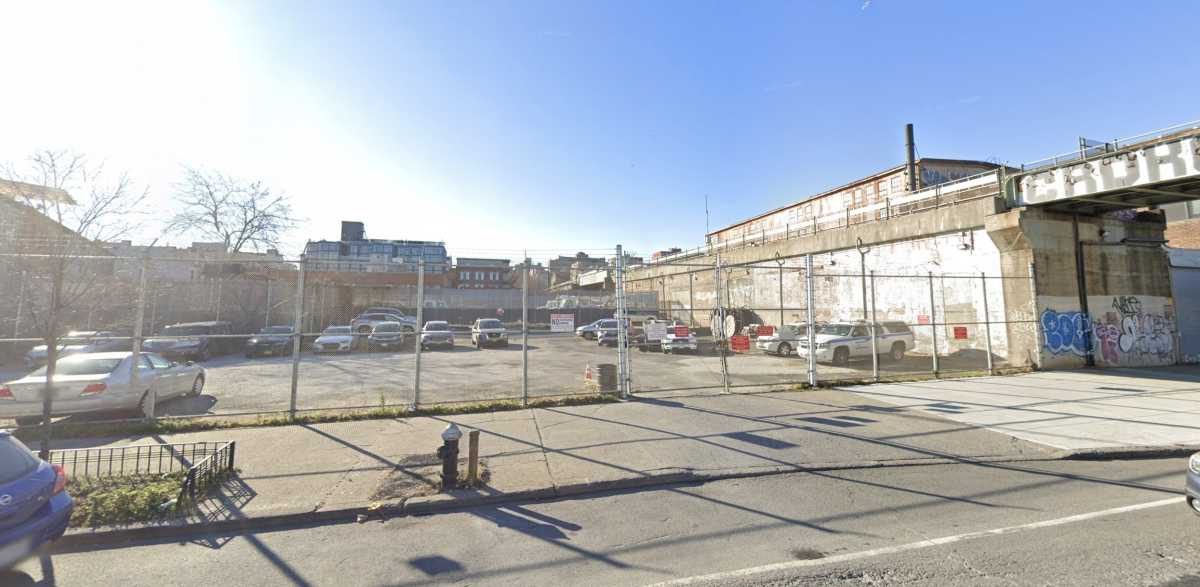
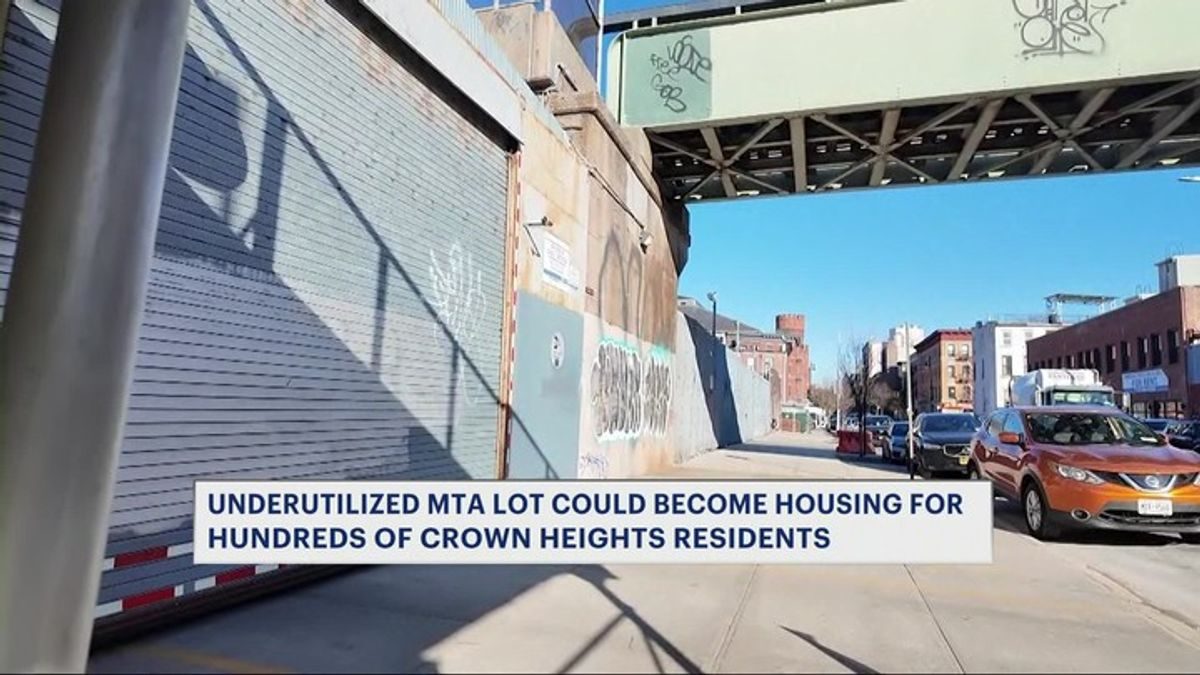
The Metropolitan Transportation Authority (MTA) has agreed to sell a Crown Heights parking lot to a private developer for $47 million. The buyer, EMP Capital Group LLC, plans a 375-unit apartment building at 1119 Pacific St., with at least 90 units permanently affordable.

The MTA board approved the deal on Nov. 18. It is the first publicly owned site inside the Atlantic Avenue Mixed-Use Plan, a 2025 rezoning of 21 industrial blocks in Crown Heights and Bedford-Stuyvesant, to go under contract. The $47 million goes to the MTA's capital program; the developer also plans to fund a new Franklin Avenue station entrance, pending city approval.

Why it matters

New York wants to build housing on publicly owned transit land. This Crown Heights deal is the first test of whether that model works.

Last Monday's email for New York, NY

Sent Nov 23. It carried:

Get next Monday's: one short email a week. Free. Unsubscribe in one click.

Questions about this story

Free account needed to ask — your question is kept and asked for you right after sign-up. Answers are public.

No questions yet — be the first to ask.

Key Indicators

375
Residential units planned
The building at 1119 Pacific St. would add 375 apartments to Crown Heights.
90
Permanently affordable units
At least 90 units are required under the city's Mandatory Inclusionary Housing program.
$47M
Sale price to MTA
Proceeds go to the MTA's capital program for repairs and upgrades.
4,600
Homes allowed under Atlantic Avenue rezoning
The 2025 rezoning of 21 industrial blocks opened the area to roughly 4,600 homes.
8,000 sq ft
Commercial space
The project includes about 8,000 square feet of ground-floor commercial space.

Voices

Curated perspectives — historical figures and your fellow readers.

Sign up to generate historical perspectives on this story.

People Involved

Organizations Involved

Timeline

May 2025 November 2026

4 events Latest: Today
Tap a bar to jump to that date
  1. Deal terms detailed: 375 units, 90 affordable

    Today Report

    The project is set to include 375 apartments, at least 90 permanently affordable units, about 8,000 square feet of commercial space, and a funded staircase at the Franklin Avenue station pending city approval.

  2. MTA board approves $47M sale to EMP Capital Group

    Deal

    The MTA board approves selling 1119 Pacific St. and air rights over the adjacent shuttle right-of-way to EMP Capital Group for $47 million. The air rights let the developer build more than the lot alone allows.

  3. MTA seeks developers for Pacific Street lot

    Procurement

    The MTA issues a request for proposals to redevelop the 1119 Pacific St. lot, part of a state push to identify underused public land for housing.

  4. Brooklyn rezoning opens 21 blocks to housing

    Policy

    The New York City Council approves the Atlantic Avenue Mixed-Use Plan, rezoning 21 industrial blocks in Crown Heights and Bed-Stuy for buildings up to 18 stories and roughly 4,600 homes.

Scenarios

1

Developer closes and files building permit for 375 units

Likely Resolves by End of 2027

Discussed by: MTA and developer statements; Brooklyn Paper

The MTA board has approved the transaction, but the sale must still close and the developer must file plans with the NYC Department of Buildings. EMP Capital Group has not announced a construction timeline. A filed permit would mark the project's move from approval to building.

2

City approves new Franklin Avenue station entrance

Possible Resolves by Q2 2027

Discussed by: MTA and governor's office statements

The developer plans to fund a new staircase entrance at the Franklin Avenue C and S station under the Zoning for Accessibility program, which trades transit improvements for extra building density. The city must approve it. Approval would add an entrance the station does not currently have at that corner.

3

Sale collapses and the lot stays a parking lot

Unlikely Resolves by End of 2027

Discussed by: Not projected by officials; a standard risk in publicly brokered land deals

Board approval does not guarantee a closing. If financing or city approvals fail, the MTA could put the parcel back on the market. The site is currently a parking lot, so the fallback is no change.

Historical Context

3 moments from history that rhyme with this story — and how they unfolded.

1980s–present

Hong Kong's MTR rail-plus-property model (1980s–present)

Hong Kong gave its subway operator, MTR Corporation, development rights over station sites and depots. MTR sold or partnered on those sites and used the proceeds to fund rail construction, tying housing and transit into one business.

Then

MTR became one of the few transit systems in the world to report consistent profits.

Now

The model is widely cited as a template for transit-oriented development, and other cities have studied it.

Why this matters now

The MTA is running a smaller version: selling land and air rights beside its infrastructure to raise money for its capital program.

2003–present

Atlantic Yards / Pacific Park, Brooklyn (2003–present)

New York State approved a 16-tower development over the MTA's Vanderbilt Yard rail yard in Brooklyn, promising thousands of apartments and a basketball arena. Lawsuits and the 2008 financial crisis delayed construction for years.

Then

The Barclays Center opened in 2012; the first residential tower opened in 2014.

Now

The project became a benchmark for how long publicly backed Brooklyn megaprojects take to deliver affordable housing.

Why this matters now

1119 Pacific St. is a much smaller version of the same idea: public land and air rights traded for housing and cash.

2016

New York's Mandatory Inclusionary Housing (2016)

New York City adopted a rule requiring affordable units in new residential buildings within areas rezoned for higher density. It replaced the city's earlier voluntary inclusionary zoning program.

Then

The rule became the main tool for producing affordable units in rezoned neighborhoods.

Now

Most large rezonings since then include mandatory affordable units.

Why this matters now

The at least 90 affordable units at 1119 Pacific St. come from this requirement, triggered by the AAMUP rezoning.

Sources

(5)