
Pull to refresh
Logo
Boston zoning board approves six townhomes on Truman Parkway

Boston zoning board approves six townhomes on Truman Parkway

Built World Boston, MA local

Developer combines three lots city assessors called unusable into a half-acre parcel in Hyde Park.

Overview

Updated Yesterday

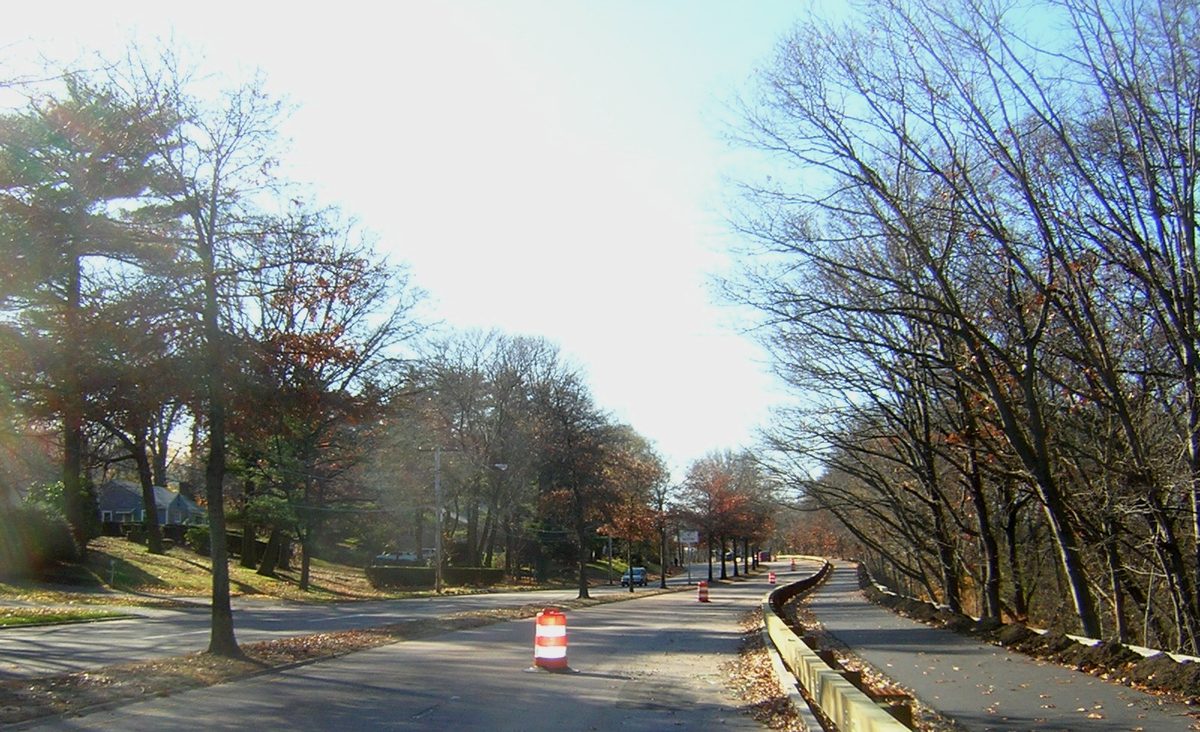
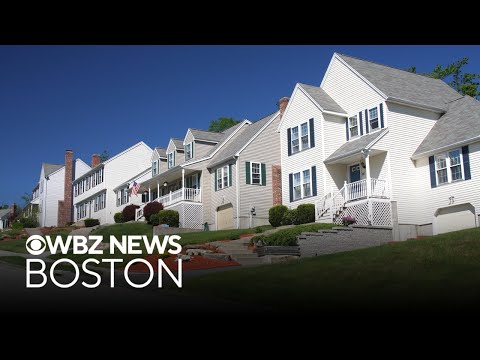
On November 10, 2026, Boston's Zoning Board of Appeal approved a six-unit townhouse project at 500-510 Truman Parkway in Hyde Park. Developer Wayne Evans bought three lots the city had deemed unusable and combined them into a half-acre parcel.

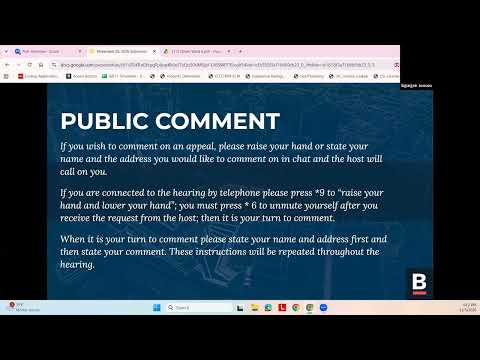
The approval moves the project to design review, where the developer's attorney said he is open to reducing or eliminating six guest parking spaces to create more open space. Neighbors have raised concerns about a retaining wall and parking, but the board's decision lets the project proceed.

Why it matters

If Boston can build on lots it once called unusable, other cities may follow—if design review resolves neighborhood concerns.

Last Monday's email for Boston, MA

Sent Nov 9. It carried:

Get next Monday's: one short email a week. Free. Unsubscribe in one click.

Questions about this story

Free account needed to ask — your question is kept and asked for you right after sign-up. Answers are public.

No questions yet — be the first to ask.

Key Indicators

6
Townhomes approved
Three-story units with three bedrooms each.
3
Lots combined
City assessors had deemed the lots unusable.
2
Parking spaces per unit
Plus six guest spaces, which may be reduced in design review.

Voices

Curated perspectives — historical figures and your fellow readers.

Sign up to generate historical perspectives on this story.

People Involved

Organizations Involved

Timeline

1 event Latest: 2 days ago
  1. Zoning Board approves six townhomes

    Latest Zoning decision

    The Boston Zoning Board of Appeal approved a three-story, six-unit townhouse project at 500-510 Truman Parkway in Hyde Park.

Scenarios

1

Project breaks ground by mid-2027

Likely Resolves by Q2 2027

Discussed by: Ryan Spitz, attorney for the developer

The developer works with the Boston Planning Department to eliminate or relocate the six guest parking spaces, increasing open space. The project then obtains building permits and begins construction.

2

Neighbors file lawsuit to block project

Possible Resolves by Q1 2027

Discussed by: Neighborhood concerns about retaining wall and parking raised at the hearing

A neighborhood group or individual files an appeal in Suffolk Superior Court under the Boston zoning appeal process, delaying construction.

3

Design review requires changes that make project infeasible

Unlikely Resolves by End of 2027

Discussed by: Planning department design review could require more open space or fewer units

The Boston Planning Department requires significant design changes, such as reducing unit count or eliminating parking entirely, which the developer deems unworkable. The project is abandoned.

Historical Context

2 moments from history that rhyme with this story — and how they unfolded.

2021

California Senate Bill 9 (2021)

California legalized duplexes and lot splits on single-family lots, aiming to add housing in existing neighborhoods. The law required cities to approve certain projects ministerially, bypassing discretionary review.

Then

Some cities resisted with local ordinances, and uptake was slow in the first year.

Now

The law set a precedent for state-level zoning reform, but implementation barriers remain.

Why this matters now

Like the Truman Parkway project, SB 9 tests whether small-scale infill can overcome local opposition and parking concerns.

2018

Minneapolis 2040 Comprehensive Plan (2018)

Minneapolis became the first major U.S. city to end single-family zoning citywide, allowing triplexes on all residential lots. The plan aimed to increase housing supply and address segregation.

Then

The plan faced a lawsuit from neighborhood groups, which was eventually dismissed.

Now

The reform has slowly increased housing production, but the city still faces affordability challenges.

Why this matters now

Boston's approval of a six-unit project on three lots echoes Minneapolis's effort to allow more housing in existing neighborhoods.

Sources

(1)