
Pull to refresh
Logo
Microsoft buys 600 acres in Iowa town of 1,300 for data center campus

Microsoft buys 600 acres in Iowa town of 1,300 for data center campus

Built World

The sale closed before residents were told; the council still must approve a development agreement

Today: Deal and meeting draw regional and trade coverage

Overview

Updated 1 hour ago

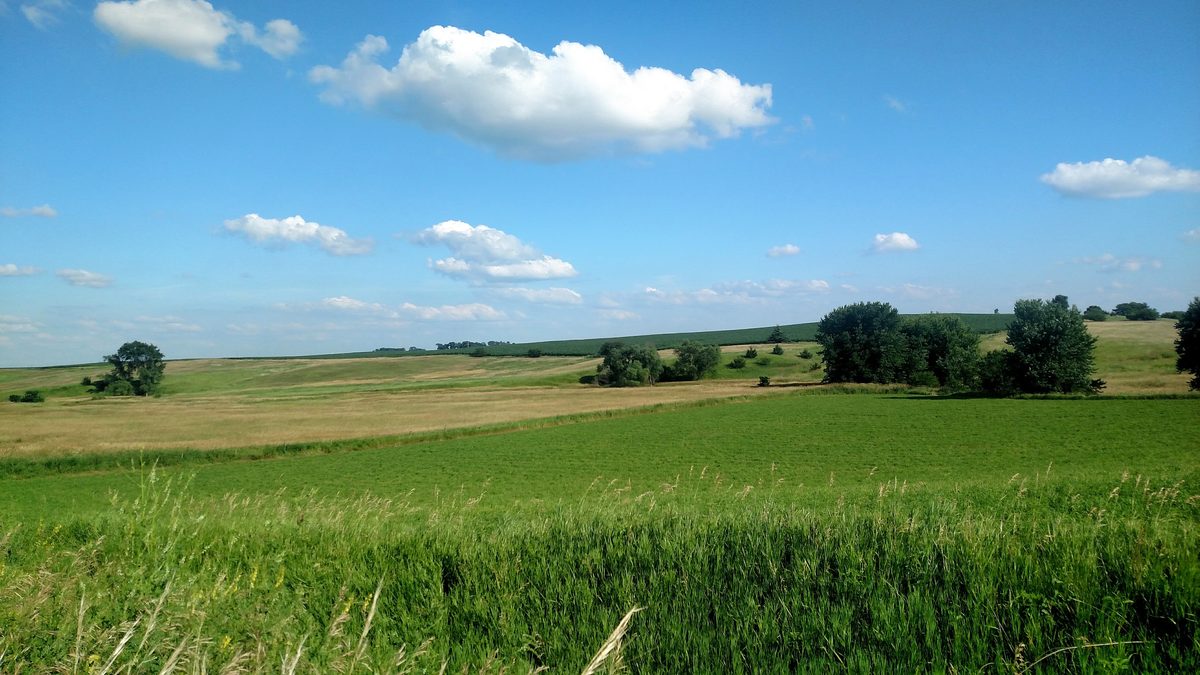
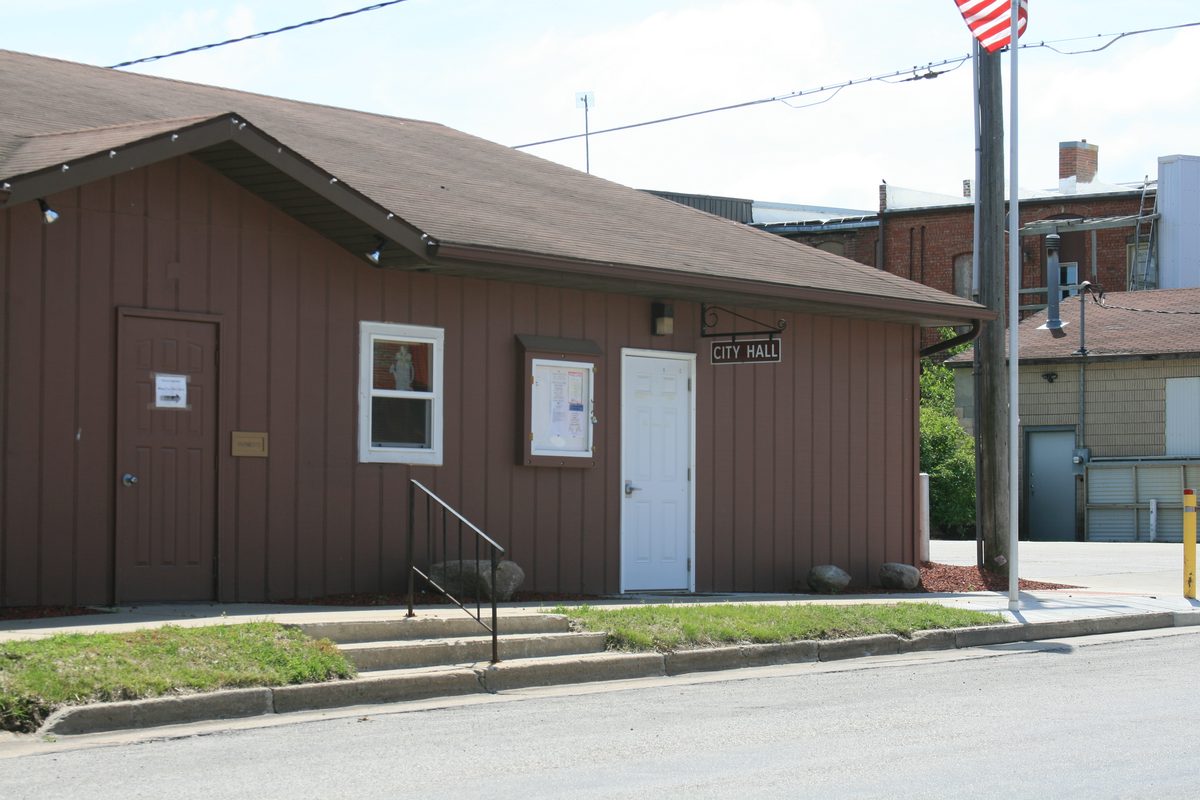
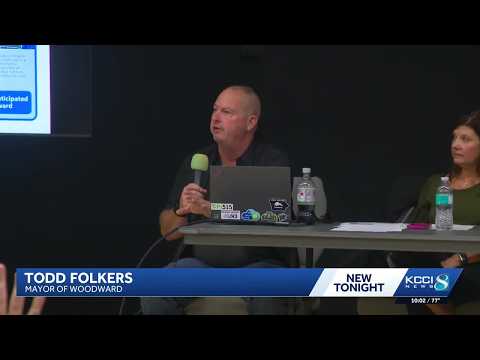
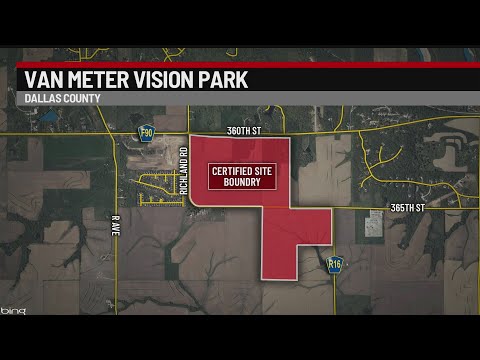
Microsoft closed on 600 acres of farmland in Woodward, Iowa, on October 8. Residents of the town of 1,300 learned about it four days later, at a packed meeting where the mayor told them they get no vote — and a 53-year-old man was dragged out by police for asking.

The project is years from breaking ground; design alone will take two to three years. But it's already testing how a small Dallas County town weighs a tax windfall against a development it never approved, and what a tech giant owes a community it just moved into.

Why it matters

A 600-acre data center could multiply a town of 1,300's tax base while testing who controls water, power, and rural farmland in Iowa.

Questions about this story

Free account needed to ask — your question is kept and asked for you right after sign-up. Answers are public.

No questions yet — be the first to ask.

Key Indicators

600
Acres purchased by Microsoft
The sale closed October 8 in the Woodward Eco Business Park.
~$37.4M
Estimated land value
Based on $62,400 an acre for other Eco Business Park parcels.
2–3 years
Design phase before construction
Microsoft says building design alone will take two to three years.
300+
Residents at the October 12 meeting
The town's population is roughly 1,300.

Voices

Curated perspectives — historical figures and your fellow readers.

Ever wondered what historical figures would say about today's headlines?

Sign up to generate historical perspectives on this story.

People Involved

Organizations Involved

Timeline

2018 October 2026

5 events Latest: Today
Tap a bar to jump to that date
  1. Deal and meeting draw regional and trade coverage

    Today Reporting

    Word of the acquisition and the tense town hall spreads across Iowa and industry outlets.

  2. Packed meeting; resident removed by police

    Public Meeting

    About 300 residents attend; the mayor says there is no voter option, and Troy Bellon is dragged out.

  3. Microsoft closes on the 600-acre purchase

    Transaction

    Microsoft buys the land in the Woodward Eco Business Park; the value is not disclosed.

  4. Council reclasses farmland as Eco Business Park District

    Regulatory

    Woodward rezones the 600-acre parcel from agricultural use, waiving additional ordinance readings.

  5. Eco Business Park earns certified-site status

    Development

    The park on Woodward's south side is certified as a ready-to-build industrial site.

Scenarios

1

Woodward council approves the Microsoft development agreement

Likely Resolves by Q2 2027

Discussed by: The Perry News and Des Moines Register, which covered the meeting and the council's next steps

Microsoft says it will pay for all its own infrastructure, skip property tax breaks, and add to the tax base. The council needs only a development agreement and site plan approval. Mayor Folkerts has publicly framed the data center as a major tax gain for the town. With the land already purchased, the default path is approval, followed by two to three years of design work.

2

Council stalls or conditions the project over transparency concerns

Possible Resolves by Q2 2027

Discussed by: Woodward residents and government-transparency advocates who questioned the closed process

The council canceled its regular October meeting, held the October 12 session only for Woodward residents, and checked IDs at the door. Residents shouted that the city works for the people, and one man was removed by police. If that anger reaches council members, they could delay the agreement, demand more public hearings, or attach conditions such as a referendum or tighter environmental reviews.

3

Microsoft scales back, waits, or moves the Woodward campus

Possible Resolves by End of 2028

Discussed by: Data center industry analysts noting the project's early stage

Microsoft owns the land but has not started design. The company has flexibility to hold the parcel, develop only part of it, or walk away if site constraints such as power transmission or water access get complicated. It has bought and later reassessed other Iowa sites. A slower path would push groundbreaking years out, leaving the town with empty farmland and interest but no construction.

Historical Context

3 moments from history that rhyme with this story — and how they unfolded.

2005–2006

Google's The Dalles data center (2005)

Google quietly bought land in The Dalles, Oregon, a Columbia River town of about 12,000, for what became one of the first large data center campuses. The city offered property tax breaks and access to cheap hydropower.

Then

The Dalles became a server hub and a test case for how data centers reshape small-town budgets.

Now

It set the template: a tech giant buys land quietly, negotiates incentives, and brings hundreds of construction jobs plus a few permanent ones.

Why this matters now

Woodward is replaying the same script — land bought before residents learn, a certified park, and promises of tax gains — but with a more skeptical crowd demanding a vote.

2017

Apple's Waukee data center (2017)

Apple announced a large data center campus in Waukee, Iowa — also in Dallas County, roughly 20 miles from Woodward — backed by local tax incentives. Waukee, then a rapidly growing Des Moines suburb, competed hard for the project.

Then

The announcement put central Iowa firmly on the map for big tech infrastructure.

Now

It showed how the region recruits data centers and what incentives small cities offer to win them.

Why this matters now

Waukee is the same county, the same kind of deal, and the benchmark against which Woodward residents will judge whether this project helps or hurts them.

2010s–2020s

Loudoun County, Virginia — 'Data Center Alley' (2010s–2020s)

Loudoun County, Virginia, grew from horse farms into the world's densest concentration of data centers. As power, water, and land prices climbed, residents and county supervisors pushed back, with some areas pausing new approvals.

Then

Neighboring counties moved to slow or block new campuses over grid and water concerns.

Now

The cycle — early enthusiasm, then disputes over power, water, and sprawl — became the national pattern for data center growth.

Why this matters now

Woodward's closed-loop cooling and wholesale electricity promises are aimed at avoiding exactly the complaints that stalled Loudoun's later data center boom.

Sources

(7)