




Pull to refresh
Logo
Missouri governor orders 30-day data limit on Flock license plate cameras

Missouri governor orders 30-day data limit on Flock license plate cameras

Rule Changes

Executive Order 26-18 also bans facial recognition integration and vendor data sales, with permanent legislation pending

Today: Columbia PD confirms it already complies with most rules

Overview

Updated 1 hour ago

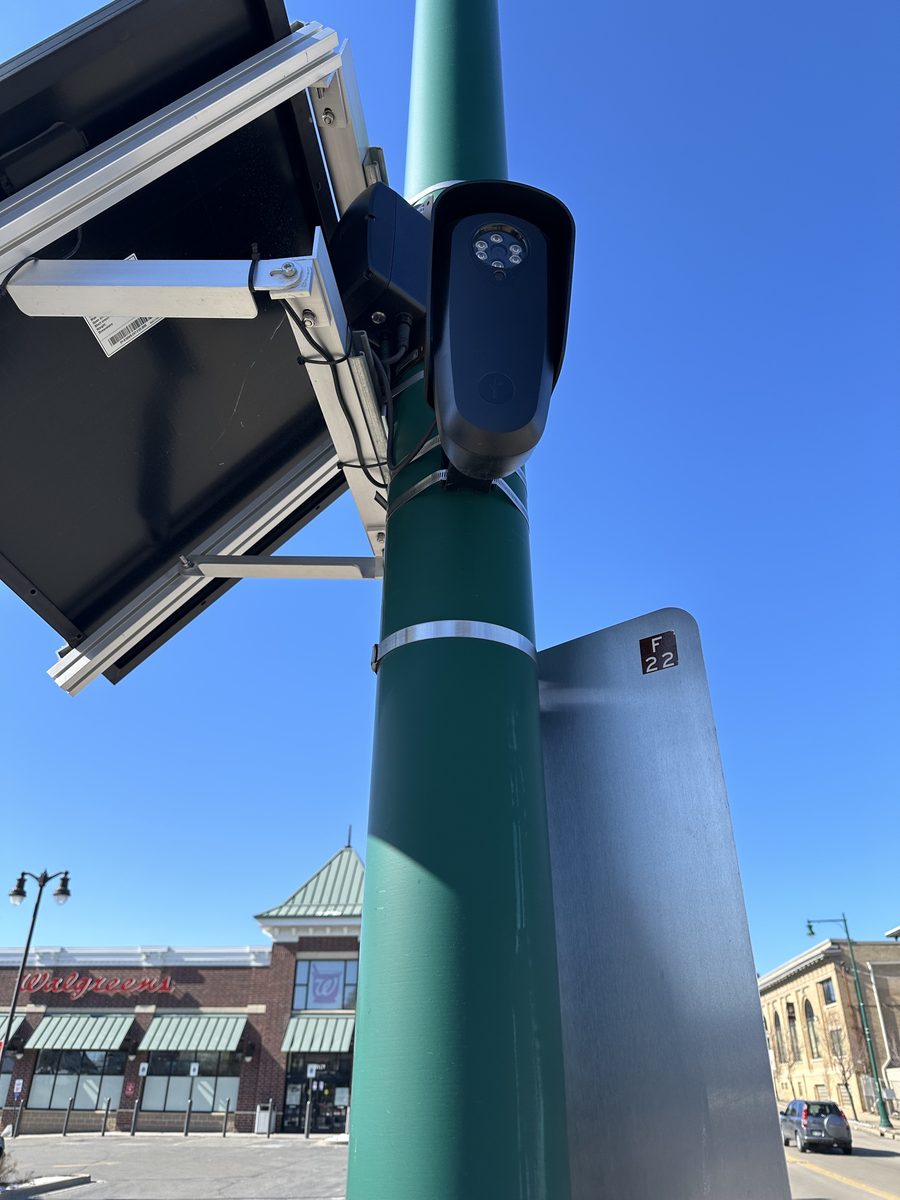
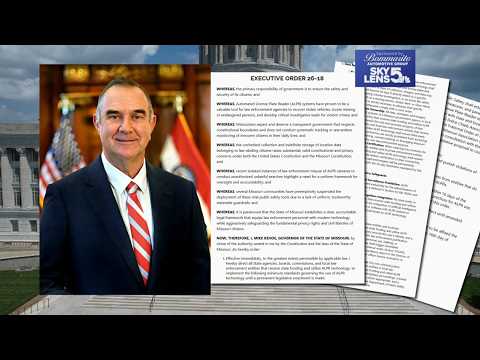
Missouri Gov. Mike Kehoe signed an executive order September 16 capping how long police can keep license plate reader data at 30 days and banning facial recognition integration. The restrictions hit Flock Safety, the camera vendor that dominates the market, and apply to every state-funded Missouri police agency.

The governor called the unchecked collection of location data a constitutional concern: a permanent record of where law-abiding Missourians go, who they visit, and how they live. The order is temporary, so the state legislature must write permanent law, and it makes Missouri the first state to impose statewide automated license plate reader (ALPR) guardrails by executive action.

Why it matters

If Missouri's rules hold and spread, police lose the ability to build long-term location records on innocent drivers, and Flock's data business takes a hit.

Questions about this story

Free account needed to ask — your question is kept and asked for you right after sign-up. Answers are public.

No questions yet — be the first to ask.

Key Indicators

30 days
License plate data retention limit
Captured images must be permanently deleted within 30 days unless tied to an active investigation or life-safety emergency.
120,000
Registered Flock cameras nationwide
Sen. Josh Hawley cited this figure in calling for federal privacy protections around ALPR networks.
10 days
Deadline for state ALPR guidance
Missouri's Department of Public Safety must publish best-practice guidance on ALPR use within 10 days of the order.

Voices

Curated perspectives — historical figures and your fellow readers.

Ever wondered what historical figures would say about today's headlines?

Sign up to generate historical perspectives on this story.

People Involved

Organizations Involved

Timeline

4 events Latest: Today
Tap a bar to jump to that date
  1. Columbia PD confirms it already complies with most rules

    Today Statement

    Columbia Police Department said its ALPR policies already meet the order's standards, except for a newly required vendor certification.

  2. Hawley calls for federal ALPR privacy protections

    Statement

    Sen. Josh Hawley backed state-level restrictions and argued citizens have a right not to be tracked outside law enforcement contexts.

  3. Kehoe signs Executive Order 26-18 restricting ALPR use

    Rule Change

    Governor signs order capping ALPR data retention at 30 days, banning vendor data sales and facial recognition integration, and requiring misuse reporting.

Scenarios

1

Missouri makes ALPR guardrails permanent law

Possible Resolves by May 30, 2027

Discussed by: Governor Kehoe's office; Missouri Association of Prosecuting Attorneys; Sen. Josh Hawley

The order directs the Department of Public Safety to draft a legislative proposal with the 30-day retention cap, vendor data-sale ban, and facial recognition prohibition intact. If the General Assembly passes it in the 2027 session, the rules outlast the executive order, which could otherwise be reversed by a future governor.

2

New data-misuse prosecutions test the reporting rules

Uncertain Resolves by Sep 16, 2027

Discussed by: The order's own enforcement provisions; September 2026 New York arrest as precedent

The order mandates criminal referral and DPS notification for any misuse of ALPR data, with officer license revocation as a possible penalty. A public prosecution or license revocation in Missouri within the first year would signal that the safeguards are enforceable, not symbolic.

3

Federal ALPR privacy bill advances

Unlikely Resolves by Q2 2027

Discussed by: Sen. Josh Hawley, who cited Flock's 120,000-camera national footprint

Hawley used the Missouri order to argue for federal rules, noting the scale of Flock's network across states. A federal bill standardizing retention limits or banning facial recognition integration would extend Missouri's approach nationwide and override the patchwork of state laws.

Historical Context

3 moments from history that rhyme with this story — and how they unfolded.

June 2013

Maine's ALPR retention law (2013)

Maine became the first state to restrict automated license plate reader data, capping retention at 21 days and limiting who could access the records. The law followed concerns from civil liberties groups that police were building searchable databases of drivers' movements.

Then

Maine police agencies adjusted retention practices and reporting requirements.

Now

The law set a template other states later drew on for ALPR limits.

Why this matters now

Missouri's 30-day cap is the same mechanism Maine pioneered over a decade ago, but imposed by executive order while awaiting legislation.

June 2018

Carpenter v. United States (2018)

The Supreme Court ruled 5-4 that police generally need a warrant to access cell-site location records, holding that such data can reveal the whole of a person's physical movements over time.

Then

Law enforcement agencies began securing warrants for cell location data.

Now

Established that pervasive location tracking implicates the Fourth Amendment even when records sit with a third party.

Why this matters now

Kehoe cited the same principle—continuous tracking of movements—as grounds for capping ALPR data retention.

May 2019

San Francisco's facial recognition ban (2019)

San Francisco became the first U.S. city to ban facial recognition technology use by city agencies, including police, requiring approval for future surveillance purchases.

Then

Boston, Oakland, and other cities adopted similar restrictions.

Now

Showed that surveillance tech can be restricted at the procurement and deployment level, not just in court.

Why this matters now

Missouri's ban on integrating facial recognition with ALPR systems applies the same logic statewide, through an executive order rather than a city ordinance.

Sources

(9)