
Pull to refresh
Logo
Wisconsin conservation groups protect nearly 2,000 acres along Sugar River

Wisconsin conservation groups protect nearly 2,000 acres along Sugar River

Money Moves

Ducks Unlimited and Groundswell Conservancy close on the former Applegate-Bader farm; the land heads to Avon Bottoms Wildlife Area.

July 8th, 2026: Ducks Unlimited and Groundswell protect Sugar River land

Overview

Updated 1 hour ago

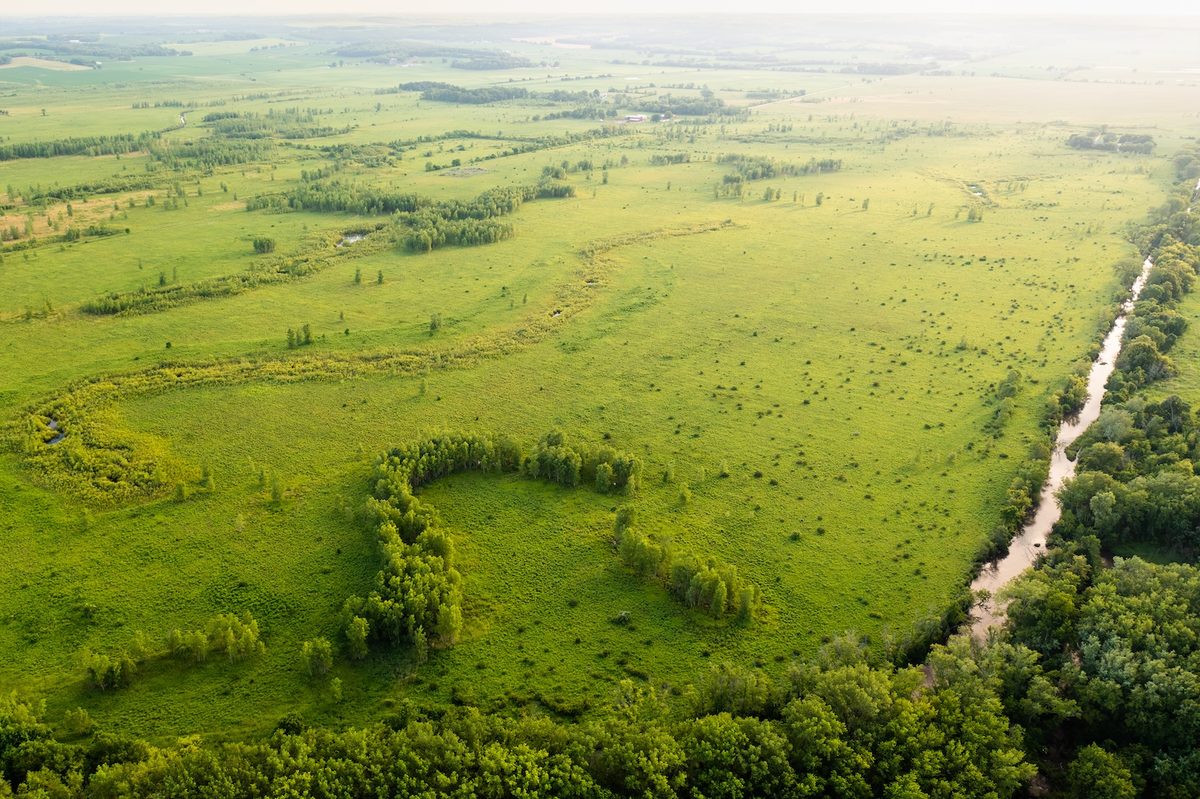
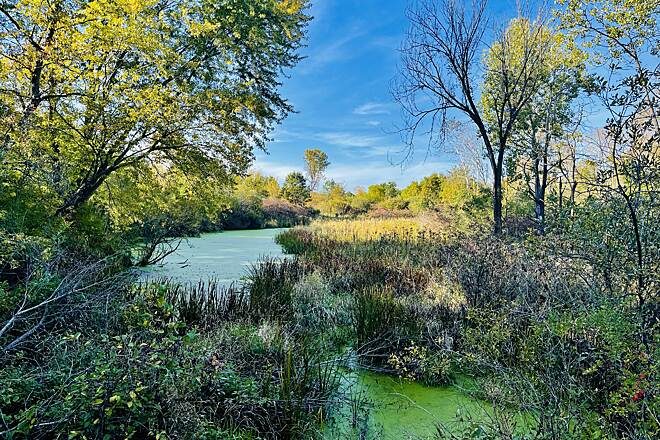
Nearly 2,000 acres of wetlands, forest, and prairie along Wisconsin's Lower Sugar River is now permanent conservation land. Ducks Unlimited and the Madison-based Groundswell Conservancy closed the deal in July, the largest protection project in Groundswell's 43-year history and Ducks Unlimited's biggest conservation acquisition in Wisconsin.

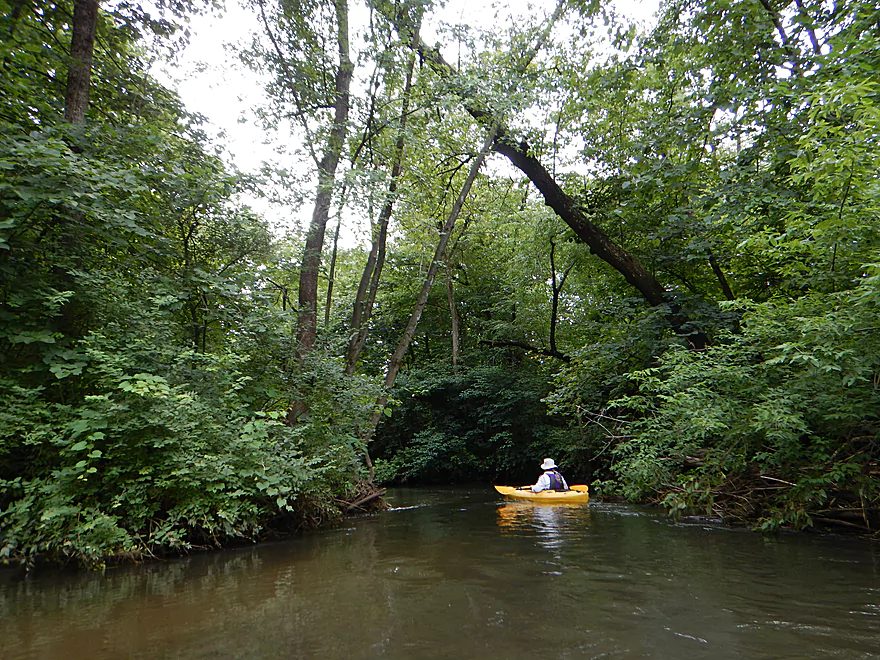
The former Applegate-Bader farm holds more than two miles of river frontage and hosts several state-listed rare species, including endangered Yellow-crowned Night-Herons and Ornate Box Turtles. The land is already open to the public for hunting, fishing, hiking, and birding.

It will eventually join the state's Avon Bottoms Wildlife Area. The purchase drew on Wisconsin's Knowles-Nelson Stewardship Program, whose authorization lapsed June 30, making this one of the last projects funded through the state's main conservation pot.

Why it matters

The deal locks nearly 2,000 acres of floodplain away from development, but the state fund that made it possible has expired.

Questions about this story

Free account needed to ask — your question is kept and asked for you right after sign-up. Answers are public.

No questions yet — be the first to ask.

Key Indicators

~2,000
Acres permanently protected
The former Applegate-Bader farm in Rock County, including over two miles of Sugar River frontage.
43
Years of Groundswell Conservancy history
The acquisition tops all previous Groundswell land protection projects since its founding.
2+ miles
Sugar River frontage
The property includes more than two miles of frontage along the Lower Sugar River.

Voices

Curated perspectives — historical figures and your fellow readers.

Ever wondered what historical figures would say about today's headlines?

Sign up to generate historical perspectives on this story.

People Involved

Organizations Involved

Timeline

January 2016 July 2026

3 events Latest: July 8th, 2026 · 2 months ago
  1. Ducks Unlimited and Groundswell protect Sugar River land

    Latest Announcement

    Ducks Unlimited and Groundswell protected nearly 2,000 Sugar River acres, a record for the conservancy.

  2. Knowles-Nelson conservation fund lapses

    Policy

    Wisconsin's Knowles-Nelson Stewardship Program lost funding in the state budget and its authorization expired.

Scenarios

1

WDNR Takes Ownership of Sugar River Land

Likely Resolves by Jul 1, 2028

Discussed by: Ducks Unlimited and Groundswell Conservancy press materials

Both groups stated the property will transfer to the Wisconsin Department of Natural Resources to be managed as part of the Avon Bottoms Wildlife Area. Ducks Unlimited must first finish restoration work, including prescribed burns to improve nesting habitat. A dedication ceremony would mark the transfer and fold the land into the adjacent state conservation complex.

2

Legislature Restores Knowles-Nelson Funding

Possible Resolves by Jul 15, 2027

Discussed by: Groundswell Conservancy and Janesville Gazette coverage

The state budget for 2025-27 left the Knowles-Nelson Stewardship Program unfunded, and its authorization expired June 30. Groundswell called on the legislature and the next governor to restore funding. The program can be reauthorized in the 2027-29 budget, which typically passes by late June 2027.

3

DU Completes Habitat Restoration Before Transfer

Likely Resolves by Jul 1, 2028

Discussed by: Brian Glenzinski, Ducks Unlimited

Before the land goes to the state, Ducks Unlimited plans wetland enhancements and prescribed burns to knock back woody growth that invaded the former farmland. The work aims to convert the property into better nesting habitat for waterfowl and grassland birds within the Avon Bottoms complex.

Historical Context

3 moments from history that rhyme with this story — and how they unfolded.

1989-2026

Knowles-Nelson Stewardship Program (1989-2026)

Wisconsin lawmakers created the Knowles-Nelson Stewardship Program, named for Governors Warren Knowles and Gaylord Nelson, as a dedicated fund for land conservation and recreation purchases.

Then

Over nearly four decades, the program funded land purchases, easements, and park development across the state.

Now

The 2025-27 state budget left it unfunded, and its authorization lapsed on June 30, 2026, ending a main source of conservation money.

Why this matters now

The Sugar River deal received one of the last Knowles-Nelson grants, and future projects now lack this funding source.

1990-present

Wetlands Reserve Program (1990)

Congress created this U.S. Department of Agriculture program to pay farmers to restore drained wetlands. Landowners received payments and permanent easements in exchange for bringing water back to converted cropland.

Then

Farmers enrolled millions of acres nationwide, restoring habitat on land that had been drained for agriculture.

Now

The program gave wetlands work a template used on the Applegate-Bader property before its sale to conservation groups.

Why this matters now

The Sugar River property passed through the Wetland Reserve Easement program, which restored wetlands on the former farm before Ducks Unlimited and Groundswell bought it.

1920s-1940s

Horicon Marsh Protection (1920s-1940s)

Wisconsin's largest marsh was drained for farming in the early 1900s. Conservationists pushed the state and federal governments to buy the land back and reflood it, creating what became a 33,000-acre refuge.

Then

The reflooded marsh became a national wildlife refuge and a state wildlife area, and it quickly drew back nesting waterfowl.

Now

Horicon became the state's flagship example of large floodplain restoration, informing later efforts.

Why this matters now

Like Horicon, the Sugar River acquisition converts decades of marginal cropland back into a functioning floodplain and wildlife corridor.

Sources

(9)