


Pull to refresh
Logo
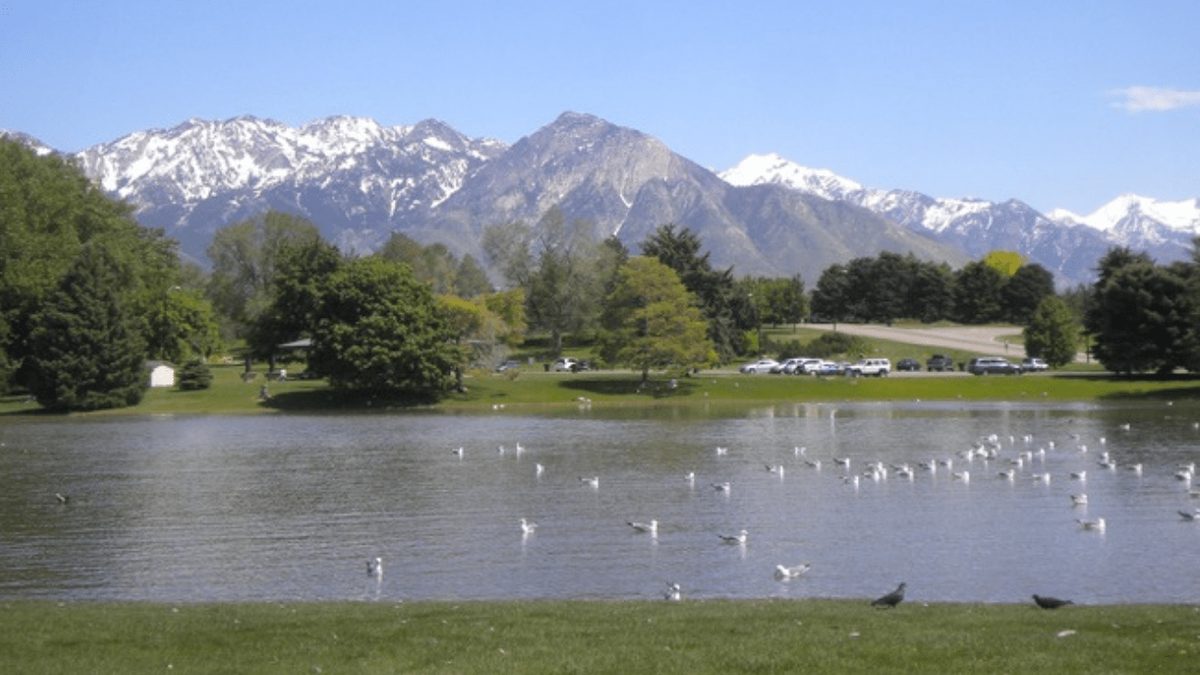
Sugar House Park pond refills after summer drought drain

Sugar House Park pond refills after summer drought drain

Built World Salt Lake City, UT local

Parleys Creek flows recovered, letting the detention basin fill back up

Yesterday: Pond refilled and no longer stinky

Overview

Updated Yesterday

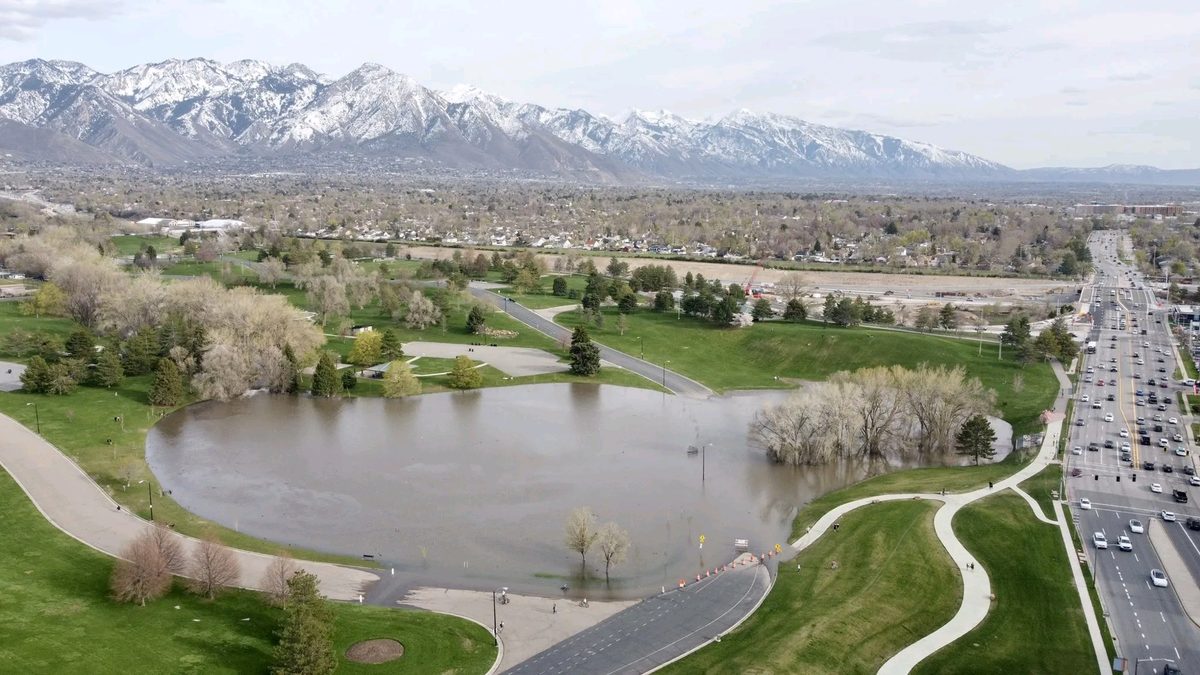
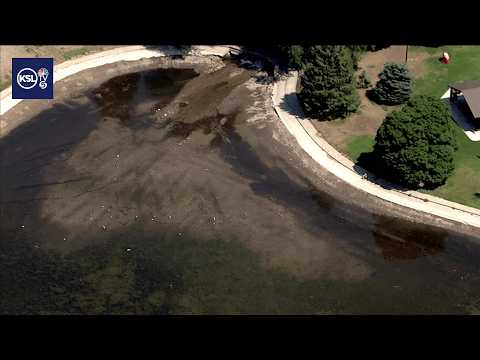
Sugar House Park's pond sat drained for two months this summer. Parleys Creek dropped to record-low flows, so Salt Lake County opened the outlet gate and let the creek run through the basin naturally instead of letting stagnant water fester. In September, water returned.

The pond is a flood-control detention basin, not a decoration. Its water level tracks the Wasatch Front's snowpack and creek flows — and this summer's drain was the second drought-driven shutdown in five years.

Why it matters

When drought stalls Parleys Creek, this popular pond turns stagnant and toxic — a visible alarm for Salt Lake City's water security.

Questions about this story

Free account needed to ask — your question is kept and asked for you right after sign-up. Answers are public.

No questions yet — be the first to ask.

Key Indicators

2
Drought-driven drainings in 5 years
The pond was drained in 2021 and 2026 as creek flows fell to record lows.
3-3.5 cfs
Parleys Creek flow at canyon mouth (July 2026)
Flow was at record lows for July, prompting the decision to drain the pond.
14%
Parleys Creek flow held in Little Dell Reservoir
Public utilities held back only 14% of flow for reservoir elevation, sending the rest downstream.

Voices

Curated perspectives — historical figures and your fellow readers.

Ever wondered what historical figures would say about today's headlines?

Sign up to generate historical perspectives on this story.

People Involved

Organizations Involved

Timeline

July 2026 September 2026

4 events Latest: Yesterday
Tap a bar to jump to that date
  1. Pond refilled and no longer stinky

    Latest Recovery

    Refill observed; park users report pond full and odor-free.

  2. Tribune reports stinky, toxic water concerns

    Media Coverage

    Article describes low flows and water quality issues at the park pond.

  3. Pond drained due to record-low creek flows

    Water Management

    County opens outlet gate after Parleys Creek hits record-low July flows.

Scenarios

1

Sugar House Park pond remains full through summer 2027

Possible Resolves by Sep 1, 2027

Discussed by: Water managers; Salt Lake Tribune drought coverage

If the 2026-27 winter brings normal snowpack, Parleys Creek will sustain enough flow to keep the pond full through next summer. The county would keep the outlet gate closed and the pond at typical levels.

2

Pond drained again in summer 2027

Possible Resolves by Sep 1, 2027

Discussed by: Water managers; drought forecasters

If the drought persists and creek flows stay low, the county would repeat the July 2026 operation: open the outlet gate, let the pond drain, and wait for better flows. The 2021 and 2026 drainings suggest a pattern under sustained dry conditions.

3

County adds permanent aeration to the pond

Unlikely Resolves by Jan 1, 2028

Discussed by: Local infrastructure observers

If dry years become frequent, the county could install aeration or circulation equipment to keep water healthy even at low levels. The 2021 and 2026 drained years highlight the vulnerability of the current design.

Historical Context

2 moments from history that rhyme with this story — and how they unfolded.

July 2021

Sugar House Park pond drain (July 2021)

During the 2021 western drought, Salt Lake County drained the same pond for the same reason: Parleys Creek flows were too low to sustain a healthy water body. The pond then sat with minimal water through the summer.

Then

The pond refilled after fall rains and a normal winter snowpack.

Now

The 2021 drain established the precedent the county followed in 2026.

Why this matters now

Shows the 2026 drain is part of a pattern, not a one-off — and that recovery depends entirely on mountain precipitation.

November 2022

Great Salt Lake record low (November 2022)

The Great Salt Lake hit its lowest recorded level, about 4,190 feet above sea level, amid a two-decade western megadrought. The lake's decline threatened brine shrimp harvests, mineral extraction, and airborne dust control.

Then

Utah lawmakers passed measures to conserve water and pass more flow to the lake.

Now

The lake's decline became a symbol of the region's chronic water stress.

Why this matters now

The same regional drought cycle that drained Sugar House Park's pond has pushed the Great Salt Lake to historic lows — the park pond is a small, visible slice of the same water shortage.

Sources

(4)