
Pull to refresh
Logo
Former Bronx movie theater site becomes 85-unit supportive housing

Former Bronx movie theater site becomes 85-unit supportive housing

Built World New York, NY local

Ogden Theatre Apartments wraps construction in Highbridge, testing the city's public-private housing model

Overview

Updated 59 minutes ago

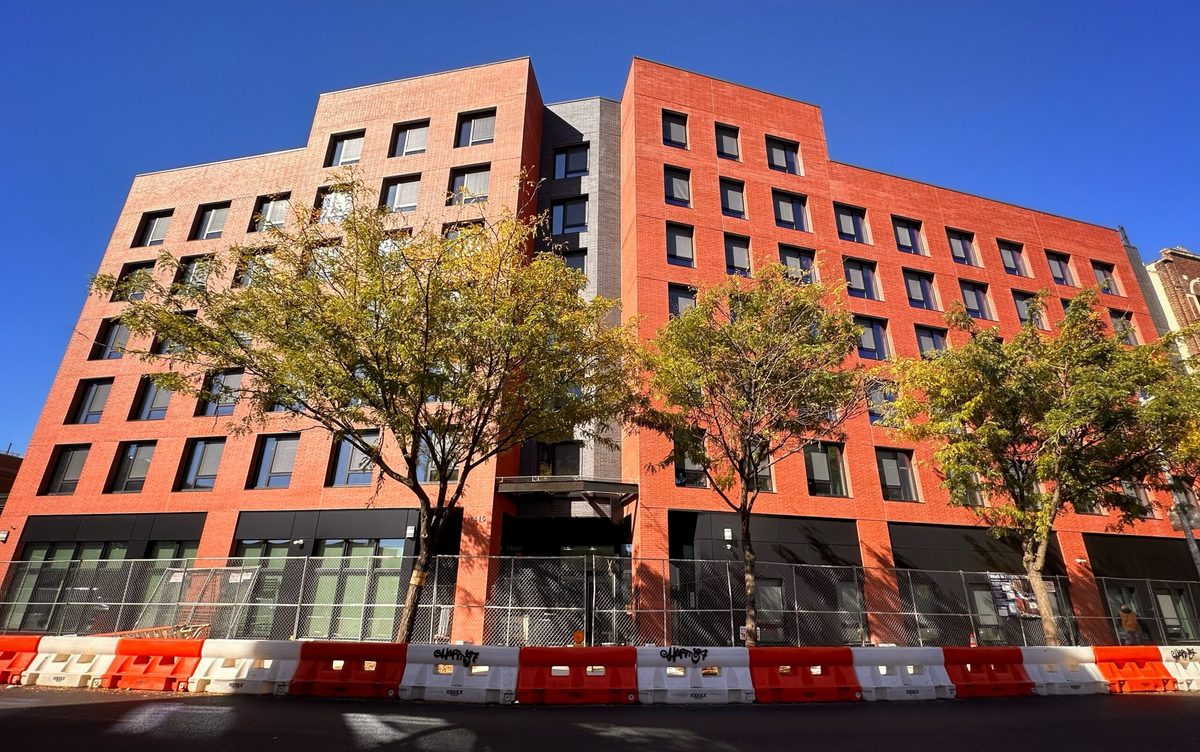
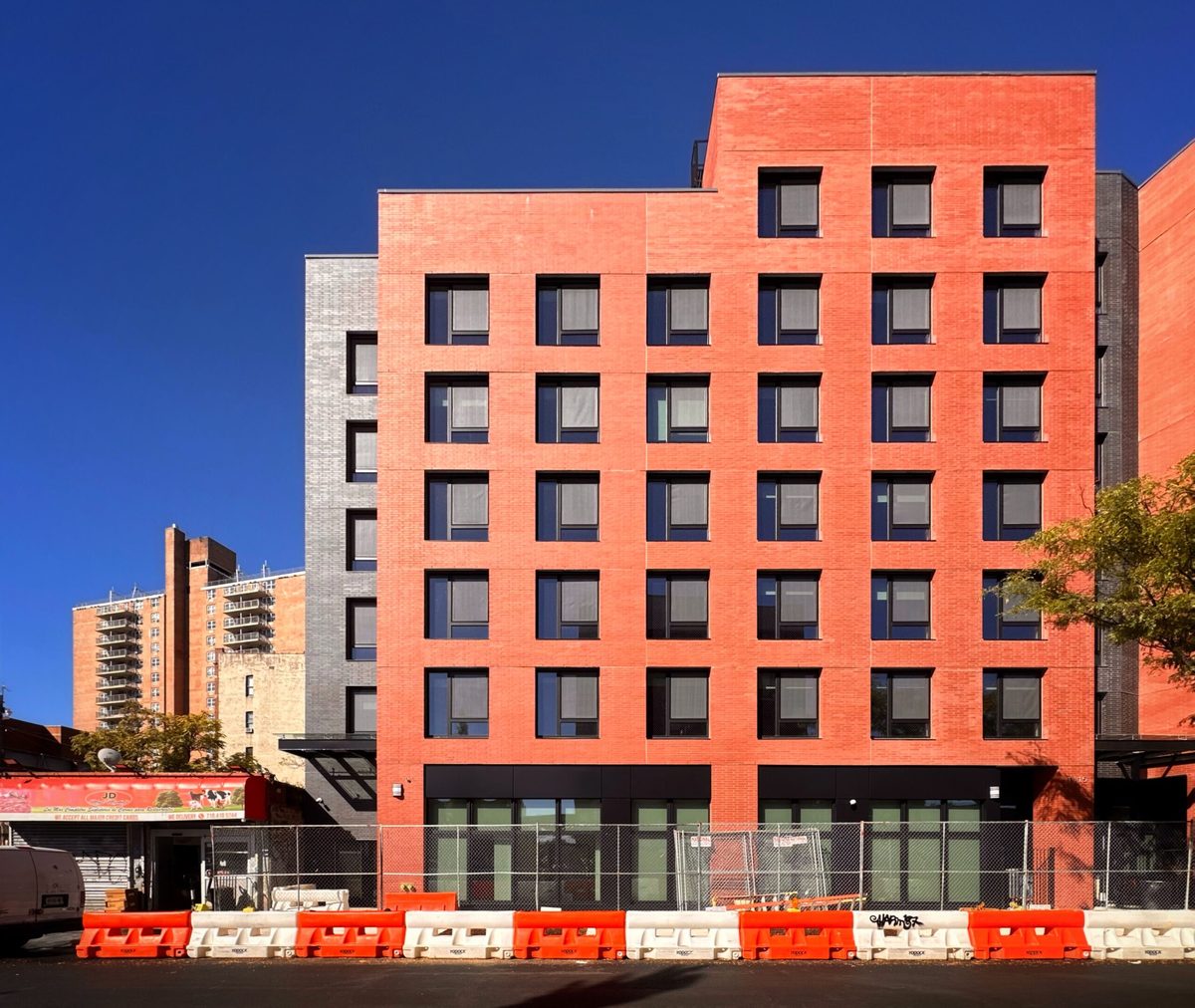
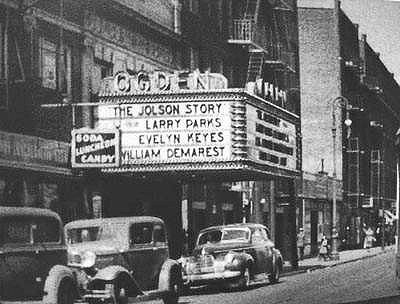
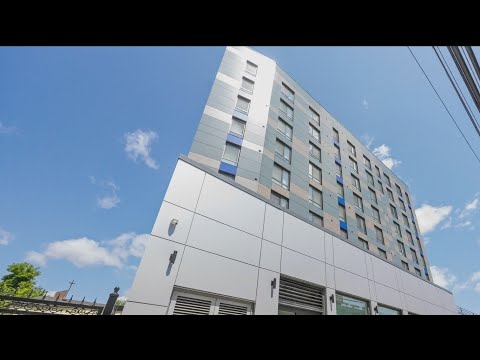
A Bronx corner that spent decades as a movie theater, a bowling alley, and a church is now an 85-unit apartment building. Ogden Theatre Apartments at 1415 Ogden Avenue in Highbridge has wrapped up construction, with full completion expected next spring.

The project pairs private equity with city and state funding. Fifty-one units are supportive housing for formerly homeless individuals; 34 go to households at or below 60% of area median income. It's one building in a citywide pipeline testing whether the model can move homelessness numbers.

Why it matters

If this public-private model works, it adds a reliable pipeline of homes for formerly homeless New Yorkers, a test for the city's homelessness strategy.

Monday: what changed in New York, NY

One short email a week with the openings, closings, permits and council votes we covered. Free. Unsubscribe in one click.

Questions about this story

Free account needed to ask — your question is kept and asked for you right after sign-up. Answers are public.

No questions yet — be the first to ask.

Key Indicators

85
Total units
All units affordable to households at or below 60% of area median income.
51
Supportive housing units
Reserved for formerly homeless individuals, with on-site case management and employment services.
$66M
Total development cost
Financed through Low Income Housing Tax Credits, HPD's Supportive Housing Loan Program, and private equity from Chase and M&T banks.
≤60%
Area median income cap
Income limit for the 34 non-supportive units, which also accept Section 8 vouchers.

Voices

Curated perspectives — historical figures and your fellow readers.

Sign up to generate historical perspectives on this story.

People Involved

Organizations Involved

Timeline

1 event Latest: Today
  1. Construction wraps up on Ogden Theatre Apartments

    Today Construction milestone

    New York YIMBY reports the 85-unit affordable building's façade is complete; full completion is expected next spring.

Scenarios

1

Ogden Theatre Apartments opens on schedule, fully leased

Likely Resolves by Q2 2027

Discussed by: New York YIMBY, which reported completion is expected next spring

The building receives its certificate of occupancy by spring 2027 and begins leasing. The 34 Section 8/affordable units fill through the city's Housing Connect lottery, while the 51 supportive units fill through referrals from agencies working with formerly homeless individuals.

2

Completion slips past summer 2027

Possible Resolves by Q3 2027

Discussed by: Construction industry norms; YIMBY's 'expected next spring' is an estimate, not a commitment

Final punch-list work, inspections, or utility hookups push the certificate of occupancy past summer 2027. Multi-funding projects with several agency sign-offs often slip by several months.

3

Supportive units fill slowly after opening

Possible Resolves by End of 2027

Discussed by: Unique People Services and NCV's own emphasis that supportive referrals can lag market-rate leasing

The building opens but the 51 supportive units fill more slowly than the affordable ones because referrals from city agencies take time. If fewer than 80% of supportive units are occupied within six months of opening, the lease-up risk becomes measurable.

Historical Context

3 moments from history that rhyme with this story — and how they unfolded.

1990

New York/New York agreement (1990)

The city and state signed the first New York/New York agreement, committing both governments to fund thousands of supportive housing units for homeless people with special needs. It put public money and services behind the then-new idea that stable housing plus on-site care costs less than shelters.

Then

The 1990 agreement created the funding template supportive housing developers still use: public subsidies layered with tax credits and private capital.

Now

Four follow-up NY/NY agreements through 2016 expanded the pipeline, embedding supportive housing in New York's homelessness response.

Why this matters now

Ogden Theatre Apartments is a direct descendant of this model: public funding, tax credits, private equity, and nonprofit services working in a single building.

Mid-1990s

Times Square Hotel conversion (mid-1990s)

The nonprofit Common Ground converted the rundown Times Square Hotel into more than 600 units of supportive housing for homeless and low-income New Yorkers. It turned a fading single-room-occupancy hotel into proof of the adaptive-reuse model: taking a building that had outlived its purpose and making it permanent homes.

Then

The building opened fully occupied and remains supportive housing today, run by Breaking Ground.

Now

It became the flagship example that shuttered commercial buildings could become homes, easing the path for projects like Ogden.

Why this matters now

Ogden follows the same playbook: a former movie theater and bowling alley becoming permanent supportive housing through a public-private partnership.

1930-1969

United Palace Theatre (1930-1969)

Loew's 175th Street Theatre opened in 1930 as one of the Bronx's grand movie palaces, seating more than 3,000. When the palace closed as a cinema, it found a second life as the United Palace, first a church and now a performance venue.

Then

The theater survived by becoming a religious and cultural anchor rather than housing.

Now

It shows the range of adaptive reuse: grand palaces like United Palace became venues; smaller neighborhood theaters like Ogden became homes.

Why this matters now

Ogden's site, a smaller former theater and bowling alley, took the housing path, a reminder that reuse depends on building size, location, and community need.

Sources

(4)