
Pull to refresh
Logo
New York City fines owners of unstable vacant Staten Island properties

New York City fines owners of unstable vacant Staten Island properties

Built World New York, NY local

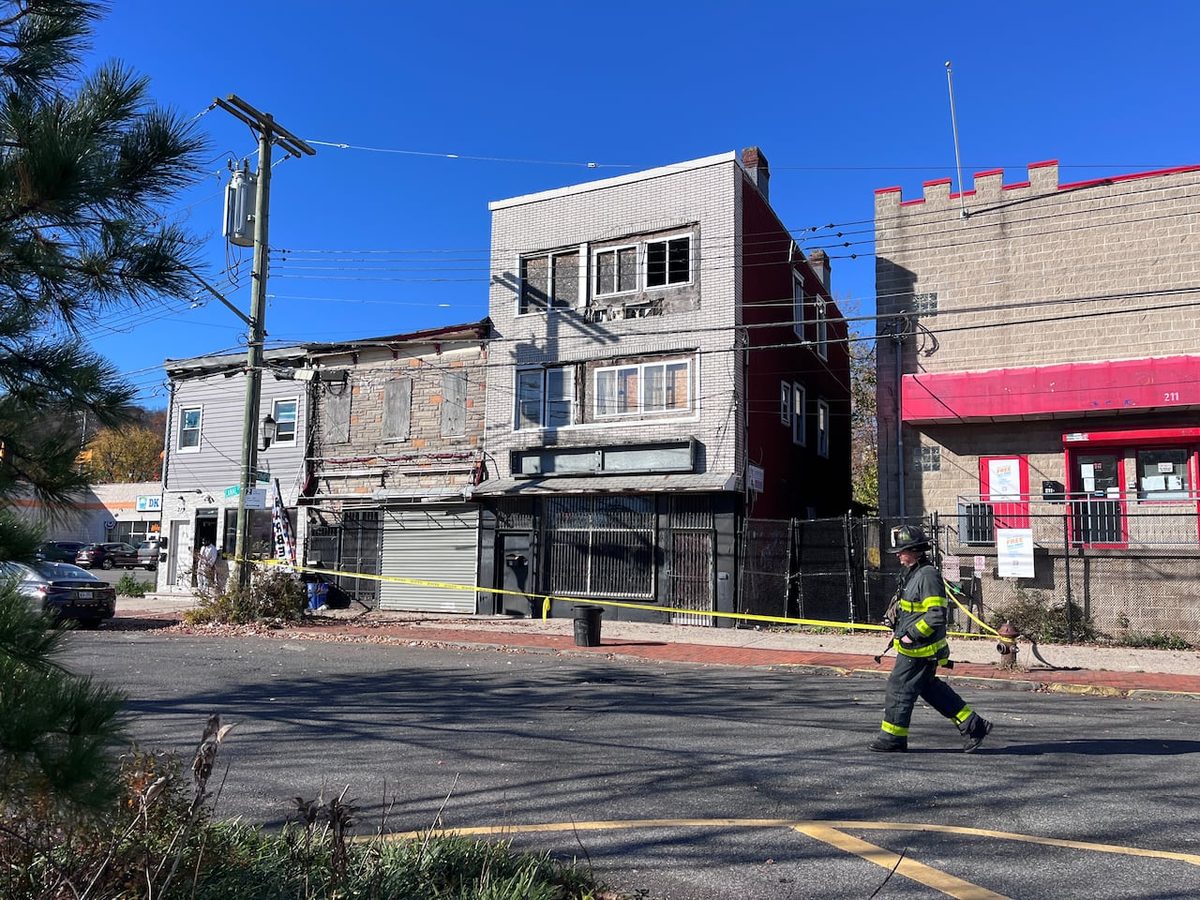
Inspectors found misaligned walls and a partially exposed roof at the Stapleton Properties.

Overview

Updated 33 minutes ago

New York City fined the owners of vacant Staten Island properties on Nov. 25 after inspectors found walls out of alignment and a partially exposed roof at the Stapleton Properties. The action turns an inspection finding into a financial penalty.

Unsafe vacant buildings can become hazards for neighbors and emergency crews. The record does not say how much the fines total, what repairs the city ordered, or whether the owners plan to contest them.

Why it matters

Fines are one of the few tools cities have to force absent owners to secure or demolish dangerous vacant buildings.

Last Monday's email for New York, NY

Sent Nov 23. It carried:

Get next Monday's: one short email a week. Free. Unsubscribe in one click.

Questions about this story

Free account needed to ask — your question is kept and asked for you right after sign-up. Answers are public.

No questions yet — be the first to ask.

Voices

Curated perspectives — historical figures and your fellow readers.

Sign up to generate historical perspectives on this story.

Organizations Involved

Timeline

1 event Latest: Yesterday

Scenarios

1

Owners repair or demolish the Stapleton Properties

Possible Resolves by Q2 2027

Discussed by: silive.com reporting and city enforcement records

If the owners respond to the fines, they would need to obtain permits and complete structural repairs or demolition. That would clear the unsafe-structure violations and end the enforcement case.

2

City escalates to emergency demolition or receivership

Unlikely Resolves by End of 2027

Discussed by: city enforcement records and local reporting

If the owners do not act, the city could seek an emergency demolition order or ask a court to appoint a receiver to take over the property. That would shift control away from the owners.

3

Owners contest fines and win dismissal or reduction

Uncertain Resolves by Q1 2027

Discussed by: OATH records and local reporting

The owners could challenge the fines at the Office of Administrative Trials and Hearings. An administrative law judge could dismiss or reduce them if the city's evidence is insufficient.

Historical Context

2 moments from history that rhyme with this story — and how they unfolded.

1970s

New York City fiscal crisis and vacant lots (1970s)

New York City's fiscal crisis left the city owning more than 100,000 vacant lots and abandoned apartments, according to a 2014 comptroller audit. The Department of Housing Preservation and Development was required to set timelines for redeveloping them.

Then

Many lots sat fallow for decades.

Now

The inventory became a lasting challenge for affordable housing and neighborhood revitalization.

Why this matters now

The Stapleton case involves private owners, not city-owned land, but it shows how long vacant property can shape New York City neighborhoods.

2025

Privately owned public spaces fines (2025)

New York City's Department of Buildings issued 21 violations related to privately owned public spaces in 2025. Fines ranged from $5,000 to $25,000 for closing required public amenities.

Then

Most violations were pending or resolved at the Office of Administrative Trials and Hearings.

Now

The city continued proactive inspections, finding violations at 15% of spaces in the 2023-2025 cycle.

Why this matters now

It shows the city's broader use of fines to enforce property obligations, though the Stapleton case concerns structural safety rather than public access.

Sources

(3)