
Pull to refresh
Logo
New York City's year-round outdoor dining program brings 36 violation types

New York City's year-round outdoor dining program brings 36 violation types

Rule Changes New York, NY local

Fines start at $200 and rise to $500, closing time drops to 11 p.m., and a 30-day grace period precedes any first summons

Overview

Updated 8 hours ago

Restaurants in New York City's year-round outdoor dining program face 36 separate violation types this winter, up from two under the seasonal rules the program replaced. Fines run $200 for a first offense and $500 for each one after that.

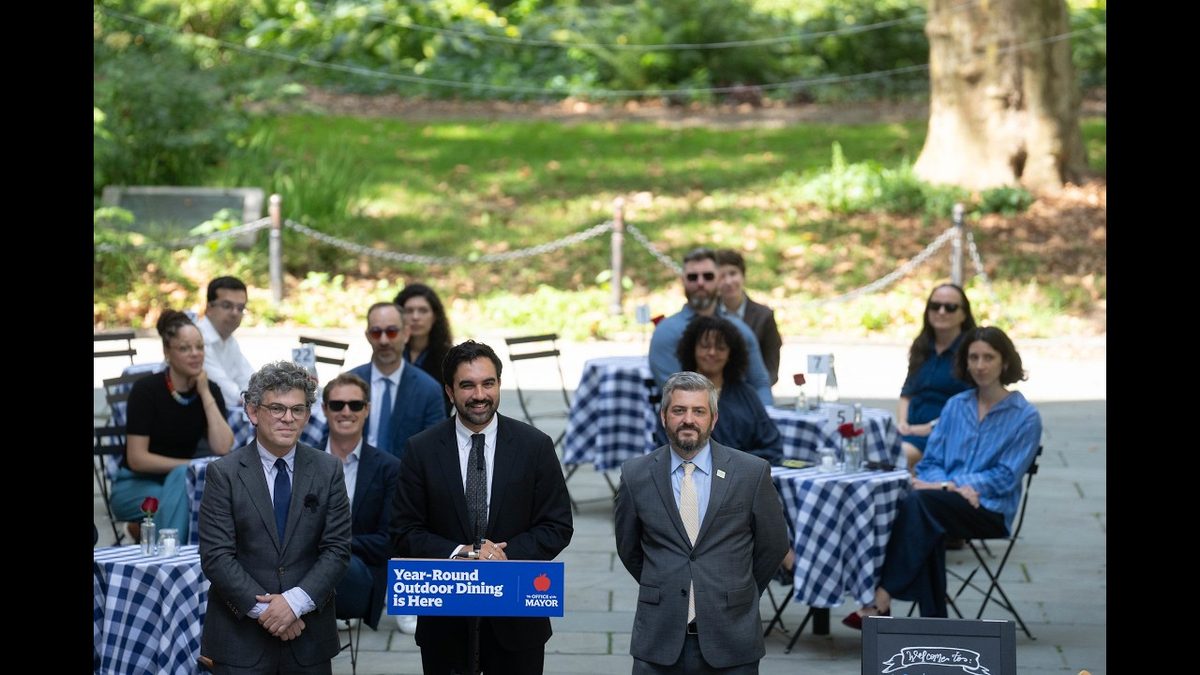
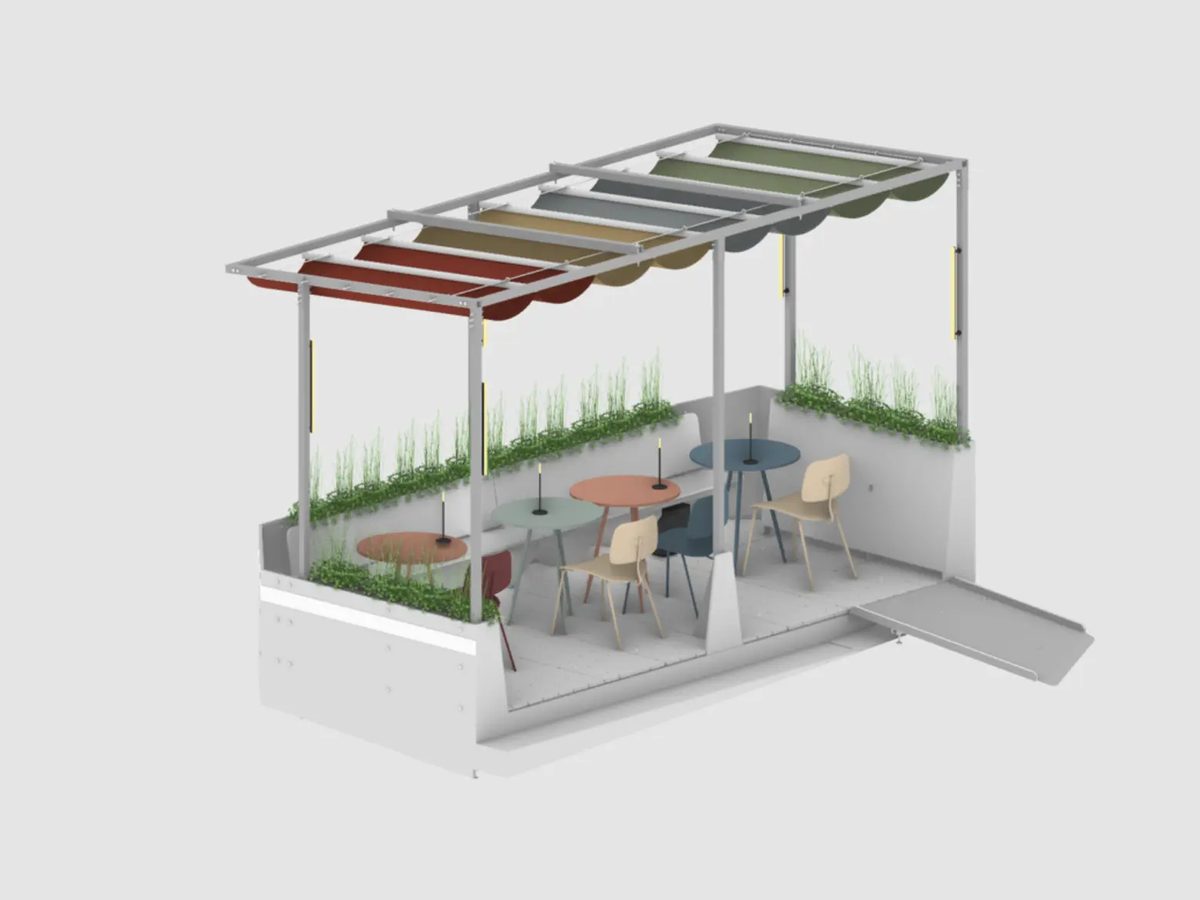
The city traded regulatory simplicity for year-round operation. Mayor Zohran Mamdani signed the year-round law on Aug. 31, ending the requirement that curbside dining structures come down between Nov. 30 and March 31. The Department of Transportation says splitting two broad penalty categories into 36 specific ones fixes confusion at administrative hearings, while restaurant groups say the schedule raises the cost of staying in a program they lobbied to make permanent.

Why it matters

Roughly 1,600 restaurants hold outdoor dining licenses. Whether a 36-item fine schedule is workable decides whether curbside dining survives as a permanent fixture.

Last Monday's email for New York, NY

Sent Nov 16. It carried:

Get next Monday's: one short email a week. Free. Unsubscribe in one click.

Questions about this story

Free account needed to ask — your question is kept and asked for you right after sign-up. Answers are public.

No questions yet — be the first to ask.

Key Indicators

36
Violation types under the program
Up from two penalty categories in the previous program, which the reporting described as more than ten times the count.
2
Penalty types under the prior program
The Department of Transportation said two broad categories caused confusion at administrative hearings.
$200
First-offense fine
Applies to compliance failures after the corrective action window closes.
$500
Second and subsequent offense fine
Repeated non-compliance can also lead to suspension or revocation of the license.
30
Corrective action window
First-time violators get 30 days to fix the problem before a summons is written.
1,649
Restaurants with fully issued outdoor dining licenses
The count given by the City Council at the time of the August 2026 vote.
11 p.m.
New closing time for outdoor cafes
Down from midnight; the law bars the Department of Transportation from allowing later hours.

Voices

Curated perspectives — historical figures and your fellow readers.

Sign up to generate historical perspectives on this story.

People Involved

Organizations Involved

Timeline

2020 November 2026

5 events Latest: Today
Tap a bar to jump to that date
  1. Report tallies 36 violation types, up from two

    Today Regulation

    Restaurant groups object to $200/$500 fines and an 11 p.m. curfew replacing midnight.

  2. Mamdani signs Local Law 135

    Signing

    The winter teardown requirement ends immediately; an interim year-round license costs $630.

  3. Council approves year-round roadway dining

    Legislation

    The package passes; the Council counts 1,649 restaurants holding fully issued licenses.

  4. Outdoor dining becomes permanent, but seasonal

    Legislation

    Dining Out NYC allows year-round sidewalk cafes but limits roadway cafes to April 1 through Nov. 29.

  5. Pandemic street seating reshapes city blocks

    Program launch

    New York City lets bars and restaurants build seating in sidewalks and parking lanes while indoor dining is restricted.

Scenarios

1

First summonses land under the 36-violation schedule

Likely Resolves by Q2 2027

Discussed by: Department of Transportation enforcement staff and restaurant owners quoted in The City Reporter

Inspectors issue corrective action requests through the winter, restaurants that fix problems within 30 days avoid a summons, and a smaller set that does not becomes the first $200 citations under the new list. This is the path the department describes: enforcement aimed at compliance, with penalties as the backstop.

2

Council trims the penalty schedule before enforcement bites

Unlikely Resolves by Q2 2027

Discussed by: The New York City Hospitality Alliance and the New York State Latino Restaurant Association

If owners start dropping out, or if the fine schedule draws sustained criticism at hearings, the Council could pass an amendment shrinking the violation list or softening the $200/$500 ladder. The bill has an established path: the same body that wrote the program in August can revise it, and the industry groups arguing against the fines have lobby access to that body.

3

Operators walk and licensed cafe count falls below 1,500

Possible Resolves by Nov 30, 2027

Discussed by: Sandra Jaquez, whose association says owners are already struggling to stay open

Owners weigh the $630 interim license, the cost of winterizing, the 11 p.m. cutoff and the risk of fines against the revenue a curbside structure brings in. If enough conclude the math no longer works, the licensed count falls from the 1,649 the Council recorded in August.

Historical Context

2 moments from history that rhyme with this story — and how they unfolded.

2020

Open Restaurants (2020)

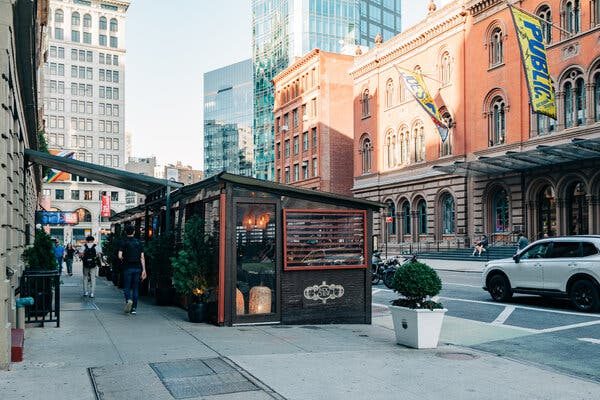
With indoor dining restricted during the COVID-19 pandemic, New York City let restaurants build seating on sidewalks and in parking lanes. Thousands of structures went up, many of them built cheaply and never intended to last.

Then

The setups kept bars and restaurants afloat through shutdowns and became a visible feature of city streets.

Now

The program outlasted the emergency it was created for, and the city moved to make it permanent in 2023.

Why this matters now

Every later version of the program is measured against the pandemic one, and it set the expectation among owners that street seating is worth investing in.

2023

Dining Out NYC (2023)

A 2023 law made outdoor dining permanent as Dining Out NYC. Sidewalk cafes could run year-round, but roadway cafes built in curb or parking-lane space were limited to April 1 through Nov. 29, which meant dismantling and reinstalling the structures every year.

Then

Owners absorbed annual teardown, storage and rebuild costs, and the two-penalty enforcement system created disputes at administrative hearings.

Now

The seasonal split became the central complaint the 2026 law reversed, creating separate seasonal and year-round roadway licenses.

Why this matters now

The 2026 law swapped an annual teardown for a 36-item rulebook. That trade is the heart of the current dispute.

Sources

(4)