
Pull to refresh
Logo
NYC congestion pricing cut fine particle pollution in Manhattan toll zone by 13% in first year

NYC congestion pricing cut fine particle pollution in Manhattan toll zone by 13% in first year

Rule Changes

Columbia-led study finds the decline tracked an 11% drop in vehicles entering the zone

4 days ago: Columbia study published

Overview

Updated 1 hour ago

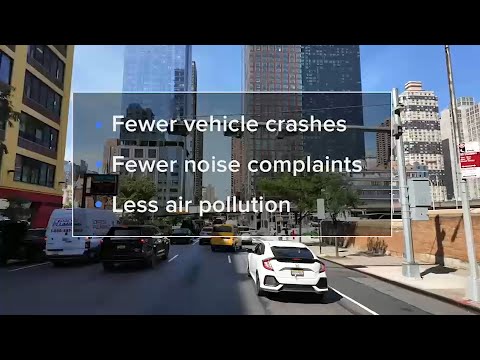
New York City's congestion pricing cut fine particle pollution inside the Manhattan toll zone by about 13% in its first year. A Columbia-led study published in Environmental Science & Technology Letters tracked air quality at 15 monitoring sites. The decline closely matched the roughly 11% drop in vehicles entering the zone.

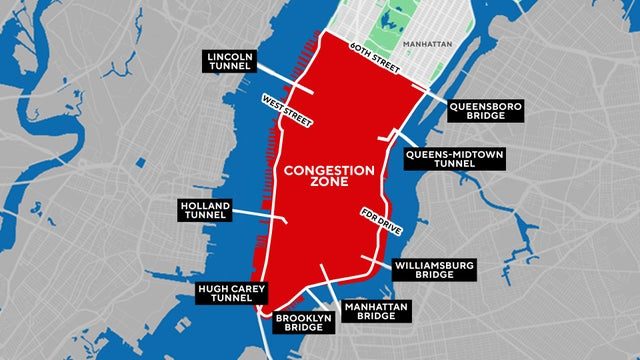
The program, which took effect January 5, 2025, charges most vehicles entering Manhattan south of 60th Street. It cut traffic by 27 million vehicles in its first year and generated over $550 million in net revenue for transit upgrades. The city's own health department, using a simpler before-and-after comparison, found pollution held steady or improved slightly.

Why it matters

If this holds, other US cities have a measured template for cutting traffic and air pollution at once.

Questions about this story

Free account needed to ask — your question is kept and asked for you right after sign-up. Answers are public.

No questions yet — be the first to ask.

Key Indicators

13%
PM2.5 reduction inside congestion zone
Fine particulate pollution fell beyond what regional trends and weather would predict, per the Columbia study.
11%
Vehicle entry reduction
Average daily drop in vehicles entering the Congestion Relief Zone in the first year.
27 million
Fewer vehicles entering the zone
Cumulative reduction in vehicle entries during the first year of tolling.
$550 million
Net revenue in first year
Funds directed to MTA transit improvement projects.

Voices

Curated perspectives — historical figures and your fellow readers.

Ever wondered what historical figures would say about today's headlines?

Sign up to generate historical perspectives on this story.

People Involved

Organizations Involved

Timeline

January 2025 October 2026

3 events Latest: 4 days ago
  1. Columbia study published

    Latest Research

    Environmental Science & Technology Letters finds PM2.5 down 13% inside the toll zone, matching the 11% vehicle drop.

  2. One-year results announced

    Statement

    Governor Hochul reports 27 million fewer vehicles, an 11% traffic drop, and $550 million in net revenue.

  3. Congestion pricing takes effect

    Policy

    NYC becomes the first US city to toll drivers entering Manhattan south of 60th Street.

Scenarios

1

Chicago becomes second US city to adopt congestion pricing

Possible Resolves by End of 2028

Discussed by: Urban policy analysts and transit advocacy groups

The measured air quality gains give cities like Chicago, Los Angeles, and Boston evidence to push similar programs. A city council vote or state legislature action would trigger this. The Columbia study's counterfactual methodology gives other cities a template for measuring results.

2

Federal court orders end to NYC congestion pricing

Unlikely Resolves by Jan 20, 2027

Discussed by: MTA and New York Governor's office

The MTA press release cites unlawful federal efforts to terminate the program. If a federal court or executive action succeeds, tolling would end. The legal battle has been ongoing since before the program launched.

3

MTA board votes to adjust congestion toll rates

Likely Resolves by Q2 2027

Discussed by: MTA board and transit policy analysts

The program could see toll changes, zone expansions, or discount adjustments based on first-year data. The MTA board would approve any changes. Revenue targets and traffic patterns will inform the adjustments.

Historical Context

2 moments from history that rhyme with this story — and how they unfolded.

February 2003

London congestion charge (2003)

London introduced a daily congestion charge for central London in February 2003. Traffic fell about 15% in the first year, and the scheme is still running.

Then

Traffic and emissions dropped measurably within months.

Now

The scheme became the model for urban road pricing worldwide and has been expanded over two decades.

Why this matters now

London showed congestion pricing can deliver measurable traffic and air quality gains, the same claim NYC's first-year data now supports.

January 2006 - September 2007

Stockholm congestion tax (2006-2007)

Stockholm ran a seven-month congestion tax trial in 2006, then held a referendum that approved making it permanent. Traffic dropped about 20% during the trial.

Then

Voters approved the tax in a referendum after seeing traffic reductions.

Now

The tax remains in place and Stockholm's air quality improved measurably.

Why this matters now

Stockholm showed voters can support congestion pricing once they see results, a dynamic NYC's first-year data may replicate for other US cities.

Sources

(6)