
Pull to refresh
Logo
Daily Brief
Following
Why Ranks Sign Up
Long Island Rail Road resumes service after strike ends with union deal

Long Island Rail Road resumes service after strike ends with union deal

Force in Play

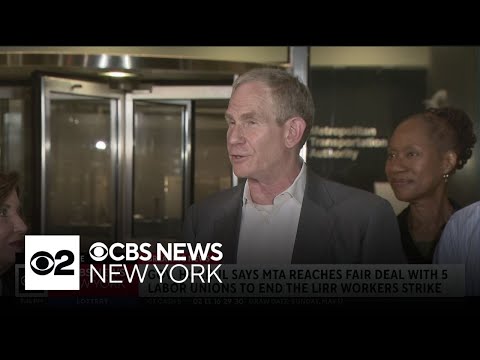
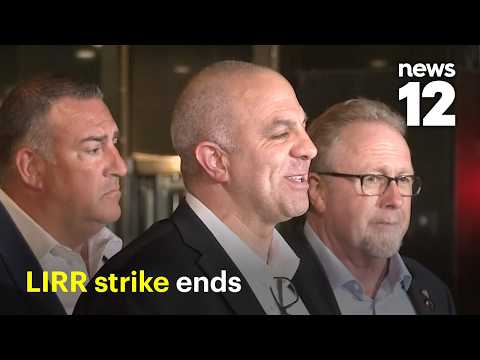
Trains restart in phases after the MTA and rail unions reach a tentative contract

5 days ago: Hourly electric service resumes

Overview

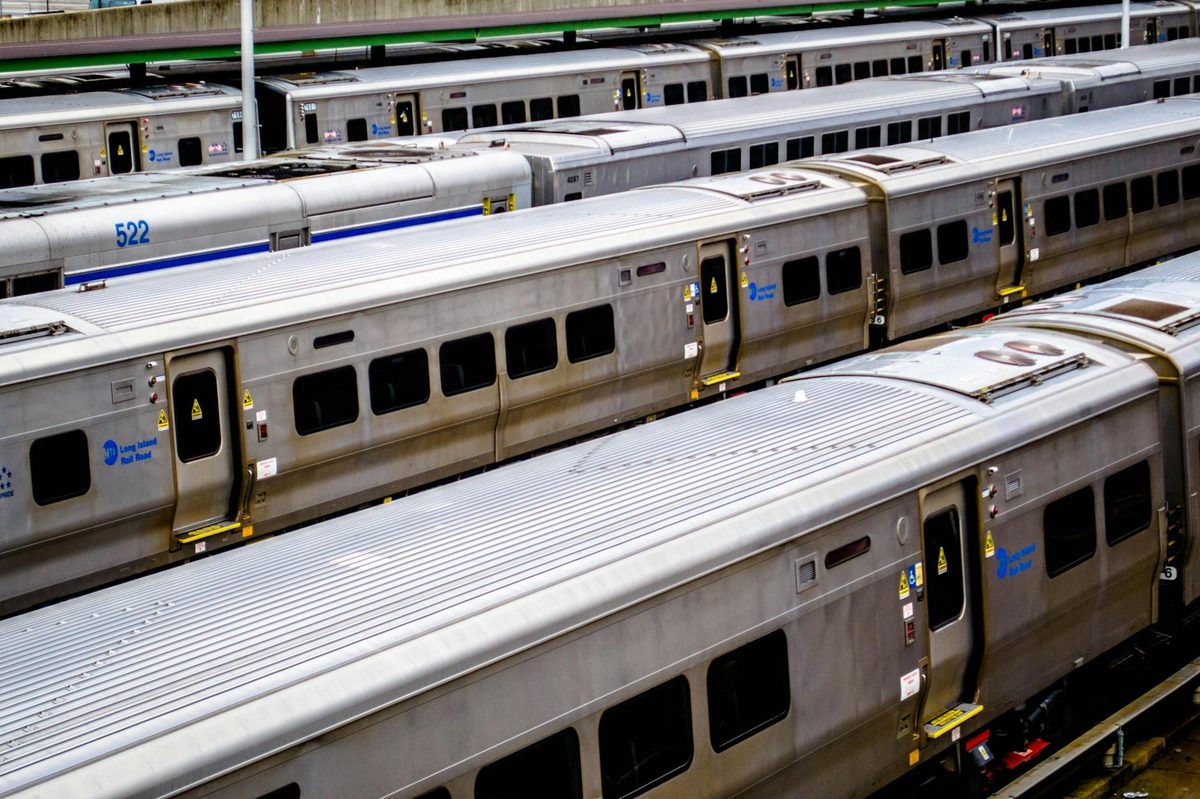
At noon on Tuesday, electric trains began rolling out of Jamaica again. North America's busiest commuter railroad had been dark since Friday night, when contract talks between the Metropolitan Transportation Authority (MTA) and the rail unions collapsed. About 250,000 weekday riders had spent three workdays without trains.

The deal restores service in phases and sets a wage pattern that will shape MTA labor contracts covering tens of thousands more workers over the next two years. Final terms are still being drafted.

Why it matters

The LIRR moves 250,000 commuters daily. The contract ending this strike sets the pay pattern for every MTA labor deal through 2028.

Key Indicators

250K
Daily riders stranded
Average LIRR weekday ridership before the strike began.
3 days
Service shutdown
From Friday evening rush hour to Tuesday noon resumption.
11
LIRR branches affected
Every line in the system stopped running during the walkout.
~70K
MTA workers watching the template
Subway, bus, and Metro-North contracts come up over the next two years.

Voices

Curated perspectives — historical figures and your fellow readers.

Ever wondered what historical figures would say about today's headlines?

Sign up to generate historical perspectives on this story.

Play

Exploring all sides of a story is often best achieved with Play.

Log in to play. Track your picks, climb the leaderboards. Log in Sign Up
Predict 3 ways this could play out. Contrarian picks score more — points lock when the scenario resolves. Log in to play
Higher or Lower Two numbers from this story. Guess which is bigger. 5 rounds to set a streak. Log in to play
Timeline Five events from this story — drag them oldest to newest. Log in to play
Connections Sixteen names from the news. Find the four hidden groups of four. Log in to play

People Involved

Organizations Involved

Timeline

5 events Latest: 5 days ago
Tap a bar to jump to that date
  1. Hourly electric service resumes

    Latest Operations

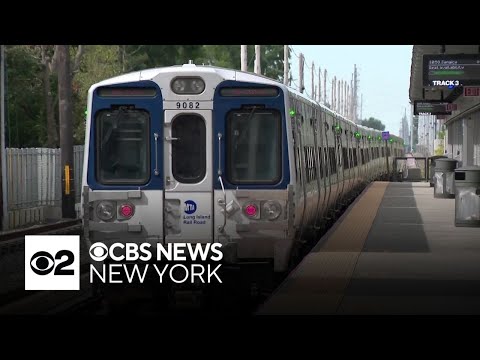
    Trains restart on the Ronkonkoma, Babylon, Port Washington, and Huntington branches. Full service is targeted for the evening rush.

  2. Tentative agreement reached

    Labor

    MTA and the LIRR rail unions announce a tentative deal after a marathon Monday bargaining session. Specific wage terms are still being drafted.

  3. Hochul calls for return to bargaining

    Statement

    The governor publicly urges both sides back to the table as Long Island businesses warn of Monday losses.

  4. First weekend without LIRR service

    Impact

    Bus shuttles, the LIE, and ferries absorb LIRR traffic. Weekend trips and Saturday workers lose their main option.

  5. Talks collapse; LIRR shuts down

    Labor

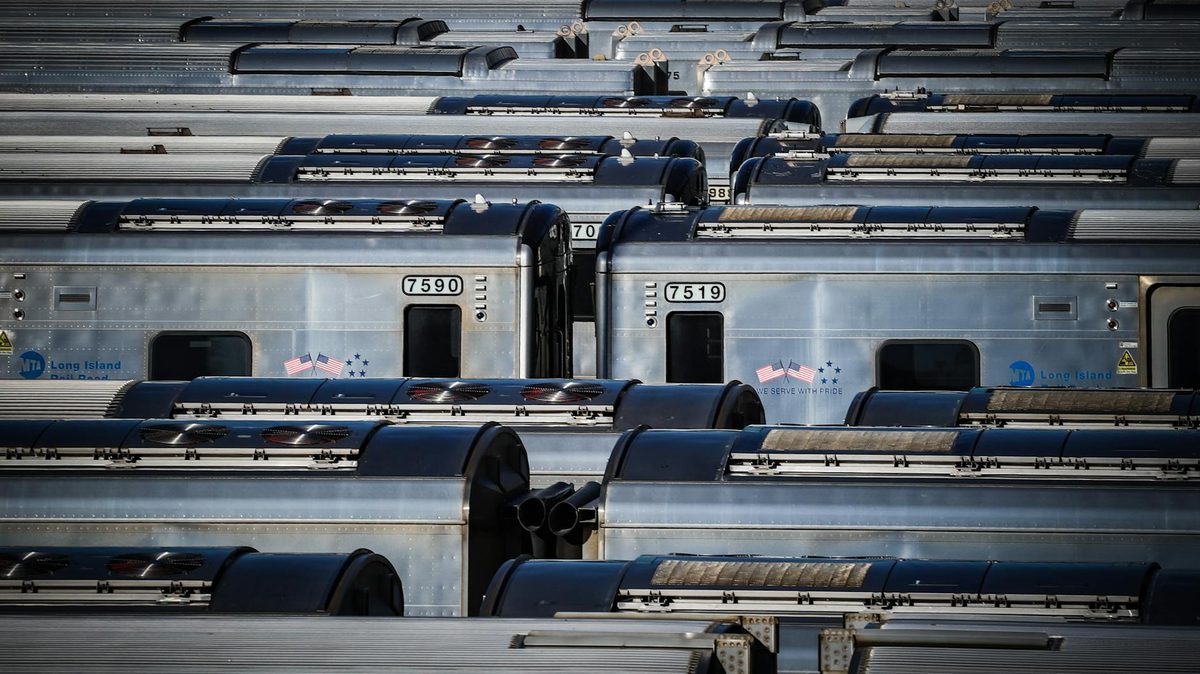
    Final bargaining session ends without a deal. Trains pull into yards at the end of the evening rush and stop running.

Historical Context

3 moments from history that rhyme with this story — and how they unfolded.

June-July 2014

LIRR contract impasse and averted strike (2014)

After four years of stalled bargaining, LIRR unions set a July 20 strike date. President Obama appointed a Presidential Emergency Board under the Railway Labor Act, which recommended raises of about 17 percent over six and a half years. The MTA and the unions signed a deal three days before the strike deadline.

Then

Service ran without interruption. Riders never lost a single train.

Now

The 17 percent wage pattern carried into the next round of MTA contracts for subway and bus workers.

Why this matters now

Same employer, same legal framework, same coalition of unions. The difference in 2026 is that the cooling-off period expired without a settlement, so the trains actually stopped.

December 2005

New York City transit strike (2005)

TWU Local 100 led a 60-hour walkout of subway and bus workers over pensions and retiree health care. New York's Taylor Law made the strike illegal. State courts fined the union about one million dollars a day and docked workers two days of pay for every strike day. The union and the MTA settled with a binding arbitration package.

Then

About seven million daily riders lost subway and bus service in the week before Christmas. The city lost an estimated 400 million dollars in economic activity.

Now

The Taylor Law penalties hardened against future subway strikes. The MTA learned that arbitration could end a walkout faster than negotiation.

Why this matters now

Shows what a multi-day MTA strike costs the regional economy and how political pressure shortens the timeline. Different legal regime, similar public dynamics.

April 1980

New York transit strike (1980)

TWU Local 100 shut down the subway and bus system for 11 days over wages, with Mayor Ed Koch crossing the Brooklyn Bridge on foot alongside commuters. The union faced Taylor Law penalties. The strike ended with a wage deal worth about 17 percent over two years.

Then

Manhattan office attendance fell sharply. Carpooling rules and pedestrian bridges drove the city's first serious congestion-pricing conversations.

Now

Koch's visible commuter solidarity reshaped how New York mayors handle transit crises. The wage deal set a template for the next decade of MTA bargaining.

Why this matters now

Last comparable multi-day shutdown of a New York commuter system. The political and economic dynamics of a working city without its rails repeat themselves every time.

Sources

(2)