
Pull to refresh
Logo
Delhi locks in six-week construction ban and 50% work-from-home for winter smog

Delhi locks in six-week construction ban and 50% work-from-home for winter smog

Rule Changes

Fixed-calendar curbs run from November 1 to January 31, replacing the older reactive response to toxic air

2 days ago: Delhi unveils fixed-calendar winter action plan

Overview

Updated 1 hour ago

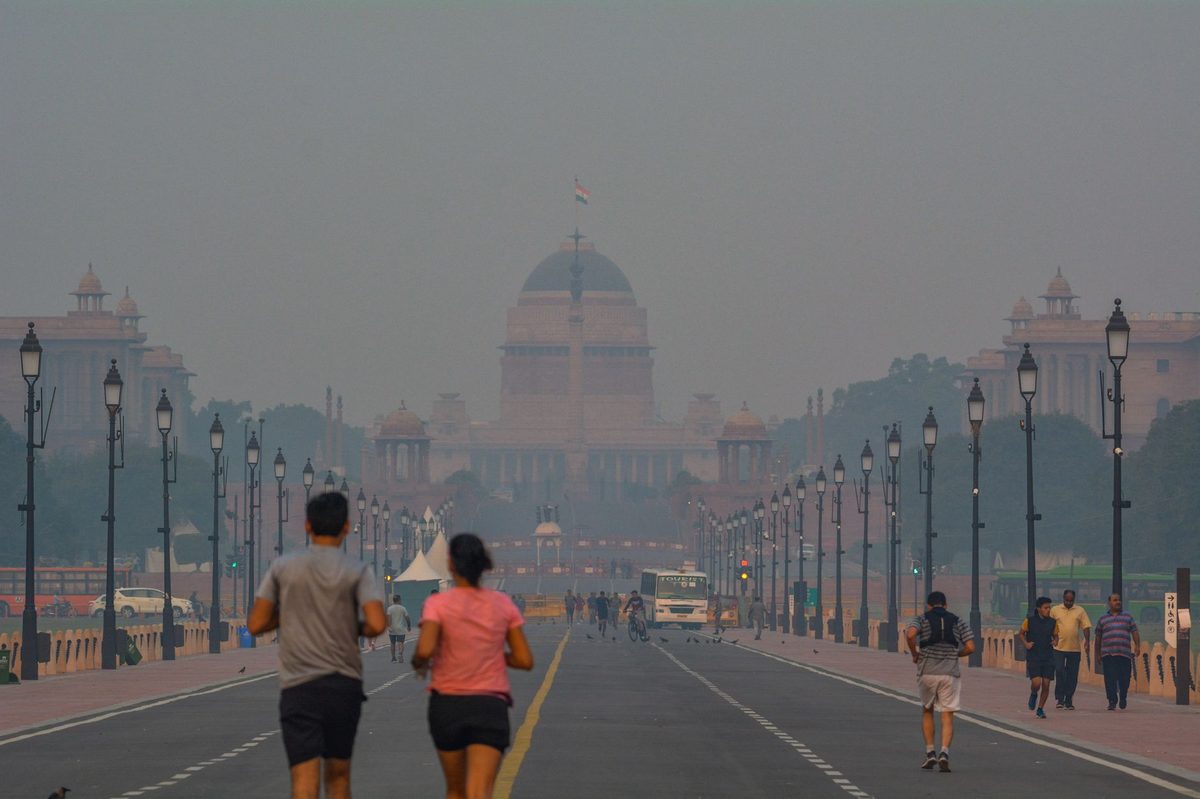
Every winter, Delhi's residents breathe air that at times runs about 20 times above World Health Organization safety limits for fine particulate matter. On September 28, the city government announced its most sweeping advance-planned response: a six-week construction ban, a 50% work-from-home mandate for offices, and doubled parking fees.

The structural change is in the scheduling. Where Delhi's older Graded Response Action Plan imposed curbs only after the air turned hazardous, often with sudden halts, the new fixed-calendar plan sets restrictions in advance. Enforcement also scales up, to 334 teams backed by an AI command centre and 60 monitoring stations.

Why it matters

Delhi's winter curbs now start on a set calendar, not after the air turns toxic — and 60% of the pollution arrives from outside the city.

Questions about this story

Free account needed to ask — your question is kept and asked for you right after sign-up. Answers are public.

No questions yet — be the first to ask.

Key Indicators

42 days
Complete construction and demolition ban
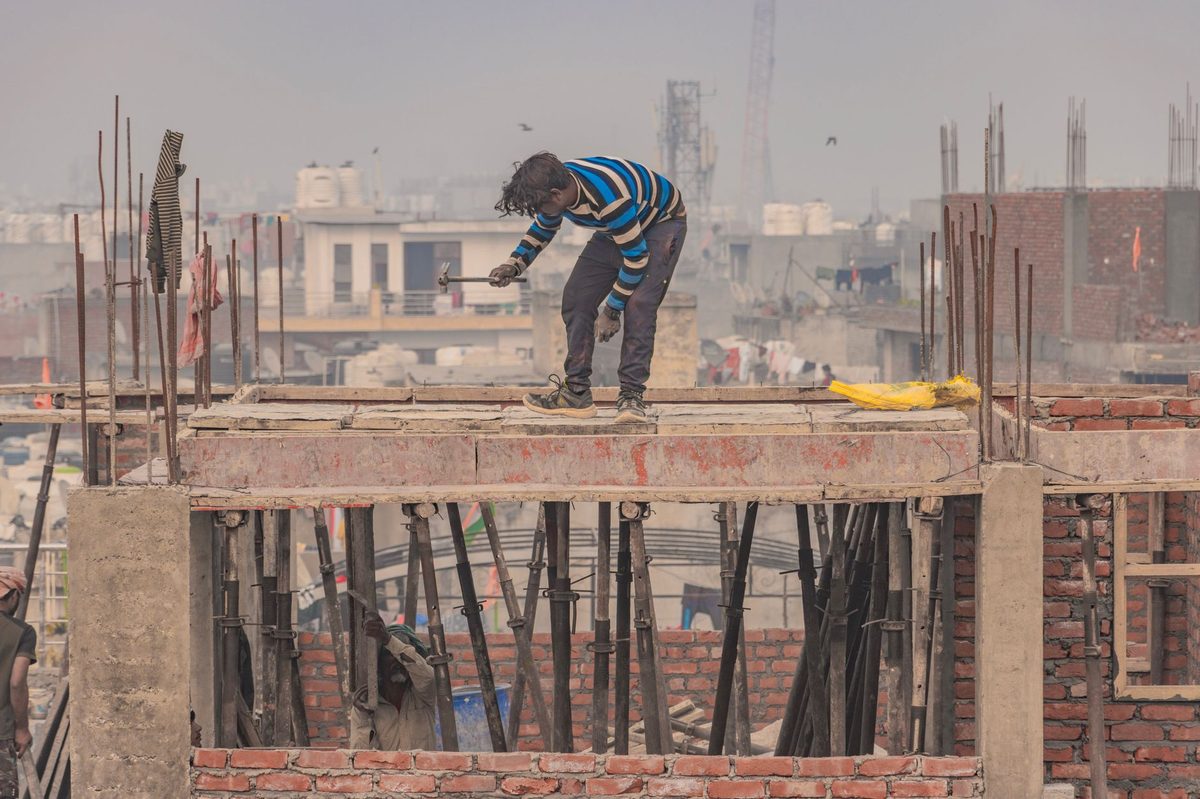
Full freeze on all construction and demolition work from December 10, 2026 to January 20, 2027.
50%
Work-from-home mandate for government and private offices
Half of staff work remotely through the winter pollution period to cut peak-hour commuting.
334
Enforcement teams
256 ward-level teams plus 78 Delhi Pollution Control Committee teams, backed by PTZ cameras.
60
Continuous air quality monitoring stations
Up from 47 stations, feeding an AI-enabled command-and-control centre.
2,283
Polluting industrial units closed or sealed
From 11,271 units surveyed between December 2025 and September 26, 2026.

Voices

Curated perspectives — historical figures and your fellow readers.

Ever wondered what historical figures would say about today's headlines?

Sign up to generate historical perspectives on this story.

People Involved

Organizations Involved

Timeline

September 2026 February 2027

6 events Latest: 2 days ago
Tap a bar to jump to that date
  1. Staggered office timing period ends

    Upcoming Policy End

    The work-from-home mandate and staggered office schedules wind down, closing the winter action plan window.

  2. Dust and vehicle restrictions end

    Upcoming Policy End

    The outdoor civil construction ban and the BS-VI entry restriction for non-Delhi vehicles conclude for the season.

  3. Complete construction ban lifts

    Upcoming Policy End

    The full construction and demolition freeze ends, though dust-generating outdoor work remains restricted through January 31.

  4. Full construction and demolition ban begins

    Upcoming Policy Implementation

    Six-week freeze on all construction and demolition work in Delhi, with exceptions only for urgent government and emergency projects.

  5. First winter curbs take effect

    Upcoming Policy Implementation

    BS-VI entry ban for non-Delhi vehicles, doubled parking fees, staggered office hours and the dust-generating demolition ban begin.

  6. Delhi unveils fixed-calendar winter action plan

    Latest Policy Announcement

    City announces six-week construction ban, 50% work-from-home mandate, staggered office hours and doubled parking fees for winter.

Scenarios

1

Winter smog eases under the fixed calendar

Possible Resolves by Feb 28, 2027

Discussed by: Delhi government officials and The Hindu's coverage of the plan

If the pre-committed curbs hold and the 334 enforcement teams keep construction and vehicle rules in force, Delhi's December-January AQI could come in below recent winters. The plan's own monitoring, with 60 stations and an AI command centre, would show the effect. This is the outcome the government is aiming for.

2

Emergency grade restrictions escalate anyway

Possible Resolves by Feb 28, 2027

Discussed by: CAQM's existing Graded Response Action Plan framework

The calendar plan runs alongside the Graded Response Action Plan. If pollution hits severe or severe-plus levels despite the advance curbs, CAQM can escalate to Stage II, III or IV, adding odd-even vehicle rotation, school closures and extended construction halts. The new plan reduces but does not eliminate the chance of these emergency steps.

3

Enforcement gaps trigger court intervention

Unlikely Resolves by Feb 15, 2027

Discussed by: Past winters' journalism and Delhi High Court monitoring

Delhi has struggled to enforce construction bans, and the complete freeze from December 10 could draw violations. If compliance lags, the Delhi High Court, which has repeatedly monitored pollution enforcement, may issue directives citing non-enforcement. The plan's own pollution-sealing of 2,283 industrial units shows the scale of the enforcement challenge.

Historical Context

2 moments from history that rhyme with this story — and how they unfolded.

2017 - 2025

The Graded Response Action Plan (2017-2025)

India's central government created the Graded Response Action Plan to stage air quality restrictions in Delhi by severity, imposing curbs only after pollution reached set thresholds.

Then

The system triggered sudden construction halts and traffic restrictions with little advance notice to residents and businesses.

Now

The unpredictability became a central complaint, prompting the shift to a calendar-based approach.

Why this matters now

The new winter action plan is designed to replace that unpredictability, setting restrictions on a fixed schedule while keeping the graded plan as a backstop for emergencies.

November 2024 - January 2025

Delhi's 2024-25 winter curbs (2024-2025)

Delhi implemented work-from-home mandates, vehicle entry restrictions and other curbs in the 2024 and 2025 winter seasons, ahead of the calendar-based plan formalized in 2026.

Then

Restrictions were piecemeal and tied to the reactive Graded Response Action Plan, which activated only as pollution spiked.

Now

The experience built the case for a fixed calendar that gives residents and businesses advance notice.

Why this matters now

This winter's plan hardens those earlier, reactive measures into a pre-committed schedule running from November 1 to January 31.

Sources

(11)