

Pull to refresh
Logo
Columbia opens 313-bed residence hall reserved for nontraditional students

Columbia opens 313-bed residence hall reserved for nontraditional students

Built World New York, NY local

The university paid $122 million for 99 Claremont Avenue and gave every bed to its School of General Studies.

Overview

Updated 27 minutes ago

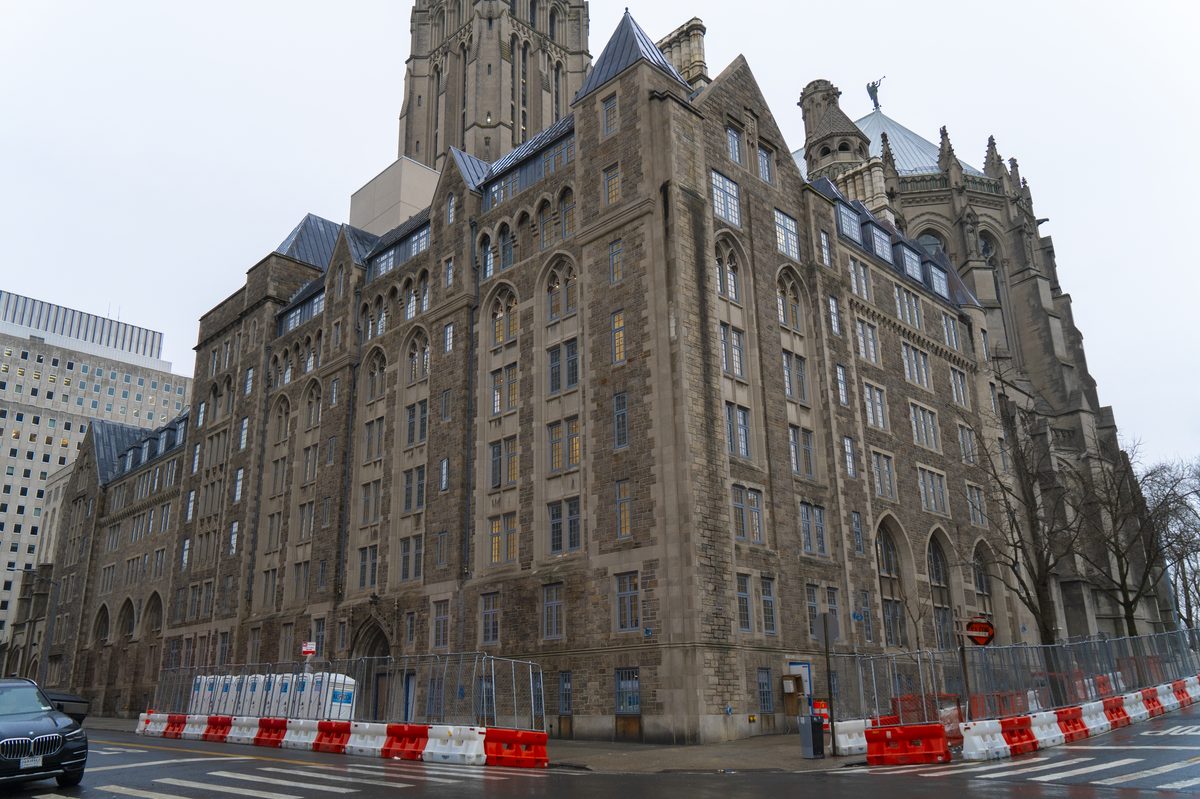
Columbia University has finished work on 99 Claremont Avenue, a seven-story residence hall in Morningside Heights with 313 beds. All of them are reserved for undergraduates in the School of General Studies, Columbia's college for students who did not go to university straight out of high school.

The university paid $122 million for the property, according to New York YIMBY, and added a fitness center, a shared chef's kitchen and a rooftop garden. Dedicating an entire building to one program gives General Studies students a block of beds that other Columbia undergraduates cannot claim.

Why it matters

Columbia spent $122 million to house one program's students, showing how far a Manhattan university will go to secure beds near campus.

Last Monday's email for New York, NY

Sent Nov 23. It carried:

Get next Monday's: one short email a week. Free. Unsubscribe in one click.

Questions about this story

Free account needed to ask — your question is kept and asked for you right after sign-up. Answers are public.

No questions yet — be the first to ask.

Key Indicators

313
Beds in the new hall
Every bed is reserved for School of General Studies undergraduates.
$122M
Purchase price
What Columbia paid for the 99 Claremont Avenue property.
7
Stories
Height of the finished residence hall.

Voices

Curated perspectives — historical figures and your fellow readers.

Sign up to generate historical perspectives on this story.

Organizations Involved

Timeline

1 event Latest: Yesterday
  1. 99 Claremont Avenue opens as a General Studies residence hall

    Latest Built World

    Columbia finishes a seven-story, 313-bed hall bought for $122 million, with every bed reserved for School of General Studies undergraduates.

Scenarios

1

Columbia buys a second building and reserves it for one program

Possible Resolves by End of 2028

Discussed by: Property-trade press including New York YIMBY, which documented the $122 million purchase

The dedicated-building model is expensive but simple: buy, convert, assign. If General Studies enrollment keeps growing and the 313 beds fill, the cheapest way to add capacity is another purchase. Watch for Columbia filings and trade-press reports of additional Manhattan acquisitions tied to a single school.

2

99 Claremont stays General Studies-only past the first academic year

Likely Resolves by Sep 15, 2027

Discussed by: No named analyst; the test is Columbia's own published housing eligibility

Universities often open a dedicated building and later fold it into the general housing pool when demand shifts. The question is whether the reservation survives contact with waiting lists from other Columbia schools. Columbia's housing pages for each academic year will say who can apply.

3

Local officials formally oppose Columbia's next dormitory conversion

Unlikely Resolves by Q2 2028

Discussed by: Neighborhood and preservation groups that have contested Columbia expansion since the 1960s

Every Columbia acquisition in Morningside Heights draws scrutiny over rents, construction noise and the conversion of rental apartments into institutional beds. A formal resolution from the local community board would signal that the next purchase faces a public fight rather than a quiet closing.

Historical Context

3 moments from history that rhyme with this story — and how they unfolded.

1968

Columbia's Morningside Park gymnasium (1968)

Columbia planned a gymnasium in Morningside Park, a city park that borders the campus. The design gave the university most of the facility and the surrounding neighborhood a small separate entrance. Construction began in February 1968, and protests grew through the spring.

Then

Students occupied Hamilton Hall and four other buildings in April 1968. Police cleared them a week later, injuring dozens and arresting hundreds. The gym was never built.

Now

The protests changed how Columbia makes building decisions, adding faculty and student representation to campus governance, and became a national reference point for university expansion disputes.

Why this matters now

It shows how quickly a university building project can become a neighborhood fight. Columbia is now buying existing buildings rather than taking parkland, but the politics of who benefits from its real estate still run through Morningside Heights.

2003-2016

Columbia's Manhattanville expansion (2003-2016)

Columbia assembled roughly 17 acres in West Harlem for a second campus, relying on a state economic development corporation to approve the use of eminent domain for property it could not buy. Holdout owners and tenants fought the plan in court.

Then

New York's Court of Appeals upheld the eminent domain use in 2010. Demolition and construction followed, and the first building opened in 2016.

Now

The case became a local test of how far a private university could go to assemble land, and it set the pattern Columbia still follows: buy property, secure government backing, build.

Why this matters now

99 Claremont Avenue is the same strategy at a much smaller scale. Columbia bought a single building outright rather than assembling a district, but the goal is identical: control the land under its students.

2013-2017

Yale's two new residential colleges (2013-2017)

Yale built two new residential colleges, Benjamin Franklin and Pauli Murray, the first expansion of its undergraduate housing system since 1962. The colleges opened in 2017 and enlarged Yale College by roughly 15 percent.

Then

Yale added about 800 undergraduate places without a significant public fight over land or zoning.

Now

The expansion let Yale admit more students without shrinking its guarantee of four years of campus housing.

Why this matters now

It is the quiet version of what Columbia just did: add beds first, then let enrollment follow. Yale's project went through because it built on land the university already controlled.

Sources

(1)