
Pull to refresh
Logo
New construction worsens years of flooding on a Staten Island road

New construction worsens years of flooding on a Staten Island road

Built World New York, NY local

Runoff from a cleaned-up industrial site turned warehouse is adding to a drainage problem the city has not solved

Overview

Updated 47 minutes ago

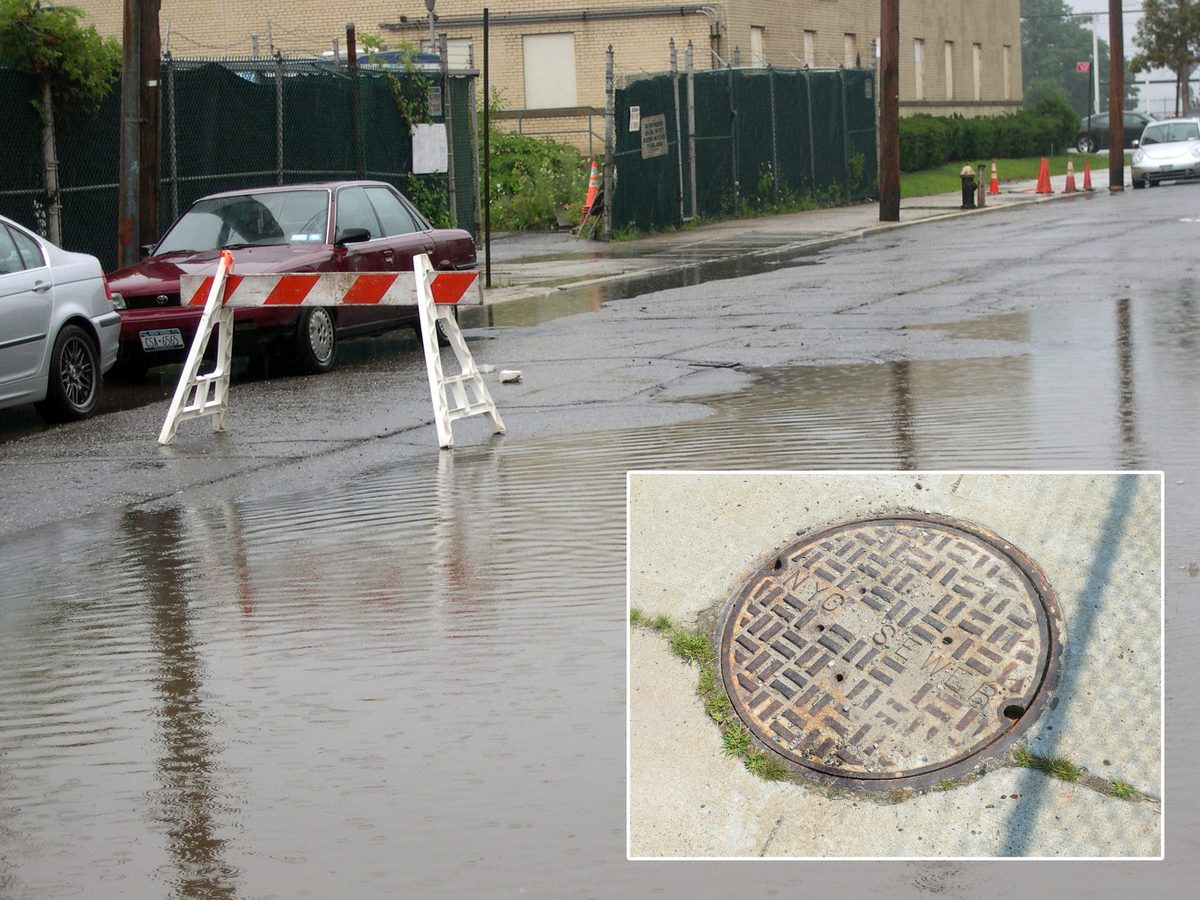
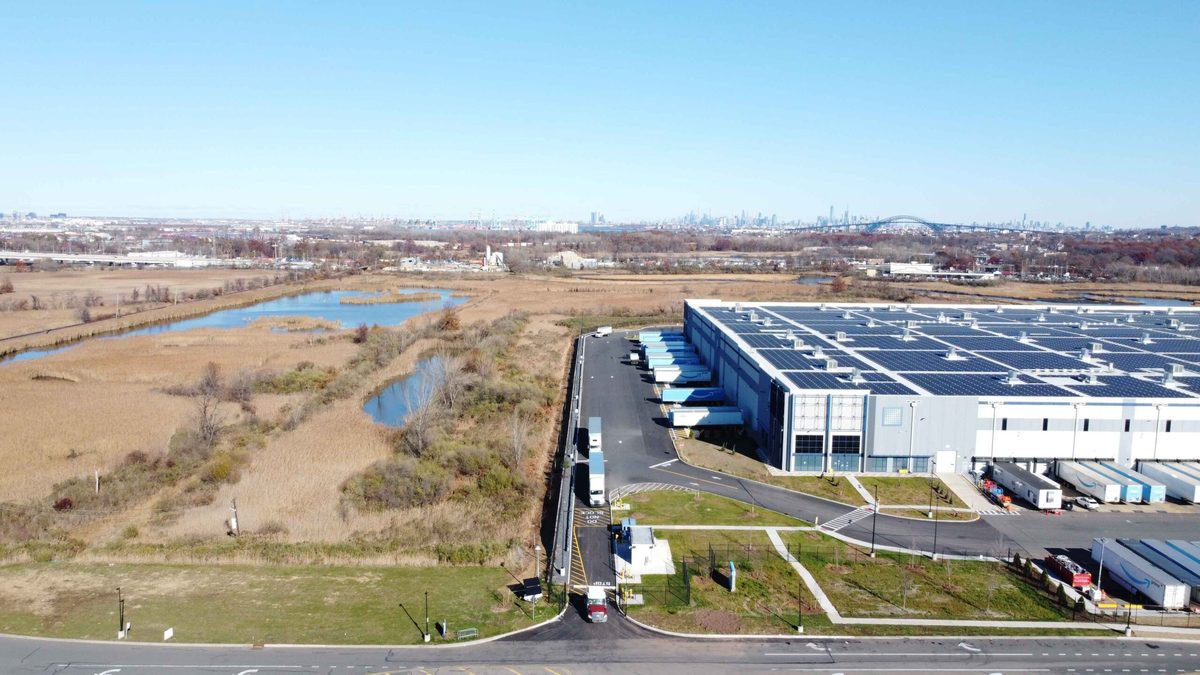
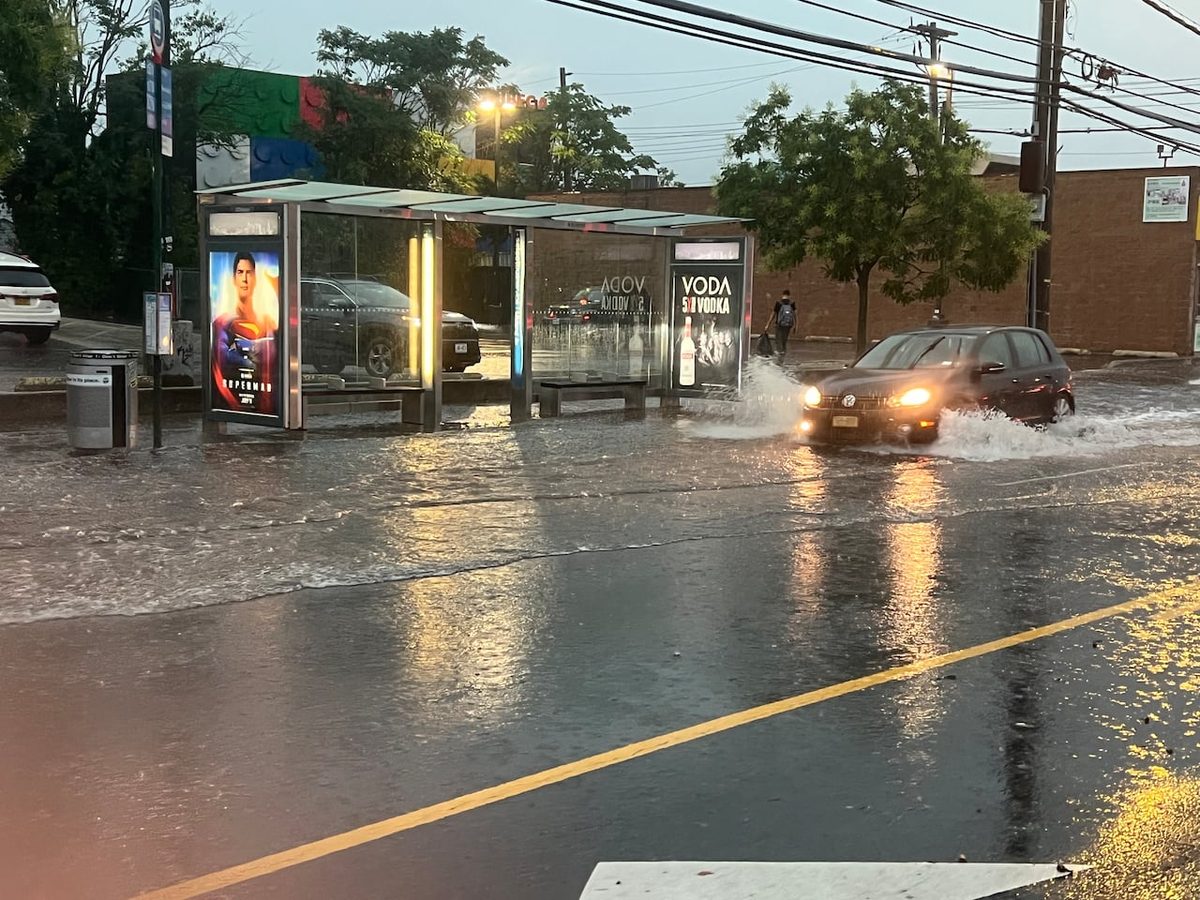
Drivers on a Staten Island road have dealt with flooding for years. New construction on a former contaminated site, now a large warehouse, has made it worse, according to SILive.com.

The mechanism is impervious cover: a cleaned-up industrial parcel gets a building and parking where open ground once absorbed rain. Water now runs off the site toward drains sized for a much smaller load, and about 60% of New York City's sewers carry sewage and stormwater in the same pipe.

Why it matters

Every redeveloped brownfield adds runoff; without upgraded drains, the flooding moves to the next street.

Last Monday's email for New York, NY

Sent Nov 23. It carried:

Get next Monday's: one short email a week. Free. Unsubscribe in one click.

Questions about this story

Free account needed to ask — your question is kept and asked for you right after sign-up. Answers are public.

No questions yet — be the first to ask.

Key Indicators

~60%
Share of New York City's sewers that combine sewage and stormwater
Combined pipes have little spare room when heavy rain exceeds their design capacity.
20+ years
Time a Staten Island storm sewer upgrade had been pending, as of 2018
A Rosebank sewer proposal near Bay Street and Willow Avenue was still unfinished more than two decades after it was floated.
1
Redeveloped parcel now draining toward the road
A formerly contaminated property was cleaned up and built out as a warehouse.

Voices

Curated perspectives — historical figures and your fellow readers.

Sign up to generate historical perspectives on this story.

Organizations Involved

Timeline

July 2018 November 2026

2 events Latest: Today
  1. Drivers report years of flooding, worsened by new construction

    Today Report

    SILive.com reported that new construction on a former contaminated site turned warehouse made flooding on a Staten Island road worse.

  2. Daily News reports a Staten Island sewer stuck for 20 years

    Report

    Flooding near Bay Street and Willow Avenue in Rosebank had persisted more than two decades while a storm sewer proposal sat unfinished.

Scenarios

1

City funds a sewer upgrade for the flooded corridor

Possible Resolves by Q2 2028

Discussed by: SILive.com and residents quoted in local coverage point to capital drainage work as the remedy

A fix would follow the path every city drainage project takes: design money, a line in the ten-year capital strategy, then a construction schedule from the Department of Design and Construction. That process routinely runs a decade or more, as the Rosebank sewer shows.

2

Property owner adds on-site stormwater detention

Possible Resolves by Q3 2027

Discussed by: City stormwater rules for redevelopment make on-site retention the standard remedy

The site's owner could file a revised stormwater management plan with the Department of Environmental Protection, adding detention basins, permeable pavement or a controlled release so runoff leaves the parcel more slowly. This is the faster path, and it depends on the developer rather than the city.

3

The road floods again in the next heavy storm

Likely Resolves by End of 2027

Discussed by: Residents who say flooding has recurred for years without a permanent fix

Nothing changes, and the next storm that drops enough rain in a short window sends water over the road again. This is the default outcome while drainage capacity stays where it is.

Historical Context

2 moments from history that rhyme with this story — and how they unfolded.

1990s to July 2018

Willow Avenue storm sewer, Rosebank (1990s-2018)

Residents near Bay Street and Willow Avenue on Staten Island dealt with flooding during heavy rain for more than 20 years while a proposed storm sewer sat unfinished. Some drains were eventually installed, and the street flooded less than it had a few years earlier, but water still covered it in storms.

Then

Partial drainage work reduced but did not end the flooding.

Now

The case became the local shorthand for how long New York City drainage projects take, from proposal to concrete.

Why this matters now

Same borough, same mechanism: a road floods for years while the capital fix moves slowly, and each new storm resets the complaint.

September 2021

Hurricane Ida remnants in New York City (2021)

The remnants of Hurricane Ida dropped record rain on New York City on September 1, 2021. Central Park recorded 3.15 inches in a single hour. Water overwhelmed sewers and streets, and 13 people died in the city, most of them in basement apartments.

Then

The city published stormwater and cloudburst plans and began treating extreme rainfall as a design problem rather than an anomaly.

Now

Stormwater capacity moved up the capital agenda, though construction of new drainage still runs on multi-year schedules.

Why this matters now

Ida showed what happens citywide when rainfall outruns sewer capacity. A single redeveloped parcel sending extra runoff to an undersized street sewer is the same failure at block scale.

Sources

(2)