
Pull to refresh
Logo
FEMA says it will shift disaster recovery costs to states

FEMA says it will shift disaster recovery costs to states

Rule Changes New York, NY local

New York, which got $23.8 billion in FEMA aid over 15 years, says it can't take on the cost alone

Yesterday: Report details New York's at-risk FEMA aid

Overview

Updated 1 hour ago

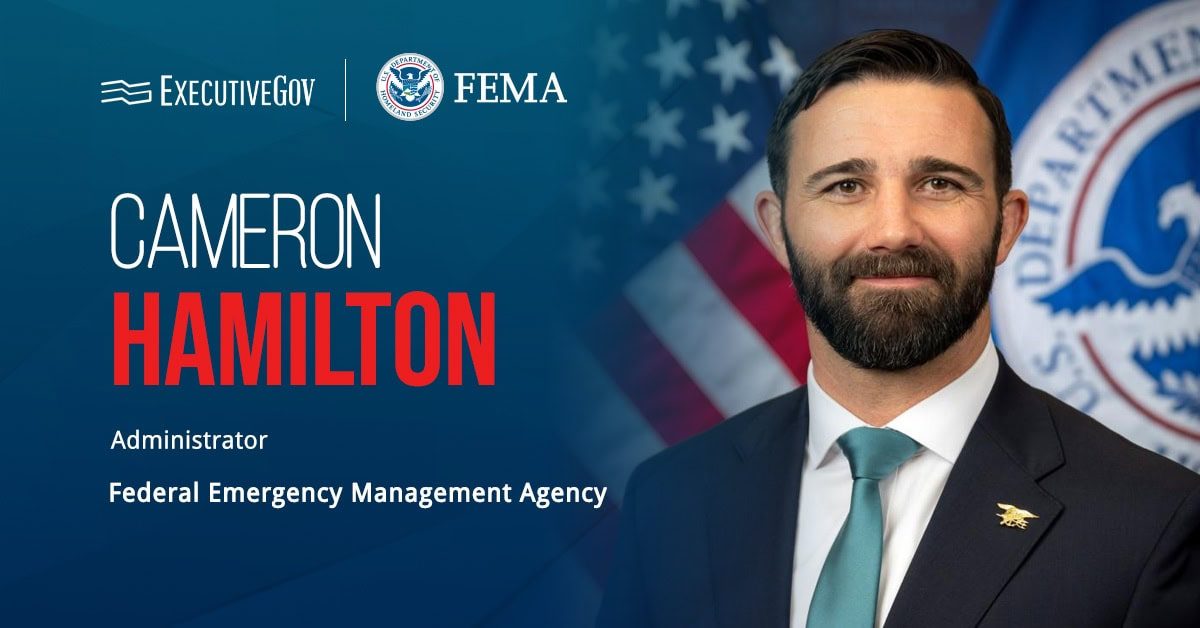
New York could be on its own after the next Superstorm Sandy. FEMA Administrator Cameron Hamilton told state emergency managers this week that the agency will shift disaster preparation and recovery costs to states within six months.

The shift isn't official yet. It follows a pattern of cuts: FEMA denied 26 percent of disaster declaration requests this year, cut its workforce 17 percent, and canceled billions in mitigation grants.

New York received $23.8 billion in FEMA aid over the past 15 years. State and city officials say they can't replace that money on their own.

Why it matters

If FEMA stops covering post-disaster recovery, New York loses billions in aid after the next major storm, and the bill falls to state taxpayers.

Monday: what changed in New York, NY

One short email a week with the openings, closings, permits and council votes we covered. Free. Unsubscribe in one click.

Questions about this story

Free account needed to ask — your question is kept and asked for you right after sign-up. Answers are public.

No questions yet — be the first to ask.

Key Indicators

$23.8B
FEMA aid to New York over 15 years
Includes responses to Hurricane Irene, Superstorm Sandy, COVID-19, Hurricane Ida, and Tropical Storm Lee.
26%
Disaster declaration denial rate
Up from 12 percent the prior year, per the Brennan Center for Justice.
17%
FEMA workforce reduction
Staff cut directly or indirectly between 2025 and 2026.
$400M
Canceled New York flood protection grants
Trump administration canceled these grants, further reducing state resiliency.

Voices

Curated perspectives — historical figures and your fellow readers.

Ever wondered what historical figures would say about today's headlines?

Sign up to generate historical perspectives on this story.

People Involved

Organizations Involved

Timeline

October 2012 October 2026

7 events Latest: Yesterday
Tap a bar to jump to that date
  1. Report details New York's at-risk FEMA aid

    Latest Report

    The City Reporter publishes report: New York's $23.8 billion in FEMA aid at risk

  2. Hamilton signals FEMA cost-shift

    Statement

    Hamilton tells state emergency managers FEMA will shift disaster costs to states within six months

  3. FEMA denies New York disaster declaration

    Policy

    FEMA denies New York's major disaster declaration for February storms

  4. FEMA releases $2B in COVID funds for New York

    Funding

    FEMA releases $2 billion in long-delayed COVID funds for New York

  5. Severe winter storms hit New York

    Natural Disaster

    Severe winter storms hit New York

  6. FEMA cancels BRIC program

    Policy

    Trump administration cancels BRIC mitigation program, refusing $750 million in grants

  7. Hurricane Sandy hits New York

    Natural Disaster

    Hurricane Sandy kills 44 New Yorkers, causes billions in damage

Scenarios

1

FEMA makes the cost-shift official within six months

Likely Resolves by Apr 20, 2027

Discussed by: Politico (first reported Hamilton's remarks); The City Reporter

Hamilton said the shift would happen within six months. If FEMA follows through with a formal rule or policy, states would take on a larger share of disaster recovery costs. This aligns with the administration's broader push to reduce federal involvement in disaster response, expressed through canceled grants and denied declarations. No formal rule has been issued yet.

2

Congress blocks the shift through legislation

Possible Resolves by Q1 2027

Discussed by: Brennan Center for Justice; Reps. Grace Meng, Mike Lawler

Congress has historically strengthened FEMA after disasters. Lawmakers from both parties, including New York's delegation, could attach riders to appropriations bills or pass stand-alone legislation requiring FEMA to maintain its post-disaster cost-share. Recent court victories already barred FEMA from ending BRIC grants outright, suggesting legal and political pushback can slow the administration.

3

Courts block or delay the shift

Possible Resolves by Q2 2027

Discussed by: Brennan Center for Justice; Revolving Door Project

Legal challenges could follow any formal FEMA rule, similar to the lawsuits that barred the administration from ending BRIC grants. A federal court could issue an injunction on grounds that the shift violates FEMA's statutory mandate to coordinate disaster response or exceeds the agency's authority. Such a ruling would likely delay implementation but could still leave states with reduced funding in the interim.

Historical Context

3 moments from history that rhyme with this story — and how they unfolded.

August 2005

Hurricane Katrina (2005)

Category 3 hurricane hit the Gulf Coast, overwhelming levees in New Orleans and killing nearly 1,400 people. FEMA's slow, disorganized response became a national scandal.

Then

FEMA was reorganized within the Department of Homeland Security, and Congress increased disaster funding and created new preparedness programs.

Now

The failure became the benchmark for what happens when federal disaster response collapses. Congress has since consistently expanded FEMA's role, not contracted it.

Why this matters now

Today's shift moves the opposite direction, unraveling the post-Katrina consensus that the federal government leads disaster response.

October 2012

Hurricane Sandy (2012)

Superstorm Sandy hit New York and New Jersey, killing 44 New Yorkers and causing tens of billions in damage. FEMA staged supplies, deployed personnel, and the president signed emergency declarations before and after the storm.

Then

FEMA delivered $1.4 billion in aid to 182,000 people across the region, drawing bipartisan praise.

Now

Sandy set a precedent that the federal government backs up state and local disaster recovery in the New York metro area.

Why this matters now

New York officials point to Sandy as proof that the state can't handle major storms alone, even with FEMA's help.

October 2018

Disaster Recovery Reform Act (2018)

Congress passed and President Trump signed the law creating the Building Resilient Infrastructure and Communities (BRIC) grant program, a $1 billion pre-disaster mitigation fund.

Then

BRIC represented a shift toward preparing for disasters before they happen, with every dollar spent saving an estimated $13 in future losses.

Now

The program was the federal government's largest investment in pre-disaster mitigation.

Why this matters now

In 2025, the Trump administration canceled BRIC, refusing to award $750 million. The shift away from post-disaster funding is the next step in the same retreat.

Sources

(3)