
1935-1943
Works Progress Administration Federal Art Project (1935-1943)
As part of the New Deal, the U.S. government paid thousands of artists to create murals, posters, photographs and theater productions during the Great Depression. The program put money into cultural work when private funding had collapsed.
Then
It left public art in federal buildings and gave many artists their first steady paycheck.
Now
The project ended as World War II shifted federal spending, but it set a precedent for direct government support of cultural institutions.
Why this matters now
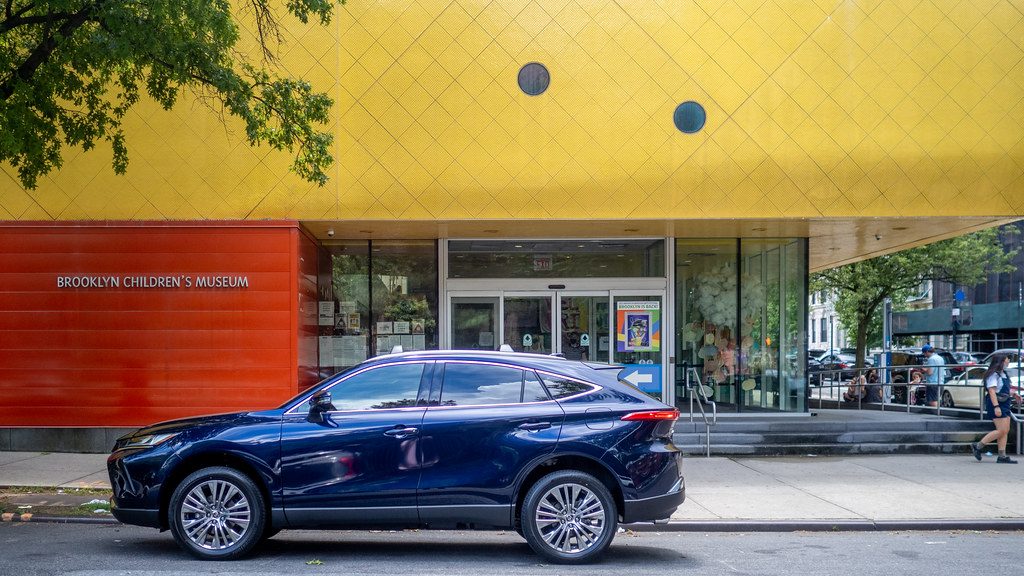
The Brooklyn grants are smaller and state-run, but they follow the same idea: public money can fund cultural infrastructure that private donors may not cover.