

Pull to refresh
Logo
New York finishes $34.7 million makeover of two busy highways before holiday travel

New York finishes $34.7 million makeover of two busy highways before holiday travel

Built World New York, NY local

The governor's office says more than 167,000 motorists use the two corridors every day

Overview

Updated 22 minutes ago

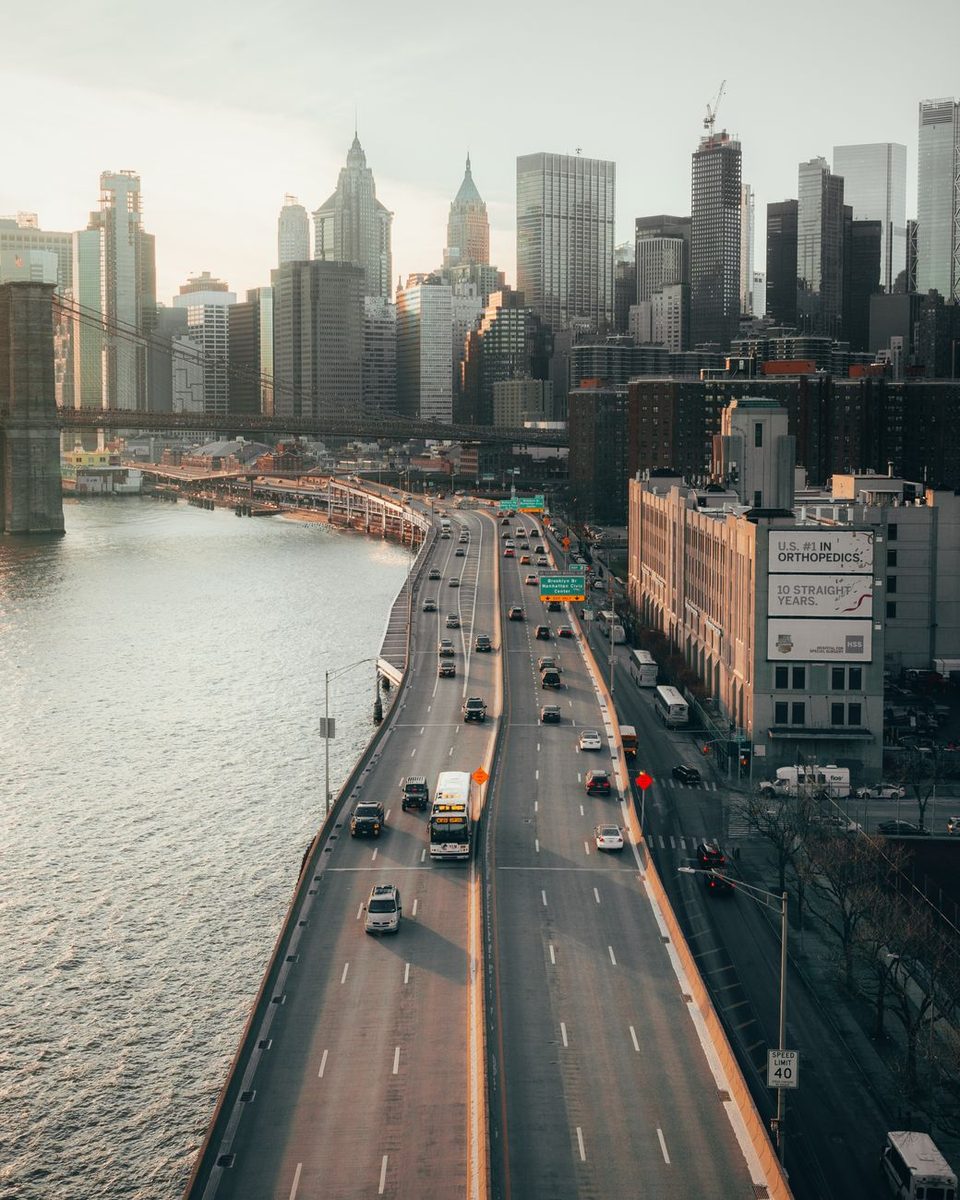
Two busy New York highway corridors have finished a $34.7 million makeover, timed to wrap before the holiday travel season. The governor's office says more than 167,000 motorists use the two roads each day.

The report landed on November 25, the day before Thanksgiving, when traffic on state roads climbs toward its yearly peak. The initial account did not name the two corridors, describe the work, or say when construction started.

Why it matters

More than 167,000 daily drivers get a freshly finished road just as holiday traffic peaks.

Last Monday's email for New York, NY

Sent Nov 23. It carried:

Get next Monday's: one short email a week. Free. Unsubscribe in one click.

Questions about this story

Free account needed to ask — your question is kept and asked for you right after sign-up. Answers are public.

No questions yet — be the first to ask.

Key Indicators

$34.7M
Project cost
Total spent on the makeover of the two highway corridors, as reported by the governor's office.
167,000
Daily motorists
Vehicles traveling the two corridors each day, according to the governor's office.
2
Highway corridors in the project
The number of roads covered by the $34.7 million makeover.

Voices

Curated perspectives — historical figures and your fellow readers.

Sign up to generate historical perspectives on this story.

Organizations Involved

Timeline

1 event Latest: Yesterday
  1. State wraps $34.7M makeover on two highways

    Latest Infrastructure

    The governor's office says the two corridors carry more than 167,000 motorists daily and were finished before the holiday travel season.

Scenarios

1

State rolls out another highway makeover for the 2027 construction season

Likely Resolves by Q2 2027

Discussed by: State transportation watchers and regional press who track annual paving schedules

New York's paving program runs on yearly contract cycles, so a completed project in November is usually followed by a fresh list of jobs for the spring. If the state keeps spending at this rate, expect another corridor announcement, possibly timed to the same pre-holiday window.

2

Fresh pavement fails within two years and the state repaves the same stretches

Possible Resolves by Nov 25, 2028

Discussed by: Civil engineers and highway maintenance analysts who track pavement life in cold-winter states

New York's freeze-thaw winters are hard on asphalt, and a single bad season can shorten a new surface's life. If the work was a thin overlay rather than a full rebuild, sections can fail early and go back into the repair queue within a couple of years.

3

No further detail ever surfaces on what the money bought

Uncertain Resolves by May 31, 2027

Discussed by: Local accountability reporters who track state contract disclosure

State road announcements often arrive as a cost figure and a traffic count, with no breakdown of the work. If no contract record, project scope or corridor list follows, the announcement stays a headline rather than a documented project.

Historical Context

2 moments from history that rhyme with this story — and how they unfolded.

November 2021

Infrastructure Investment and Jobs Act (2021)

Congress passed and President Biden signed a five-year, roughly $1.2 trillion infrastructure law that sent a large share of new federal money to state highway departments. States got multi-year road funding they could plan around instead of year-to-year awards.

Then

States added paving and bridge jobs to construction schedules they had already drafted.

Now

Federal money became the assumed base of most large state road programs, tying local projects to annual appropriations fights in Washington.

Why this matters now

It sets how much road money a state like New York has available to schedule projects of this size.

February 2009

American Recovery and Reinvestment Act (2009)

A $787 billion stimulus package included billions for 'shovel-ready' highway work, with repaving favored because crews could start within weeks. States raced to get projects approved fast enough to count.

Then

States repaved large stretches of highway across the 2009 and 2010 construction seasons.

Now

The program became the reference point for judging whether public road spending arrives fast enough to matter, a test state agencies still answer to.

Why this matters now

It explains why finished pavement is announced as a countable deliverable, often timed to a travel date.

Sources

(1)