

Pull to refresh
Logo
Steam leak coats Brooklyn NYCHA walls with asbestos dust

Steam leak coats Brooklyn NYCHA walls with asbestos dust

Built World New York, NY local

Residents of 23 apartments offered relocation after tests confirm asbestos; heat restored to most buildings

Overview

Updated 1 hour ago

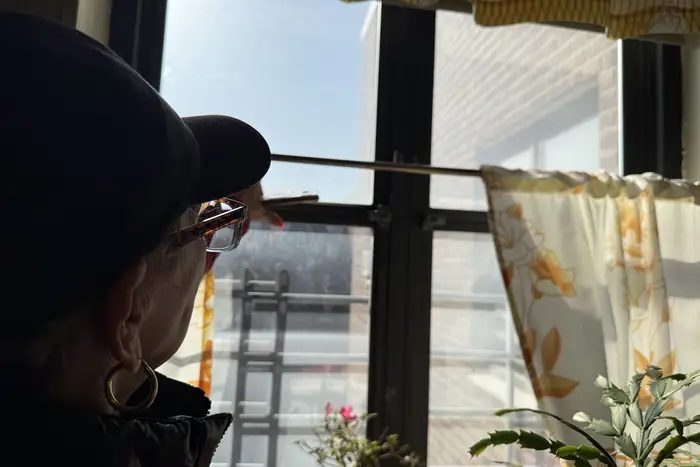
A steam leak from an underground line at Brooklyn's Marcy Houses coated exterior walls and windows of two apartment buildings with asbestos-laced dust. Residents of 23 apartments along the affected facade were offered temporary relocation, but only four had left as of Thursday.

The same leak knocked out heat in nine buildings, a reminder of the aging infrastructure that NYCHA, the nation's largest public housing authority, has struggled to maintain. The city says it is addressing the health and safety risk first.

Why it matters

Asbestos exposure in homes poses a health risk to tenants, and this incident highlights how deferred maintenance in public housing leaves residents unsafe.

Monday: what changed in New York, NY

One short email a week with the openings, closings, permits and council votes we covered. Free. Unsubscribe in one click.

Questions about this story

Free account needed to ask — your question is kept and asked for you right after sign-up. Answers are public.

No questions yet — be the first to ask.

Key Indicators

23
Affected apartments
Apartments along exterior walls where asbestos residue was found
4
Residents relocated
Of 23 offered relocation, only 4 had left as of Oct 29
9
Buildings without heat
Buildings affected by the steam leak before restoration
234
Apartments heat restored
NYCHA restored heat to these units by Wednesday

Voices

Curated perspectives — historical figures and your fellow readers.

Sign up to generate historical perspectives on this story.

People Involved

Organizations Involved

Timeline

2 events Latest: Today
  1. Gothamist reports on asbestos dust; workers on site

    Today Incident Report

    Workers from NYCHA and the Department of Environmental Protection respond to Marcy Houses; mayor comments on WNYC; Digna Torres describes white dust coating windows.

  2. Residents receive asbestos notice; heat restored to some buildings

    Official Response

    NYCHA notified residents of 23 apartments about asbestos contamination and offered relocation; heat was restored to 234 apartments across four buildings.

Scenarios

1

NYCHA Completes Cleanup and Tests All Affected Apartments

Likely Resolves by Jan 31, 2027

Discussed by: City officials and tenant advocates

NYCHA follows through on its promise to clean asbestos residue from all 23 affected apartments and conducts air quality tests. Results are made public, and residents who relocated can return once tests pass.

2

Residents File Lawsuit Against NYCHA Over Asbestos Exposure

Possible Resolves by Q2 2027

Discussed by: Gothamist, legal observers

Alleging negligence in maintenance and failure to prevent the steam leak, tenants or a tenants' association file a lawsuit in federal court seeking damages for health risks and emotional distress.

3

Mayor's Office Announces Major NYCHA Capital Investment

Possible Resolves by End of 2027

Discussed by: WNYC, city budget analysts

Mayor Mamdani uses the incident to push for a significant funding increase for NYCHA infrastructure, promising repairs to aging steam lines and boilers. The city council passes a budget with new capital allocations.

Historical Context

One moment from history that rhymes with this story — and how it unfolded.

2017-2020

NYCHA Lead Paint Crisis (2018)

Federal prosecutors found NYCHA systematically falsified lead paint inspection records, exposing children to hazardous paint. A federal judge ordered a monitor to oversee remediation and appointed an independent monitor.

Then

NYCHA entered a consent decree, committed to improving inspections and transparency.

Now

NYCHA continues to operate under federal oversight, grappling with systemic maintenance failures.

Why this matters now

The asbestos incident mirrors the lead paint crisis: decades of deferred maintenance and underfunding create health hazards for public housing residents.

Sources

(1)