

Pull to refresh
Logo
Geely takes 30% stake in NIO's battery swapping unit

Geely takes 30% stake in NIO's battery swapping unit

Money Moves

Cross-investment merges rival charging networks into shared infrastructure

Today: NIO and Geely sign NIO Power deal

Overview

Updated 55 minutes ago

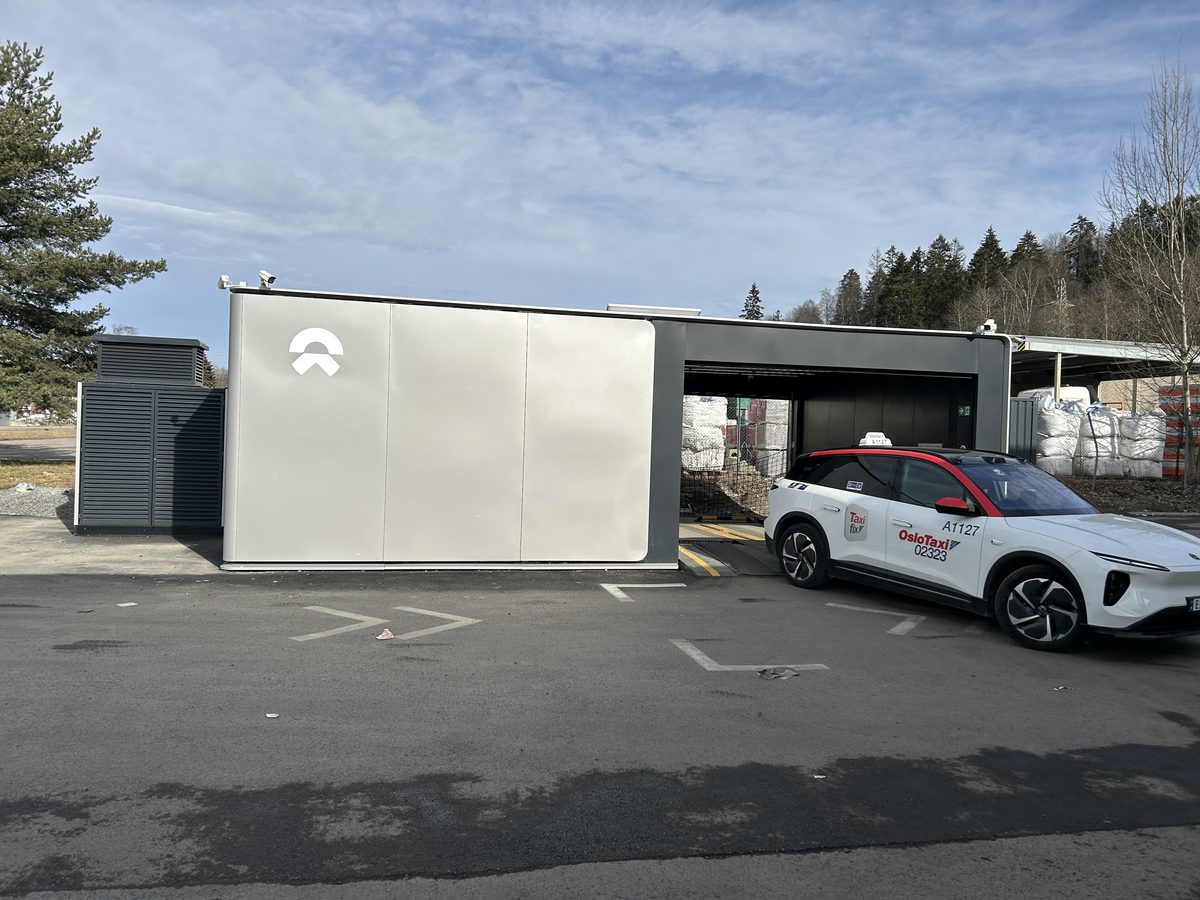
Geely Holding Group is buying 30% of NIO Power, the battery-swapping unit of rival EV maker NIO. The deal values the unit at about 16 billion yuan ($2.4 billion).

Geely is paying with its commercial battery-swap business, Yiyi Power, plus 640 million yuan in cash. NIO keeps control with a 63.6% stake, but the two networks become shared infrastructure.

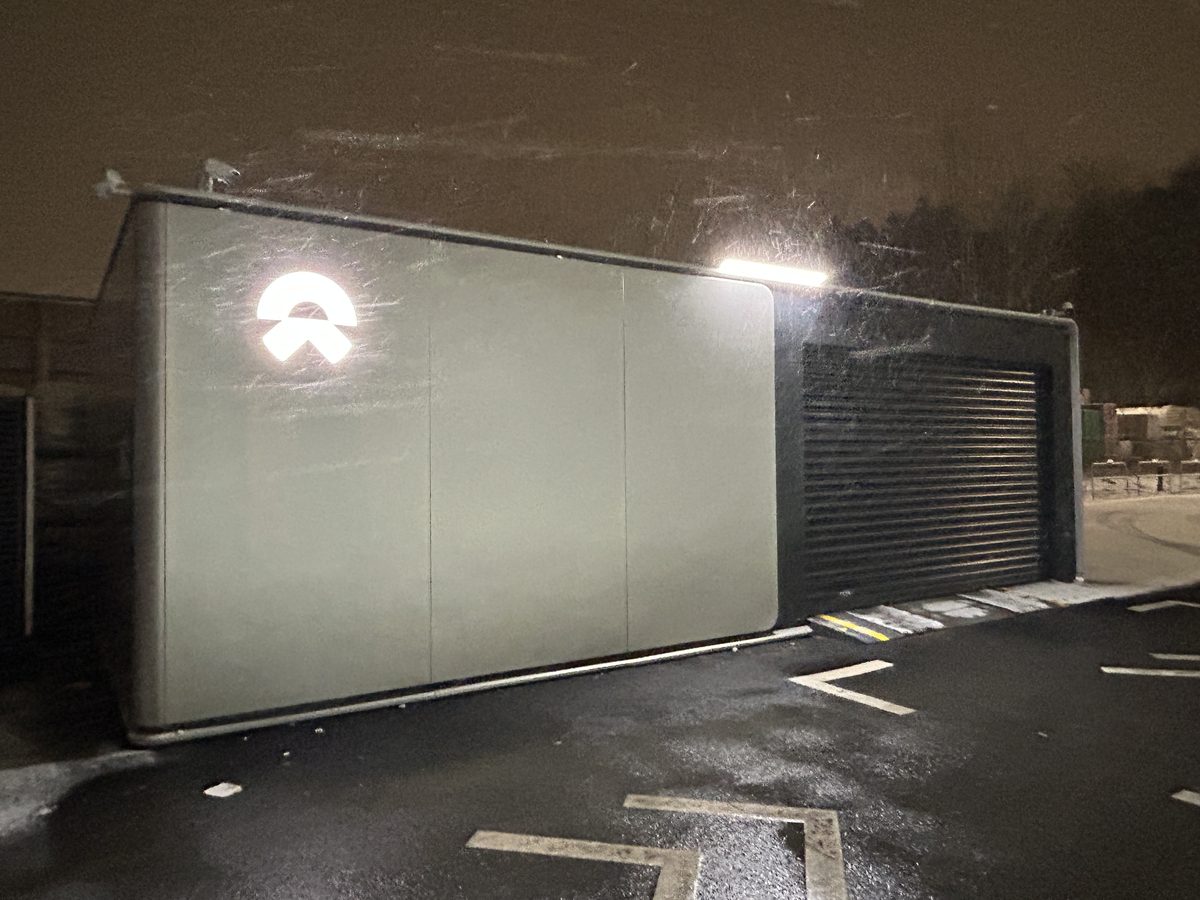
The partners plan unified battery-swap standards and swappable consumer cars, with NIO Power targeting 10,000 stations by 2030. Geely will develop battery-swappable models served by NIO Power.

Why it matters

If this closes, China's two biggest battery-swap networks merge into shared infrastructure, setting a unified standard for swappable EVs.

Questions about this story

Free account needed to ask — your question is kept and asked for you right after sign-up. Answers are public.

No questions yet — be the first to ask.

Key Indicators

$2.4B
Post-money valuation of NIO Power
Geely's 30% stake values the unit at about 16 billion yuan.
30%
Stake acquired by Geely
Geely contributes Yiyi Power plus 640 million yuan in cash.
63.6%
NIO China's controlling stake
NIO retains control of NIO Power after the deal.
10,000
Swap stations targeted by 2030
Annual electricity demand across the network is expected to exceed 10 billion kWh.
RMB640M
Cash consideration from Geely
Paid in addition to the Yiyi Power equity contribution.

Voices

Curated perspectives — historical figures and your fellow readers.

Ever wondered what historical figures would say about today's headlines?

Sign up to generate historical perspectives on this story.

People Involved

Organizations Involved

Timeline

2 events Latest: Today
  1. NIO and Geely sign NIO Power deal

    Today Deal

    Geely takes 30% of NIO Power for Yiyi Power plus 640 million yuan; NIO takes 10% of Haohan Energy.

  2. China releases 15th Five-Year Plan for EV industry

    Policy

    MIIT and eight other agencies call for better charging and battery-swap infrastructure, pushing anti-involution in the auto sector.

Scenarios

1

Geely exercises option, raises NIO Power stake to 34%

Possible Resolves by Sep 28, 2028

Discussed by: Deal terms disclosed in NIO's SEC filing

Geely's subsidiary holds an option to invest another 640 million yuan in NIO Power, exercisable within two years of closing or when NIO Power signs a new financing round. If exercised, Geely's stake rises to 34% and NIO China's falls to 60%.

2

NIO Power reaches 10,000 swap stations by 2030

Possible Resolves by End of 2030

Discussed by: NIO's own targets, reported by cnevpost

NIO Power aims to operate 10,000 battery swap stations by 2030, when annual electricity demand across the network is expected to exceed 10 billion kilowatt-hours. The Geely partnership is meant to accelerate this expansion by adding commercial fleet volume.

3

Geely's NIO Power stake cut to 20% on missed milestones

Unlikely Resolves by Sep 28, 2028

Discussed by: Deal terms disclosed in NIO's SEC filing

Geely's 30% stake is subject to post-closing adjustments tied to operational milestones. If NIO Power underperforms, Geely's stake could be reduced to no less than 20%.

Historical Context

2 moments from history that rhyme with this story — and how they unfolded.

March 1999

Renault-Nissan alliance (1999)

Renault took a 36.8% stake in Nissan, which was near bankruptcy. Nissan later acquired a 15% stake in Renault, creating a cross-shareholding that aligned the two rivals without a full merger.

Then

Nissan was rescued and returned to profitability within a few years.

Now

The Renault-Nissan-Mitsubishi alliance became one of the world's largest auto groups, though tensions over control persisted.

Why this matters now

Cross-investment between automakers is a proven way to align interests without merging. NIO and Geely are using the same structure to integrate their energy businesses while keeping brands independent.

May-June 2023

Tesla opens Supercharger network to rivals (2023)

In May 2023, Ford announced its EVs would adopt Tesla's North American Charging Standard connector, giving Ford owners access to Tesla's Supercharger network. General Motors followed in June. Within months, most major automakers had signed on.

Then

Tesla's proprietary charging network became shared infrastructure almost overnight.

Now

NACS became the de facto US charging standard, and Tesla's network became a revenue source rather than just a competitive moat.

Why this matters now

Like NIO Power, Tesla's network was a proprietary advantage that became shared infrastructure when rivals joined. The NIO-Geely deal follows the same logic: turn a competitive moat into a standard.

Sources

(7)