
Pull to refresh
Logo
Daily Brief
Following
Why Ranks Sign Up
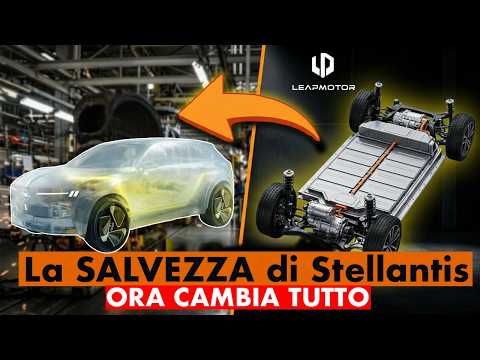
Stellantis expands Leapmotor partnership to build Chinese EVs in Spain

Stellantis expands Leapmotor partnership to build Chinese EVs in Spain

Money Moves

Two Spanish plants will produce Leapmotor models using Chinese supply chains, months after Stellantis wrote down $26 billion on its own electric vehicle program

Yesterday: Stellantis to build Leapmotor EVs in Spain

Overview

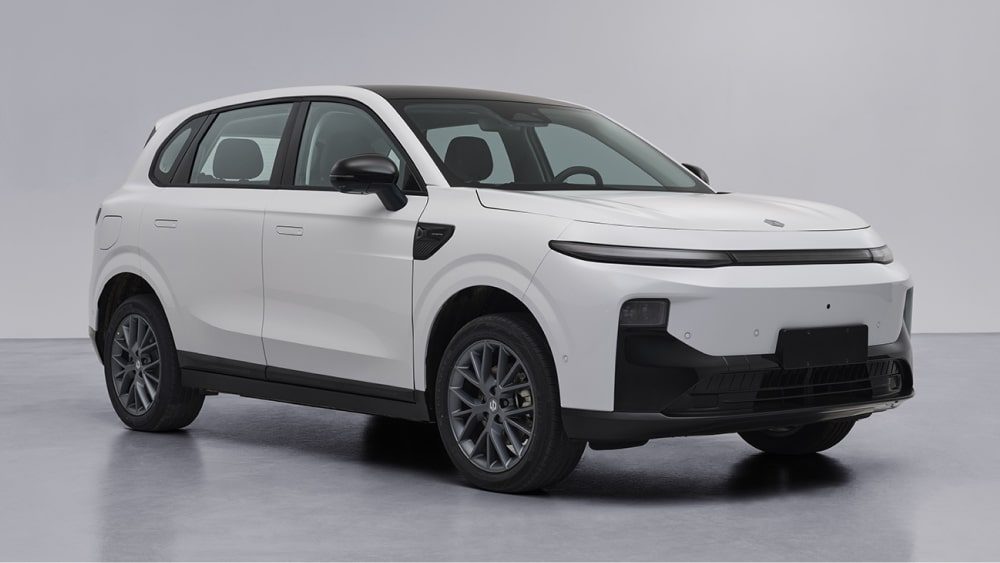
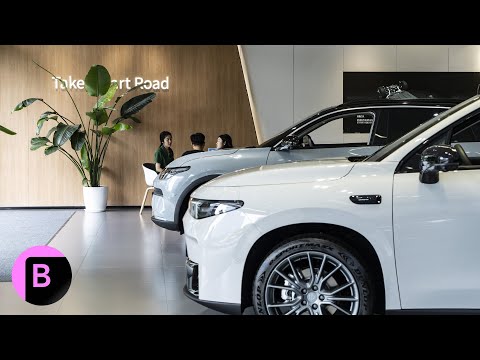
Stellantis spent roughly $26 billion trying to build its own electric vehicles. It is now letting a Chinese partner build them instead. The Jeep and Peugeot owner will manufacture Leapmotor's B10 SUV at its Figueruelas plant in Zaragoza starting in 2026, and a second Leapmotor model at its Madrid plant from 2028.

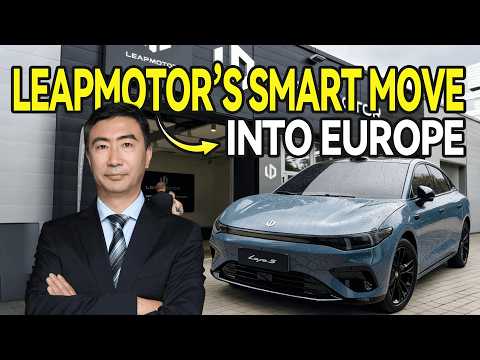
The deal lets Stellantis sell cheaper EVs in Europe by using Chinese parts and platforms, sidestepping EU tariffs of up to 35.3% on cars imported from China. It also marks a clear reversal of the post-war model in which Western automakers brought technology into China. The flow has switched directions.

Why it matters

European drivers may soon buy cheaper EVs built locally on Chinese platforms, and Western automakers may need Chinese partners to stay in the EV business.

Key Indicators

$26B
Stellantis EV writedown
Charges booked in February 2026 after scrapping internal EV product plans
21%
Stellantis stake in Leapmotor
Acquired in October 2023 for about €1.5 billion
€29,900
B10 European starting price
Roughly half the price of comparable European EVs in the C-SUV segment
35.3%
Top EU tariff on China-built EVs
Definitive countervailing duty applied since October 2024; building in Europe avoids it
40,000+
Leapmotor EVs shipped in Europe in 2025
Sold through 850 Stellantis-managed dealer points across the continent

Voices

Curated perspectives — historical figures and your fellow readers.

Ever wondered what historical figures would say about today's headlines?

Sign up to generate historical perspectives on this story.

Play

Exploring all sides of a story is often best achieved with Play.

Log in to play. Track your picks, climb the leaderboards. Log in Sign Up
Predict 4 ways this could play out. Contrarian picks score more — points lock when the scenario resolves. Log in to play
Higher or Lower Two numbers from this story. Guess which is bigger. 5 rounds to set a streak. Log in to play
Timeline Five events from this story — drag them oldest to newest. Log in to play
Connections Sixteen names from the news. Find the four hidden groups of four. Log in to play

People Involved

Organizations Involved

Timeline

October 2023 May 2026

9 events Latest: Yesterday
Tap a bar to jump to that date
  1. Stellantis to build Leapmotor EVs in Spain

    Latest Strategic announcement

    The company will produce the Leapmotor B10 in Zaragoza from 2026 and a second model in Madrid from 2028, using Chinese supply chains through LPMI.

  2. Stellantis books $26 billion in EV writedowns

    Financial

    Filosa scraps internal EV product plans and posts the largest single EV-related charge in auto industry history.

  3. Leapmotor B10 orders open in Europe

    Product launch

    The C-segment electric SUV lists at €29,900, undercutting most European-built rivals.

  4. Antonio Filosa named CEO

    Leadership

    Stellantis board unanimously picks the 25-year veteran to run a strategic reset, effective June 23.

  5. Carlos Tavares leaves Stellantis

    Leadership

    The architect of the Leapmotor deal exits after board confidence collapses over cost cuts.

  6. EU imposes definitive tariffs on Chinese EVs

    Regulatory

    Brussels applies countervailing duties of 17% to 35.3% on Chinese-built electric vehicles, on top of the existing 10% import duty.

  7. Leapmotor T03 and C10 reach European dealerships

    Product launch

    First Leapmotor models go on sale across Stellantis dealer networks in nine European countries.

  8. Leapmotor International joint venture launches

    Corporate

    A 51/49 Stellantis-led joint venture is set up in Amsterdam to handle Leapmotor sales outside China.

  9. Stellantis buys 21% of Leapmotor

    Investment

    Stellantis pays about €1.5 billion for a 21% equity stake, plus rights to sell Leapmotor cars outside Greater China.

Historical Context

3 moments from history that rhyme with this story — and how they unfolded.

1984-2010

NUMMI joint venture (1984)

General Motors and Toyota jointly ran a car plant in Fremont, California from 1984. GM got access to Toyota's production system. Toyota got a US manufacturing foothold ahead of expected import restrictions.

Then

The Fremont plant went from GM's worst factory to one of its best in under two years. Toyota built Corollas and GM built Chevy Novas on the same line.

Now

Toyota took the lessons home and built more US plants on its own. GM took 15 years to apply what it learned and shut its half of NUMMI in 2009.

Why this matters now

NUMMI is the closest analogue for what Stellantis is now doing in reverse: the legacy automaker partners with a foreign rival to learn cheaper, faster production. The unresolved NUMMI question — who gains more from the deal — applies directly here.

August 2010

Geely buys Volvo Cars (2010)

Chinese automaker Geely paid Ford $1.5 billion in cash and notes for Volvo Cars, then the largest overseas acquisition by a Chinese carmaker. Volvo kept its Swedish headquarters and design teams under Geely ownership.

Then

Volvo stayed in Sweden and Belgium but gained access to Chinese suppliers, capital, and engineering. Sales recovered after years of Ford-era decline.

Now

Volvo became a profitable global EV brand built on Geely platforms. The deal showed European manufacturing could survive under Chinese ownership when capital and tech flowed back into the brand.

Why this matters now

Geely-Volvo proved Chinese capital and platforms could be paired with European production without killing the European brand. Stellantis is testing a lighter version of the same model, without selling itself outright.

October 1984

Volkswagen-SAIC joint venture (1984)

Volkswagen formed a 50/50 joint venture with Shanghai Automotive Industry Corporation to build Santana sedans in China. It was one of the first major Western-Chinese auto JVs and the template Beijing required for foreign carmakers entering China for the next four decades.

Then

VW dominated the Chinese passenger car market for two decades and earned billions in profits.

Now

SAIC and its Chinese peers learned modern auto manufacturing from their JV partners. By 2024, Chinese brands had overtaken Western ones in their home market and started exporting back.

Why this matters now

The Stellantis-Leapmotor deal reverses the 1984 arrangement. The Chinese partner now brings the technology and the European partner brings the market access. The same JV mechanic, the same knowledge transfer question, but the direction is flipped.

Sources

(8)