
Pull to refresh
Logo
NYSE Arca adds a monthly fee for trading on its options floor

NYSE Arca adds a monthly fee for trading on its options floor

Rule Changes

Floor market makers pay $5,000 a month per permit, with a carve-out for desks that keep most of their volume manual

Overview

Updated 9 minutes ago

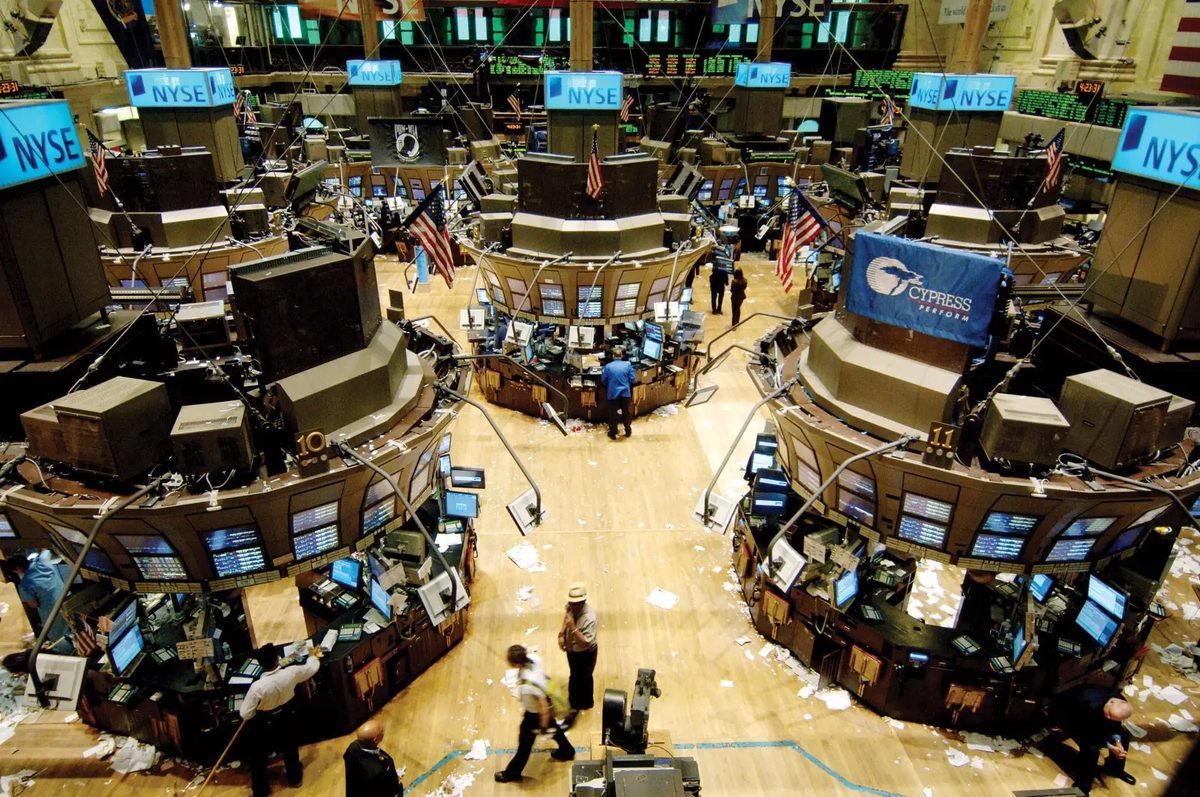
Until November 16, a market maker's floor activity on NYSE Arca rode on the trading permits it already held. Floor costs beyond those permits amounted to small equipment, connectivity and booth charges. Now the exchange charges $5,000 a month per permit for floor access.

The rule carries a carve-out: a desk that buys at most two permits and executes 75% or more of its volume as manual floor trades pays only the floor fee, and skips the standard market maker permit charges. The Securities and Exchange Commission published the notice on November 25 and set comments to close December 16, five weeks after the fee was already in force.

Why it matters

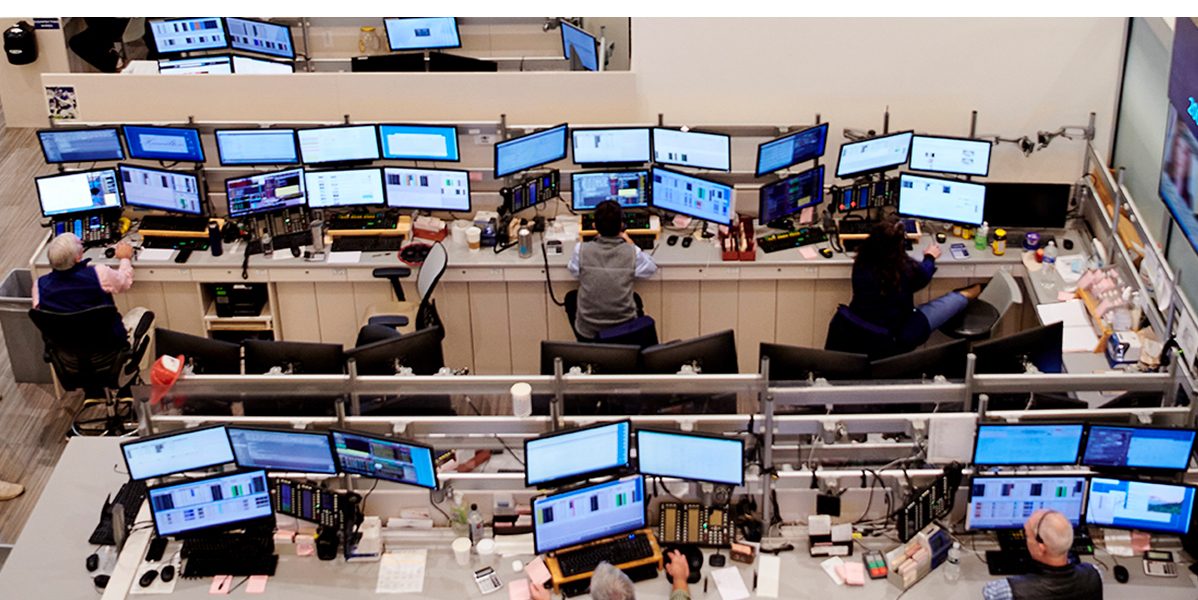
NYSE Arca now bills separately for a seat on its physical options floor, a cost the exchange says peers already impose.

Questions about this story

Free account needed to ask — your question is kept and asked for you right after sign-up. Answers are public.

No questions yet — be the first to ask.

Key Indicators

$5,000
Monthly Floor Market Maker fee per permit
Assessed on top of existing NYSE Arca market maker permit fees.
75%
Manual floor volume needed for the exemption
Share of volume, excluding QCC and Strategy Executions, that must execute as manual floor trades.
2
Permits allowed under the exemption
Desks buying more than two permits per month do not qualify.
$5,350
MIAX Sapphire monthly floor permit fee
Cited in the filing as a comparable charge at another options exchange.
$5,500
BOX Options Market monthly podium fee
The second peer figure NYSE Arca uses to argue its fee tracks the market.
9.23%
NYSE Arca share of multiply-listed options volume
Measured in September 2026, excluding index-based options.
20
Registered options exchanges
The filing's measure of how much competition constrains its pricing.

Voices

Curated perspectives — historical figures and your fellow readers.

Sign up to generate historical perspectives on this story.

Organizations Involved

Timeline

November 2026 December 2026

5 events Latest: Yesterday
Tap a bar to jump to that date
  1. Comment period closes

    Upcoming Deadline

    Final date for submissions on file number SR-NYSEARCA-2026-112.

  2. Federal Register publishes the notice

    Latest Publication

    The fee change becomes public record with comments due December 16, 2026.

  3. SEC issues notice of filing and immediate effectiveness

    Regulatory

    Release No. 34-106951 opens the change to public comment and lays out the 60-day suspension window.

  4. First filing withdrawn, replacement takes effect same day

    Filing

    SR-NYSEARCA-2026-110 is pulled and replaced by SR-NYSEARCA-2026-112, effective immediately.

  5. NYSE Arca files a first version of the floor fee

    Filing

    The exchange submits SR-NYSEARCA-2026-110 to create a distinct Floor Market Maker fee.

Scenarios

1

Fee stands as the SEC's 60-day window closes

Likely Resolves by Jan 20, 2027

Discussed by: NYSE Arca's filing, which argues the charge is consistent with fees at MIAX Sapphire and BOX

The fee is already live, and exchange fee filings rarely draw a suspension. If no order appears before the 60-day clock from the November 16 filing runs out, the $5,000 charge and the two-permit, 75% manual exemption become the settled schedule. Floor desks then decide whether to restructure around the exemption or absorb the cost.

2

SEC suspends the fee and orders proceedings

Unlikely Resolves by Jan 15, 2027

Discussed by: The SEC notice, which spells out the commission's authority to suspend a fee filing within 60 days

The commission can pause a fee change if it judges the action necessary for the public interest or investor protection, then run a longer approval process. That would put the $5,000 charge on hold and force NYSE Arca to defend the exemption's design in a formal proceeding rather than a notice.

3

NYSE Arca refiles to widen the exemption

Possible Resolves by Q2 2027

Discussed by: Open question on the SEC comment docket, where the two-permit and 75% thresholds are the main design choices to contest

The exchange already withdrew one version of this fee within two weeks. If floor desks argue the thresholds push them off the floor rather than onto it, a follow-up filing could raise the permit cap or lower the manual-volume share. Any such change would arrive as a new filing on the SEC's NYSE Arca docket.

Historical Context

2 moments from history that rhyme with this story — and how they unfolded.

2026

NYSE Arca floor surcharge and broker rebate (2026)

In an earlier 2026 filing numbered SR-NYSEARCA-2026-07, NYSE Arca extended a surcharge that applied to certain complex orders so that it also covered any market maker order on the trading floor that was counterparty to a complex manual trade executed by a floor broker. The same filing established a rebate payable to floor brokers.

Then

Floor participants faced new charges on one side of a trade and a new payment on the other.

Now

The exchange's fee schedule began pricing floor-specific activity separately from general electronic trading.

Why this matters now

The floor market maker fee continues the same pattern: charges that used to be folded into general permit fees are now billed against the physical trading floor as its own line item.

November 2026

Immediate effectiveness for exchange fees (2026)

NYSE Arca filed the fee under Section 19(b)(3)(A) of the Securities Exchange Act, which lets a rule that establishes a fee take effect on filing. The commission can still suspend it within 60 days and open a formal proceeding.

Then

The $5,000 charge began on November 16, nine days before the public notice appeared in the Federal Register.

Now

Comment periods on exchange fees routinely run after the money has already started moving, which limits what objections can undo.

Why this matters now

Explains why floor desks are paying a fee that is still open for public comment, and why the only near-term reversal is a decision by the SEC itself.

Sources

(6)