
Pull to refresh
Logo
NYSE picks Avalanche to settle tokenized stock trades

NYSE picks Avalanche to settle tokenized stock trades

New Capabilities

A custom Avalanche chain would clear and settle trades for an NYSE-affiliated venue, pending regulatory approval

Overview

Updated 1 hour ago

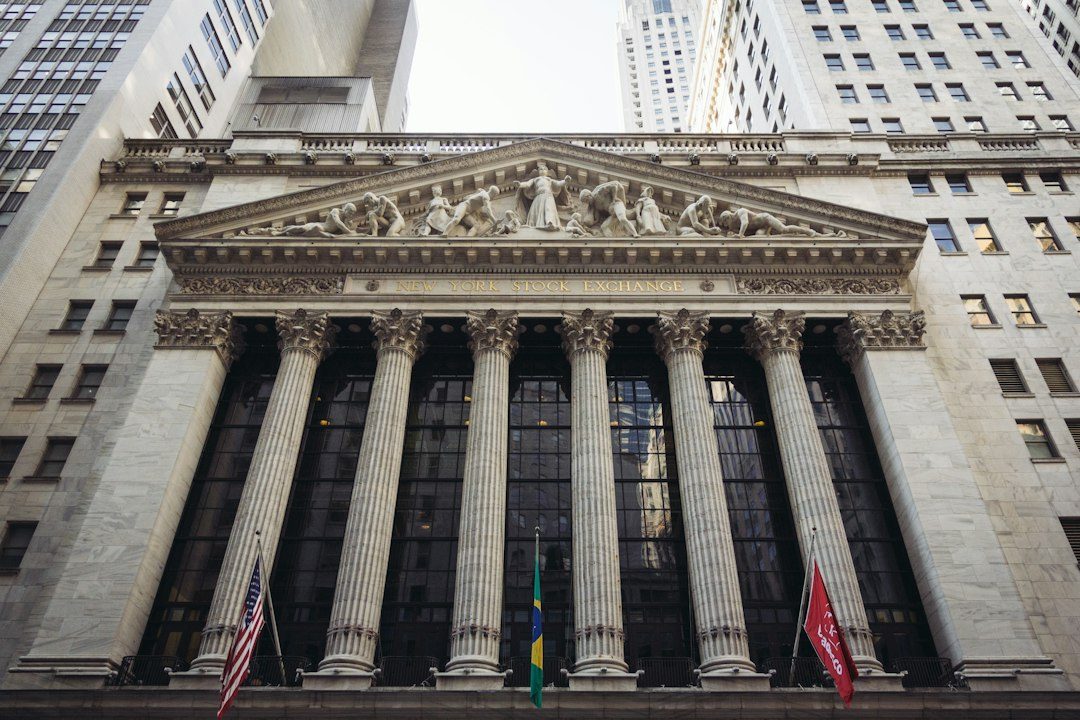
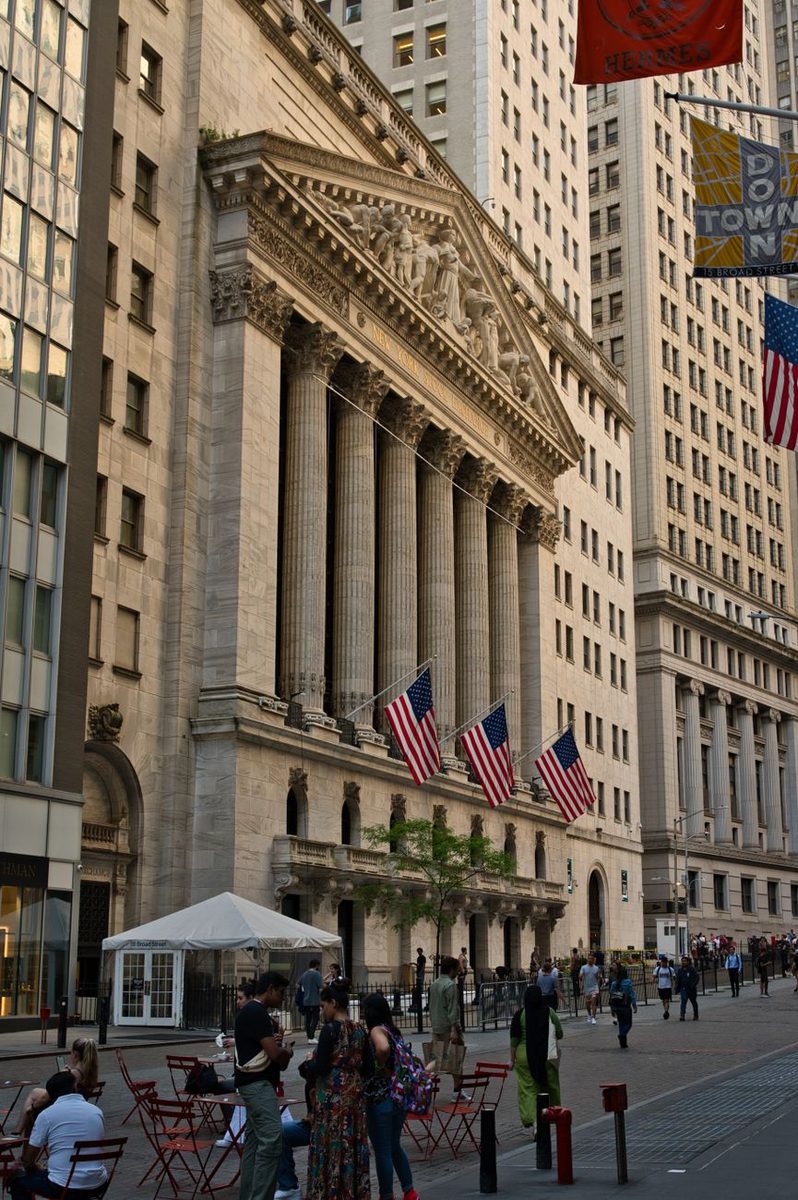
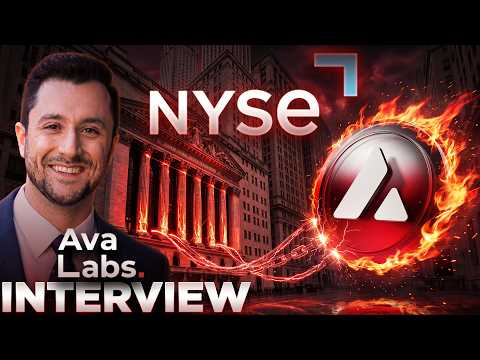
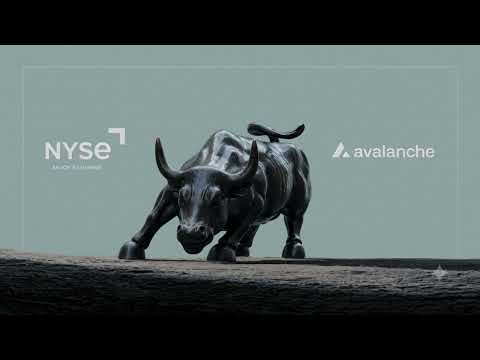
The New York Stock Exchange will use Avalanche's blockchain software to clear and settle trades on a planned venue for tokenized stocks. The exchange announced the choice on Nov. 9, 2026, and said the platform is designed to run around the clock, subject to regulatory approval.

The work splits in two. NYSE's Pillar matching engine pairs buyers and sellers, while a custom chain built on Avalanche's technology records ownership and completes settlement. That chain is not the public Avalanche network, and the venue is an alternative trading system run by an NYSE affiliate rather than the exchange itself.

Why it matters

If approved, the largest US stock exchange will settle trades on blockchain software, a job clearinghouses have handled for decades.

Questions about this story

Free account needed to ask — your question is kept and asked for you right after sign-up. Answers are public.

No questions yet — be the first to ask.

Key Indicators

6
Transfer agents on the NYSE platform
Broadridge, Computershare, Equiniti and Superstate joined Securitize and tZERO in early November 2026.
$8.64
AVAX price after the announcement
The token rose about 3.6% in the day after the news, according to Decrypt.
24/7
Proposed trading hours
The venue is designed for round-the-clock trading, clearing and settlement.

Voices

Curated perspectives — historical figures and your fellow readers.

Sign up to generate historical perspectives on this story.

People Involved

Organizations Involved

Timeline

January 2026 November 2026

6 events Latest: 3 days ago
Tap a bar to jump to that date
  1. NYSE selects Avalanche for clearing and settlement

    Latest Selection

    Custom Avalanche chain will record and settle tokenized stock trades around the clock.

  2. AVAX rises on the news

    Market

    Token gains about 3.6% to $8.64, according to Decrypt.

  3. NYSE expands transfer agent network to six

    Partnership

    Broadridge, Computershare, Equiniti and Superstate join Securitize and tZERO.

  4. DTCC launches tokenization service

    Infrastructure

    Settlement utility starts tokenized custody and transfers on private Besu and Canton networks.

  5. Securitize named first digital transfer agent

    Partnership

    Memorandum of understanding makes Securitize eligible to issue tokenized securities on the venue.

  6. NYSE unveils tokenized securities platform

    Announcement

    Exchange says the venue will pair its Pillar matching engine with blockchain settlement.

Scenarios

1

NYSE-affiliated venue begins trading tokenized stocks

Possible Resolves by End of 2026

Discussed by: NYSE and Ava Labs, which said the platform targets a fourth-quarter 2026 launch

The exchange and Ava Labs have both said the venue is aimed at the fourth quarter of 2026, pending regulatory approval. If the SEC clears the alternative trading system, the first live trade would mark the point where a major US exchange settles equities on blockchain software. The trigger to watch is approval plus a published launch date, not another technology announcement.

2

Regulators push the launch into 2027

Possible Resolves by Q1 2027

Discussed by: CoinDesk and other outlets, which note every announcement carries a pending-approval qualifier

Alternative trading system registration and the novel use of a blockchain ledger give regulators plenty to review. A delay would not kill the project, but it would push the first live trade past the fourth-quarter target and into a period when rival venues may be further along. Watch for NYSE filings and public statements about timing rather than technical milestones.

3

A rival venue trades tokenized stocks first

Possible Resolves by Q2 2027

Discussed by: CoinDesk, which reported Nasdaq's tokenized stock work with Kraken's parent company

Nasdaq is building tokenized stock infrastructure of its own, and the OKX-ICE venue under the SEC innovation exemption is a separate path to the same goal. If either goes live before the NYSE-affiliated system, the exchange loses the first-mover framing even if its technology is further along. The race is about regulatory clearance and live trades, not press releases.

4

AVAX gives back its announcement gains

Uncertain Resolves by May 31, 2027

Discussed by: Decrypt, which asked analysts whether infrastructure deals translate into token value

Avalanche's chief business officer confirmed the NYSE will run a dedicated chain rather than the public network, and analysts told Decrypt that trading will happen off-chain. If the token does not pick up usage from the deal, the price gain that followed the announcement could fade. The question is whether dedicated infrastructure generates fees, staking demand or stablecoin activity that reaches AVAX holders.

Historical Context

3 moments from history that rhyme with this story — and how they unfolded.

2017-2022

ASX CHESS replacement (2017-2022)

Australia's main stock exchange set out to replace its CHESS clearing and settlement system with distributed-ledger technology from Digital Asset. The project slipped repeatedly and expanded in scope. In 2022 the exchange paused it, then abandoned the effort.

Then

ASX wrote off roughly A$170 million and restarted its settlement replacement with conventional technology.

Now

The failure became the standard cautionary tale for exchanges considering bespoke blockchain settlement.

Why this matters now

The NYSE is attempting the same category of project: replacing part of the settlement stack with blockchain software. ASX shows that the technical choice matters less than delivering on schedule.

2006

NYSE acquires Archipelago (2006)

The New York Stock Exchange bought Archipelago, an all-electronic trading venue, and restructured itself as a for-profit public company, NYSE Group. The deal brought a fully electronic matching engine inside an institution long built around floor trading.

Then

The merger closed in 2006 and the combined company kept both electronic and floor operations for a time.

Now

Electronic matching became the core of US equity trading, and the floor shrank to a ceremonial and specialist role.

Why this matters now

It is the closest precedent for an incumbent exchange bolting a new trading technology onto its existing engine, which is exactly how the Avalanche venue is designed.

1992

CME launches Globex (1992)

The Chicago Mercantile Exchange launched Globex, an electronic futures trading system built with Reuters, initially running outside regular floor hours. Traders could match contracts after the pits closed.

Then

Volume was modest at first and open outcry remained dominant.

Now

Electronic trading became the primary venue for futures, and floor trading largely disappeared.

Why this matters now

Globex started as an add-on to an existing exchange rather than a replacement. The NYSE's tokenized venue follows the same pattern: new rails beside the old ones.

Sources

(11)