
Pull to refresh
Logo
Port of Oakland begins construction on Matson terminal zero-emission fleet

Port of Oakland begins construction on Matson terminal zero-emission fleet

Built World

First marine terminal at the seaport to run 100% zero-emission cargo-handling equipment

Overview

Updated 2 hours ago

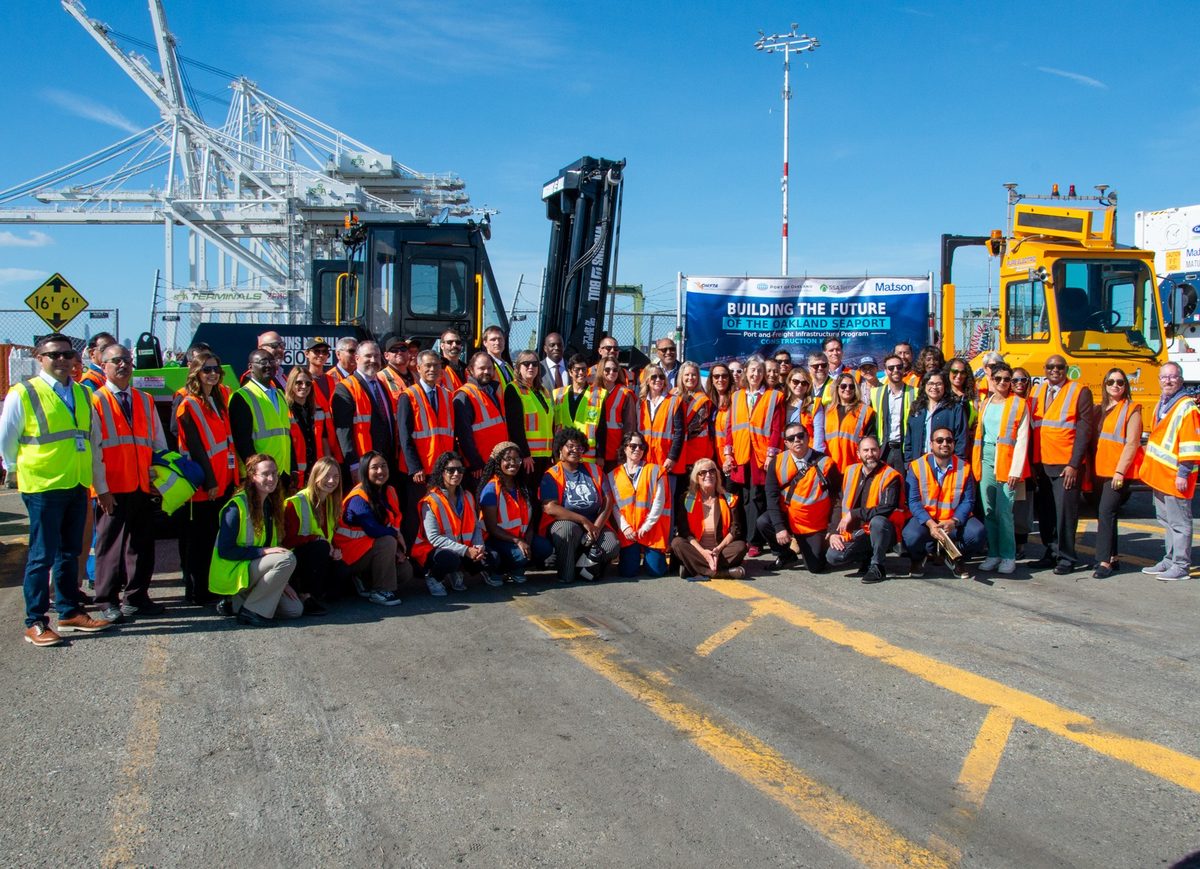
Port of Oakland officials joined California Transportation Secretary Toks Omishakin to mark the start of construction on infrastructure that will make Matson Terminal the seaport's first terminal with a 100% zero-emission cargo-handling fleet. The project replaces 22 diesel yard tractors with battery-electric versions and eight diesel top handlers with hydrogen fuel cell versions.

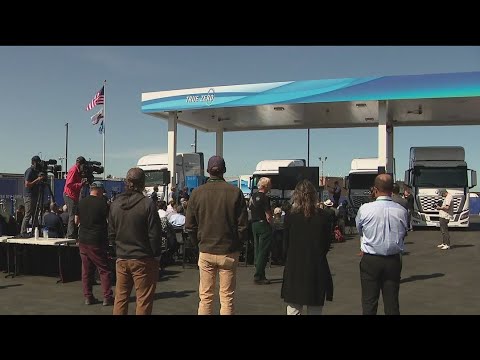
California's $119 million grant through the Port and Freight Infrastructure Program (PFIP) funds charging stations and a hydrogen fueling site at the terminal, which is operated by SSA Terminals, a joint venture between SSA Marine and Matson. The work follows a $322 million Environmental Protection Agency Clean Ports Program award in December 2024 that funds zero-emission equipment across the wider seaport. Substantial completion is targeted for June 2028.

Why it matters

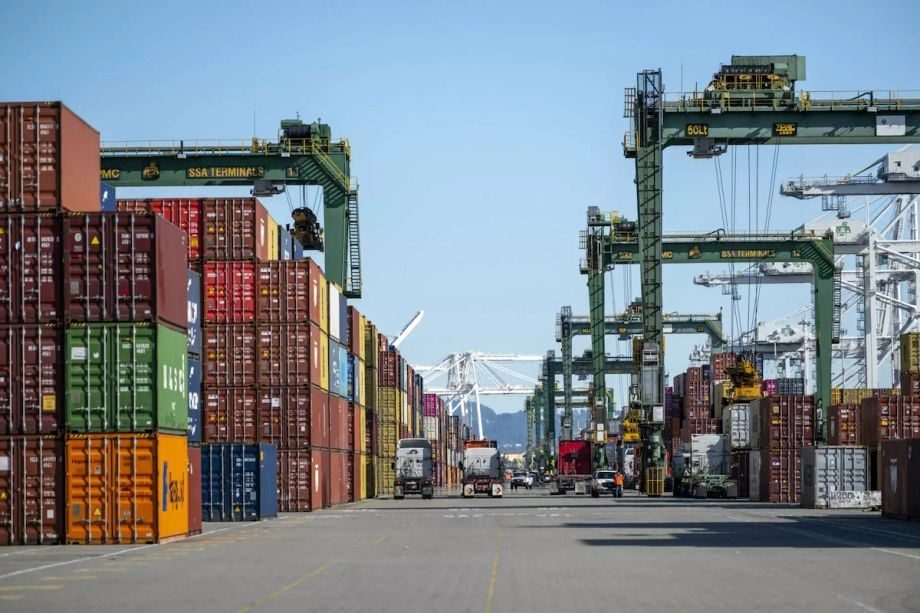
Port diesel equipment pollutes West Oakland air; this project swaps in 30 electric and hydrogen machines to change that.

Questions about this story

Free account needed to ask — your question is kept and asked for you right after sign-up. Answers are public.

No questions yet — be the first to ask.

Key Indicators

$119 million
CalSTA grant for Matson terminal electrification
California State Transportation Agency funding through the Port and Freight Infrastructure Program.
30
Zero-emission equipment units
22 battery-electric yard tractors plus 8 hydrogen fuel cell top handlers.
5 MW
New electrical infrastructure capacity
4 MW for UTR charging stations plus 1 MW for the hydrogen fueling site.

Voices

Curated perspectives — historical figures and your fellow readers.

Sign up to generate historical perspectives on this story.

People Involved

Organizations Involved

Timeline

January 2023 October 2026

4 events Latest: Today
Tap a bar to jump to that date
  1. Construction begins on Matson terminal electrification

    Today Infrastructure

    Port of Oakland, joined by California Transportation Secretary Toks Omishakin, marked the start of construction on charging infrastructure and a hydrogen fueling site that will make Matson Terminal the seaport's first 100% zero-emission cargo-handling terminal.

  2. Electric tractor procurement opens

    Procurement

    SSA Terminals issued a request for proposals for 22 battery-electric utility tractor rigs for Matson Terminal, with bids due November 2, 2026.

  3. EPA awards $322 million to Oakland port

    Funding

    The Environmental Protection Agency awarded the Port of Oakland $322 million under the Clean Ports Program for 663 pieces of zero-emission equipment, including 475 drayage trucks and 188 pieces of cargo-handling equipment.

  4. Port applies for state modernization funds

    Funding

    Port of Oakland submitted a $257.9 million request to CalSTA's Port and Freight Infrastructure Program, including $119 million for zero-emission equipment at Matson Terminal.

Scenarios

1

Matson terminal runs fully zero-emission by mid-2028

Likely Resolves by Q2 2028

Discussed by: Port of Oakland officials and the CalSTA PFIP project schedule

The project follows the documented schedule, with all 22 electric utility tractor rigs and 8 hydrogen fuel cell top handlers operational at Matson Terminal by June 30, 2028. This is the plan outlined in the CalSTA application and the port's press announcements, assuming procurement and construction stay on track.

2

Hydrogen supply constraints delay top handler rollout

Possible Resolves by End of 2028

Discussed by: WorldCargo News coverage of port equipment procurement; infrastructure analysts tracking green hydrogen availability

The 8 fuel cell top handlers depend on green hydrogen, which has a less mature supply chain than battery-electric power. If permitting, fuel delivery, or equipment commissioning slips, the top handlers may come online later than the electric tractors, leaving the terminal short of its 100% ZE goal by the target date.

3

Matson model scales to other Oakland terminals

Uncertain Resolves by Q2 2029

Discussed by: Port of Oakland Clean Ports Program documentation and community partners

If the Matson project demonstrates that a terminal can run 100% ZE cargo-handling equipment cost-effectively, the port extends the model to its other marine terminals under the broader EPA Clean Ports Program grant, which already funds ZE equipment port-wide.

Historical Context

2 moments from history that rhyme with this story — and how they unfolded.

November 2006

Los Angeles/Long Beach Clean Air Action Plan (2006)

The two busiest US container ports adopted the Clean Air Action Plan, the first comprehensive port air quality program in the country. It set emission reduction targets for ships, harbor craft, trucks, and cargo-handling equipment, and spawned the 2008 Clean Truck Program that banned older diesel trucks.

Then

The Clean Truck Program cut diesel particulate emissions from port trucks by more than 90% within several years.

Now

The program established a template for port environmental regulation that other California ports, including Oakland, have followed.

Why this matters now

Shows that port environmental transitions in California are multi-decade efforts requiring continuous funding, regulation, and technology adoption. The Oakland project is the next step in the same arc.

April 2023

California Advanced Clean Fleets rule (2023)

The California Air Resources Board adopted the Advanced Clean Fleets rule, requiring drayage trucks serving California ports to reach zero-emission status, with new drayage truck sales going ZE starting in 2024 and full fleet conversion by 2035.

Then

The rule created a regulatory deadline that ports and terminal operators must prepare for, driving investment in electric and hydrogen equipment infrastructure.

Now

It gives California ports a hard timeline to eliminate diesel freight equipment, making projects like the Matson electrification not just environmental goals but compliance necessities.

Why this matters now

The regulatory framework that makes the Matson Terminal project economically necessary. Without the ARB deadline, the business case for $119 million in public equipment investment would be weaker.

Sources

(6)