
Pull to refresh
Logo
Ports of Indiana wins federal grant to bring container shipping to Lake Michigan

Ports of Indiana wins federal grant to bring container shipping to Lake Michigan

Built World

$11.2 million award funds cranes and yard equipment for Burns Harbor's planned container terminal

Overview

Updated 2 hours ago

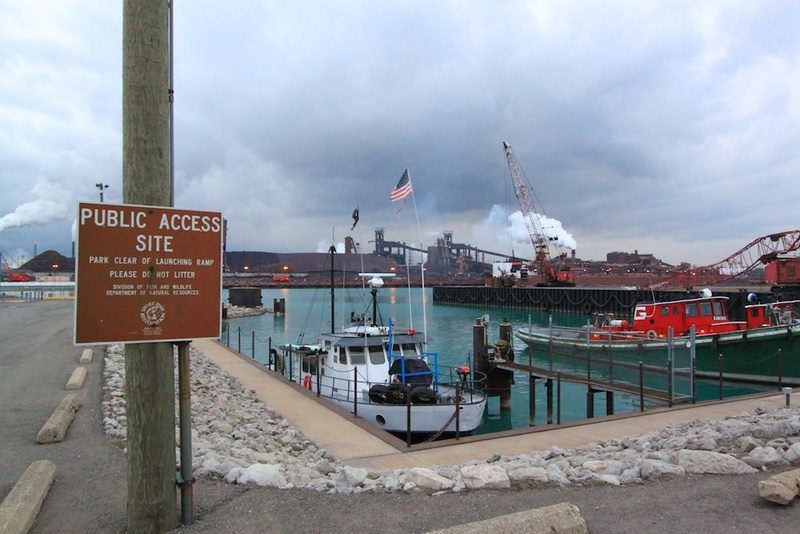
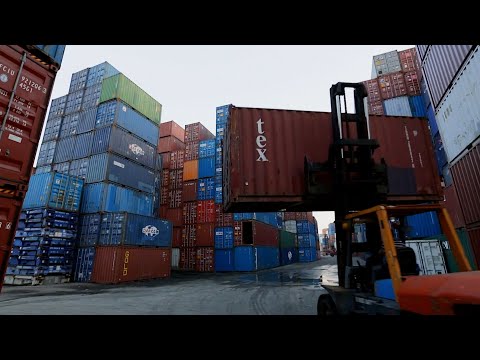
Containers bound for the Midwest from Europe now land at a coastal port, ride a train to Chicago, and transfer to a truck. Ports of Indiana wants to cut that trip by shipping straight to a new container terminal on Lake Michigan.

On October 27, the port authority won an $11.2 million federal grant to buy the cranes, reach stackers, and yard trucks the terminal needs. The port targets a second-quarter 2027 opening, which would make Burns Harbor the only container port serving the Chicago metro through the Great Lakes.

Why it matters

Midwest manufacturers could cut 10 days from European shipments if Burns Harbor's terminal opens, bypassing coastal ports and Chicago rail yards.

Questions about this story

Free account needed to ask — your question is kept and asked for you right after sign-up. Answers are public.

No questions yet — be the first to ask.

Key Indicators

$11.2M
Federal grant awarded to Burns Harbor
From MARAD's Port Infrastructure Development Program, part of a $498 million national port investment.
$498M
Total federal port infrastructure investment
Announced by Transportation Secretary Sean P. Duffy across 35 projects in 19 states.
10 days
Estimated shipping time savings per container
Ports of Indiana estimate for the all-water route versus rail from coastal ports.
5,000-10,000 TEUs
Target first-year container volume
Twenty-foot equivalent units that trade representative Brian Dooley hopes Burns Harbor handles annually as a start.

Voices

Curated perspectives — historical figures and your fellow readers.

Sign up to generate historical perspectives on this story.

People Involved

Organizations Involved

Timeline

July 2024 October 2026

4 events Latest: Yesterday
Tap a bar to jump to that date
  1. Ports of Indiana awarded $11.2 million federal grant

    Latest Funding

    MARAD awards $11.2 million from the Port Infrastructure Development Program for cranes, stackers, and yard trucks. Port matches with $2.8 million for a $14 million project.

  2. Ports of Indiana targets Q2 2027 container service launch

    Planning

    CEO Jody Peacock and trade representative Brian Dooley outline plans for 5,000-10,000 TEUs in the first year, focusing on pharmaceuticals and refrigerated goods.

  3. Customs inspection facility construction scheduled

    Construction

    CBP approval plan calls for construction of the inspection facility and equipment installation during 2025.

  4. U.S. Customs approves Burns Harbor container terminal plan

    Regulatory

    Customs and Border Protection approves Ports of Indiana's proposal to establish the first international container terminal on Lake Michigan.

Scenarios

1

Burns Harbor opens container terminal by mid-2027

Possible Resolves by Q2 2027

Discussed by: Ports of Indiana CEO Jody Peacock and trade representative Brian Dooley

Customs inspection facility construction finishes, the $14 million equipment package is delivered, and the first container vessel calls at Burns Harbor via the St. Lawrence Seaway. Container lines commit routes once the facility is operational, and the port begins booking time-sensitive cargo like pharmaceuticals and food.

2

Container service delayed past 2027

Possible Resolves by End of 2027

Discussed by: Inside Indiana Business reporting on project timeline risks

Customs facility construction slips, equipment delivery is delayed, or container lines decline to commit routes before demand is proven. Peacock has said the market is 'very difficult to serve' and that building it takes time. A delay would push the first container calls into 2028 while the port continues marketing the route.

3

Container traffic hits first-year target of 5,000-10,000 TEUs

Uncertain Resolves by End of 2028

Discussed by: Brian Dooley, European trade representative

If the terminal opens, Dooley targets 5,000 to 10,000 twenty-foot equivalent units in the first year. Demand depends on shippers of refrigerated and time-sensitive goods choosing the all-water route over rail from coastal ports. Peacock says the port will not be the cheapest option, so growth hinges on speed and reliability.

Historical Context

2 moments from history that rhyme with this story — and how they unfolded.

April-June 1959

St. Lawrence Seaway opening (1959)

The United States and Canada opened a 2,299-mile system of locks and canals connecting the Atlantic Ocean to the Great Lakes. For the first time, ocean vessels could reach Chicago, Detroit, and Duluth directly.

Then

Great Lakes ports boomed with bulk cargo — grain, iron ore, and coal moved in large volumes through the new seaway.

Now

Container shipping never took hold on the Great Lakes. Standardized containers continued to arrive via coastal ports and rail, a pattern that has persisted for six decades.

Why this matters now

Burns Harbor's container plan depends on the seaway routes opened in 1959, and it aims to deliver what the seaway's first decades never produced: direct container service to the Midwest.

June 2016

Panama Canal expansion (2016)

The canal's third set of locks opened, allowing container ships carrying up to 14,000 twenty-foot equivalent units to cross between the Atlantic and Pacific. East and Gulf Coast ports invested billions in deeper harbors and larger cranes to handle the bigger vessels.

Then

Container traffic shifted from West Coast to East Coast and Gulf ports as shippers sought shorter rail connections to the Midwest.

Now

The expansion reshaped which ports handle which cargo in North America, proving that port infrastructure investment can redirect container flows.

Why this matters now

The Burns Harbor project is a smaller version of the same dynamic: infrastructure investment shifting where containers enter the country, in this case pulling them off coastal rail networks entirely.

Sources

(6)