
Pull to refresh
Logo
Oklahoma City awards $10 million in waterline repair contracts

Oklahoma City awards $10 million in waterline repair contracts

Built World Oklahoma City, OK local

Contracts address aging pipes and street paving as main breaks hit 1,100 in a year

7 days ago: Council approves $10M repair contracts

Overview

Updated 59 minutes ago

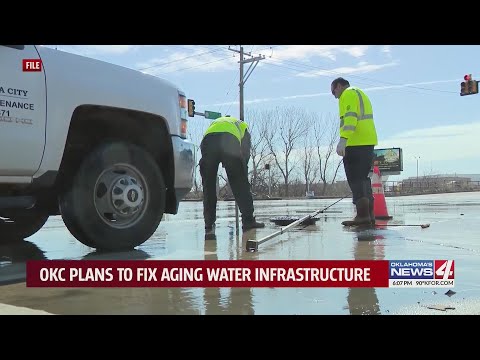
Oklahoma City is spending $10 million to fix aging water mains and the streets above them. The city council approved the contracts on September 1.

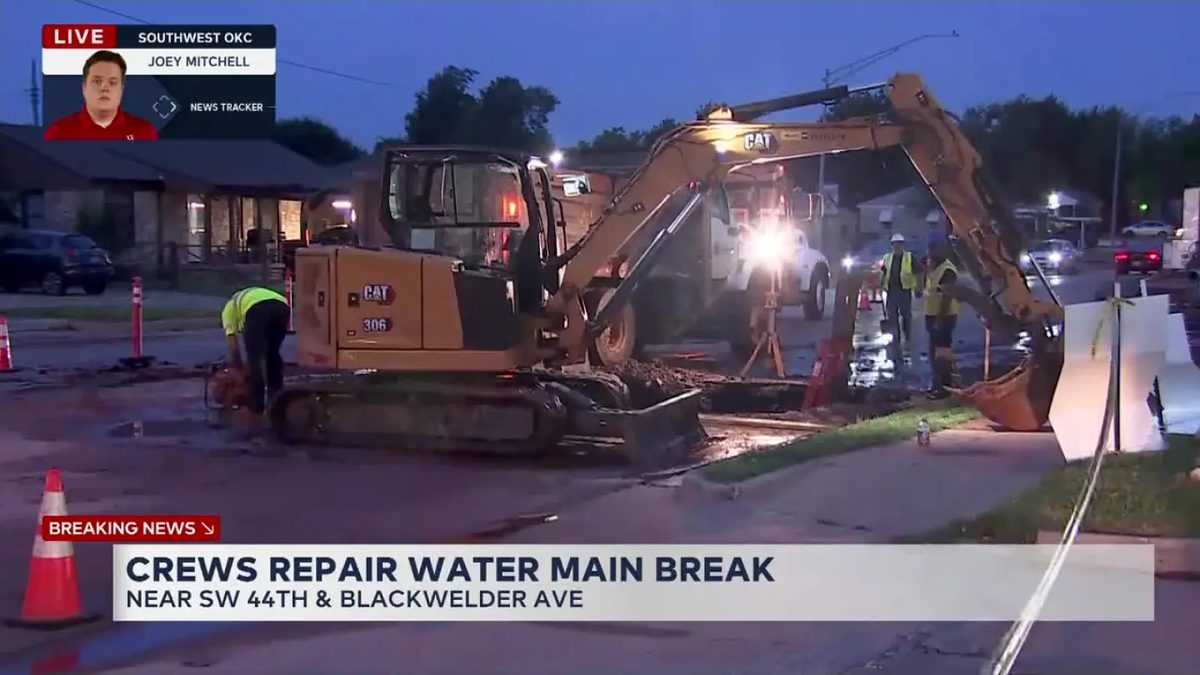
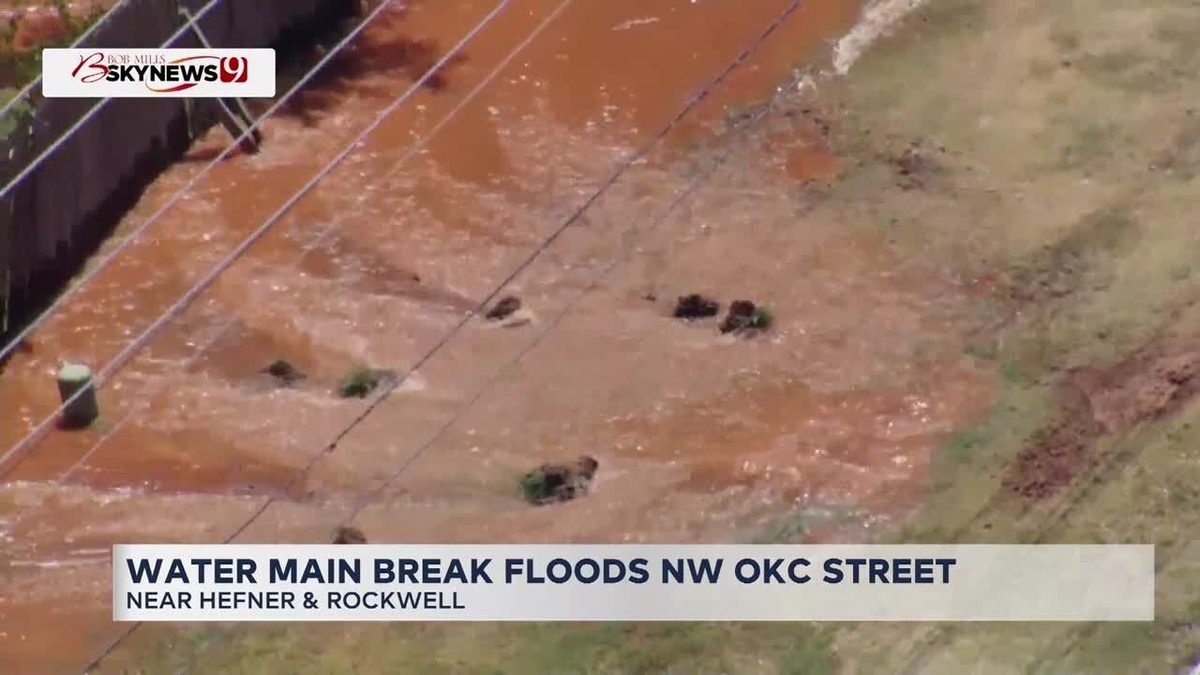
The money is a response to a spike in water main breaks, which hit 1,100 in the fiscal year ending June 2026, up from a typical 600-800. Clay soil and pipes from the 1970s and 1980s are the main causes, and heavy rain this summer made the problem worse.

Why it matters

If Oklahoma City can't curb water main breaks, residents face repeated street closures, higher water bills, and emergency repairs that cost more than planned.

Questions about this story

Free account needed to ask — your question is kept and asked for you right after sign-up. Answers are public.

No questions yet — be the first to ask.

Key Indicators

1,100
Water main breaks in fiscal year ending June 2026
Up from the typical 600-800 breaks per year.
$20M
Annual water line replacement budget after doubling
Doubled from $10 million in response to the surge.
$10M
New repair contracts approved
Split between waterline repairs ($4M) and paving restoration ($6M).

Voices

Curated perspectives — historical figures and your fellow readers.

Ever wondered what historical figures would say about today's headlines?

Sign up to generate historical perspectives on this story.

Play

Exploring all sides of a story is often best achieved with Play.

Most of these play right now — no account needed. Sign up to save scores, keep a streak, and unlock Debate and Predict. Log in Sign Up
Predict 3 ways this could play out. Back the one you believe — contrarian picks score more when a scenario has a resolution date. Log in to play

People Involved

Organizations Involved

Timeline

October 2025 September 2026

5 events Latest: 7 days ago
Tap a bar to jump to that date
  1. Council approves $10M repair contracts

    Latest Contract

    City Council approves $4M waterline repair contract and $6M paving restoration contract.

  2. Heavy rain causes 40 breaks in a week

    Incident

    A week of heavy rain triggers 40 water main breaks, leading to traffic diversions and construction.

  3. Utilities department doubles replacement budget

    Budget

    Water line replacement budget doubled from $10 million to $20 million in response to the surge.

  4. Fiscal year ends with 1,100 water main breaks

    Data

    Water main breaks reach 1,100 for the year, up from the typical 600-800.

  5. Voters approve $2.7B infrastructure bond

    Election

    Voters approve a $2.7 billion bond, with $1.35 billion for streets and $140 million for drainage.

Historical Context

2 moments from history that rhyme with this story — and how they unfolded.

July 2015

Los Angeles Sunset Boulevard water main break (2015)

A 90-year-old, 12-inch cast-iron pipe burst on Sunset Boulevard, flooding the street and creating a sinkhole that swallowed part of a sidewalk. Crews worked for hours to stop the flow.

Then

The break caused traffic chaos and $1.5 million in repairs.

Now

It led Los Angeles to accelerate its pipe replacement program and spend more on leak detection.

Why this matters now

Like OKC, the pipe was old and the failure was triggered by ground movement. It shows how a single break can cascade into costly repairs and force infrastructure investment.

1970s

New York City's 1970s infrastructure crisis

Decades of deferred maintenance on NYC's water and sewer systems led to frequent collapses, sinkholes, and service interruptions. The city estimated repair backlogs in the billions.

Then

The city raised water rates and issued bonds for emergency fixes.

Now

A sustained capital program rebuilt much of the system over two decades, reducing break rates significantly.

Why this matters now

NYC's experience shows that chronic underinvestment leads to worsening failures, but a long-term commitment can reverse the trend. OKC is currently at the crisis point where rapid spending is necessary.

Sources

(4)