

Pull to refresh
Logo
Alaska's largest walrus haul-out is placed permanently off-limits to development

Alaska's largest walrus haul-out is placed permanently off-limits to development

Rule Changes

Cully Corporation sold a 47,473-acre conservation easement at Point Lay that The Conservation Fund negotiated over a decade

Overview

Updated 44 minutes ago

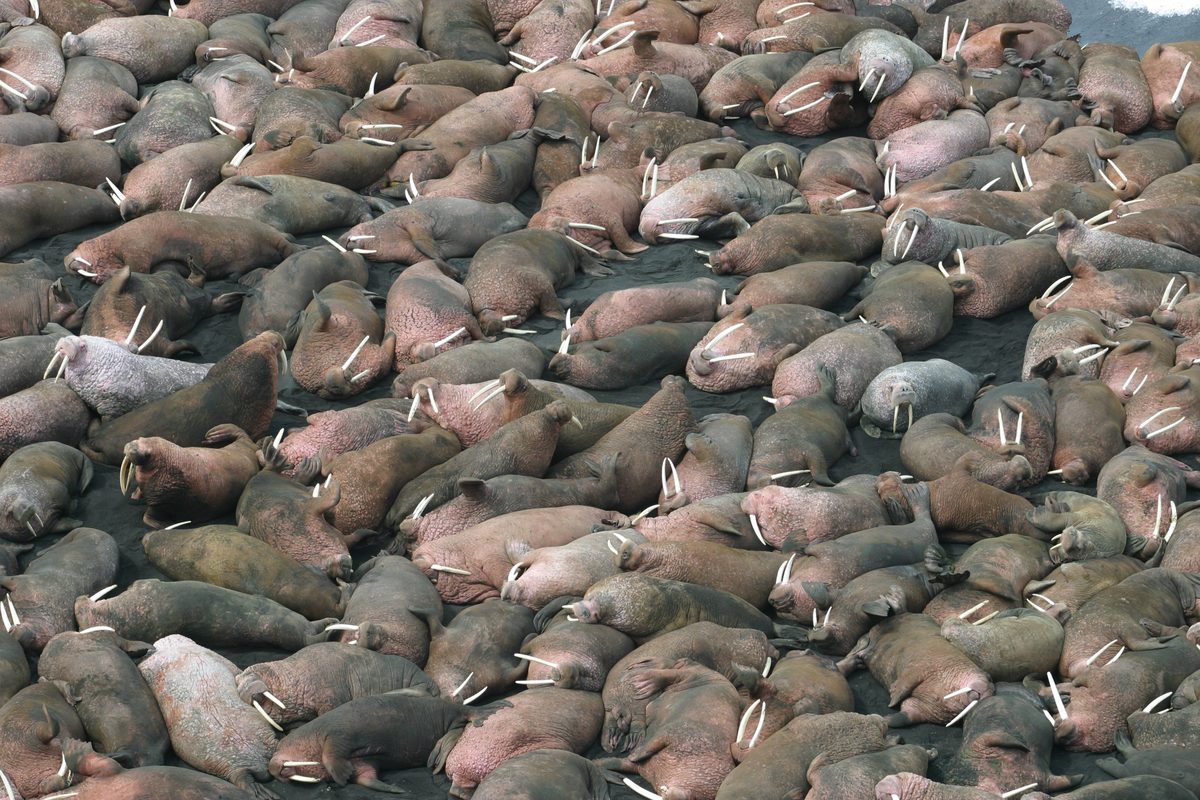
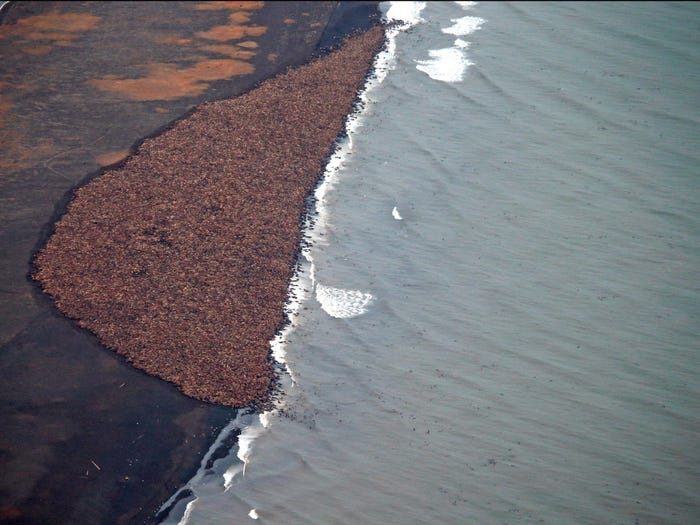
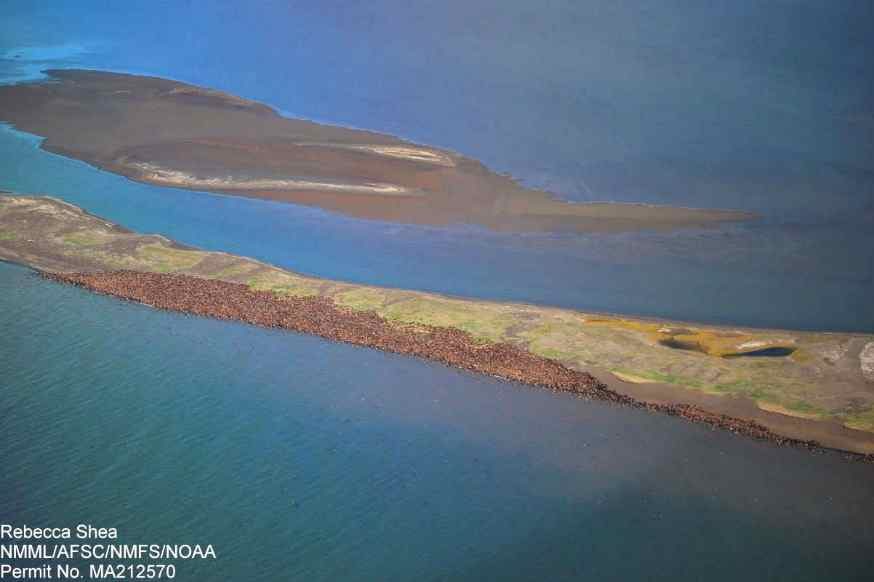
Each fall since 2007, nearly every female Pacific walrus and her calf has come ashore on barrier islands near Point Lay, on Alaska's Chukchi Sea coast. On November 18, the Alaska Native corporation that owns that ground sold the right to develop it, permanently.

The Conservation Fund paid the Cully Corporation an undisclosed sum for a conservation easement over 47,473 acres, including 20 miles of the Kasegaluk Lagoon. An easement is a deed restriction that stays with the land, so it does not depend on which administration is writing Arctic policy. It also aims to keep people, aircraft and ships from spooking a crowd of two-ton animals into a stampede that can crush calves by the hundred.

Why it matters

Roughly 200,000 walruses crowd onto this shoreline each fall, and the easement makes their landing spot permanently off-limits to drilling and excavation.

Questions about this story

Free account needed to ask — your question is kept and asked for you right after sign-up. Answers are public.

No questions yet — be the first to ask.

Key Indicators

200,000
Pacific walruses using the Point Lay haul-out
Nearly all the females and calves in the population now come ashore here each fall.
192 sq km
Land under permanent conservation easement
47,473 acres covering the barrier islands and adjacent mainland.
32 km
Kasegaluk Lagoon shoreline inside the easement
Twenty miles of one of the world's largest undiminished coastal lagoon systems.
2007
Year land haul-outs began at Point Lay
Recorded after summer sea ice retreated past the shallow feeding shelf.

Voices

Curated perspectives — historical figures and your fellow readers.

Sign up to generate historical perspectives on this story.

People Involved

Organizations Involved

Timeline

2007 November 2026

4 events Latest: Yesterday
Tap a bar to jump to that date
  1. Good News Network publishes account of the refuge

    Latest Publication

    The outlet reports the barrier-island haul-out is now protected in perpetuity.

  2. Permanent easement signed and announced

    Land protection

    Cully Corporation sells development rights on 47,473 acres; Interior Alaska Land Trust holds the easement.

  3. Easement negotiations begin

    Negotiation

    The Conservation Fund later describes the Point Lay project as ten years of persistent work.

  4. Walruses begin hauling out near Point Lay

    Ecological shift

    Summer sea ice retreats past the shallow Chukchi shelf, pushing female walruses and calves onto shore in the thousands.

Scenarios

1

No drilling, mining or excavation inside the eased acreage

Likely Resolves by Nov 18, 2030

Discussed by: The Conservation Fund and Interior Alaska Land Trust, which structured the easement to run with the land

The most direct test of the deal. Because a conservation easement is a deed restriction held by a land trust rather than a federal rule, it survives changes in administration, agency staffing and leasing policy. If it holds, the barrier islands and adjacent mainland stay undeveloped regardless of who controls the Interior Department.

2

Federal leasing expands next door in the petroleum reserve

Possible Resolves by End of 2029

Discussed by: Environmental reporters covering Arctic Alaska, who note the site borders the National Petroleum Reserve-Alaska

The easement covers one parcel. The reserve next door is open to leasing decisions that change with each administration, and industrial traffic from that activity could still disturb the haul-out through aircraft, vessel and vehicle noise. This scenario turns on whether activity moves closer, not on whether the easement is honored.

3

A second walrus haul-out gets the same treatment

Unlikely Resolves by Nov 18, 2029

Discussed by: Conservation analysts, including American University's Chelsea Koch, who said the model's spread depends on local control

The fund argues the tool can be reused with other landowners who want income without selling to industry. Koch's condition is that residents shape the decisions and that subsistence access and monitoring are protected. A second deal would show whether Point Lay is a template or a one-off.

Historical Context

3 moments from history that rhyme with this story — and how they unfolded.

December 1971

Alaska Native Claims Settlement Act (1971)

Congress settled Alaska Native land claims by transferring title to large tracts of land and paying cash, with regional and village corporations taking ownership of the surface and subsurface. Point Lay's land ended up in the hands of its village corporation, Cully Corporation.

Then

Village corporations became landowners with the right to lease, develop or sell.

Now

Those corporations became the gatekeepers for a large share of Alaska's land, able to strike deals with industry or with conservation buyers.

Why this matters now

The Point Lay easement only exists because a village corporation holds title and can sell development rights while keeping the land and its subsistence uses.

2007

The Point Lay haul-out shift (2007)

Summer sea ice retreated beyond the shallow continental shelf, into water too deep for walruses to feed from the seafloor. Female walruses and their calves, unable to rest on ice over their feeding grounds, came ashore near Point Lay in the low thousands.

Then

The site grew quickly into the largest Pacific walrus haul-out in North America.

Now

Nearly all females and calves in the population now use it each fall, and crowded animals panic easily, producing stampedes that kill calves.

Why this matters now

The refuge protects a gathering that did not exist in this form two decades ago, created by the loss of the ice the animals evolved to use.

2017-2021

Arctic National Wildlife Refuge leasing fight (2017-2021)

Congress directed the Interior Department to offer oil and gas leases on the refuge's coastal plain. The first sale, in January 2021, drew minimal bidding from major oil companies and was subsequently suspended, then revived, as administrations changed.

Then

Leasing proceeded on paper without producing significant production.

Now

Arctic land decisions proved reversible at each change of administration, leaving both industry and conservation groups uncertain about the rules.

Why this matters now

It shows why a private easement that runs with the land is a different instrument from a federal regulation that the next administration can rewrite.

Sources

(7)