
Pull to refresh
Logo
GPT-6 Astra breaks 1941 Enigma message that resisted solution for 21 years

GPT-6 Astra breaks 1941 Enigma message that resisted solution for 21 years

New Capabilities

OpenAI's model worked ten hours, wrote its own Enigma simulator, and used a crib from a related message

5 days ago: Case study published

Overview

Updated 1 hour ago

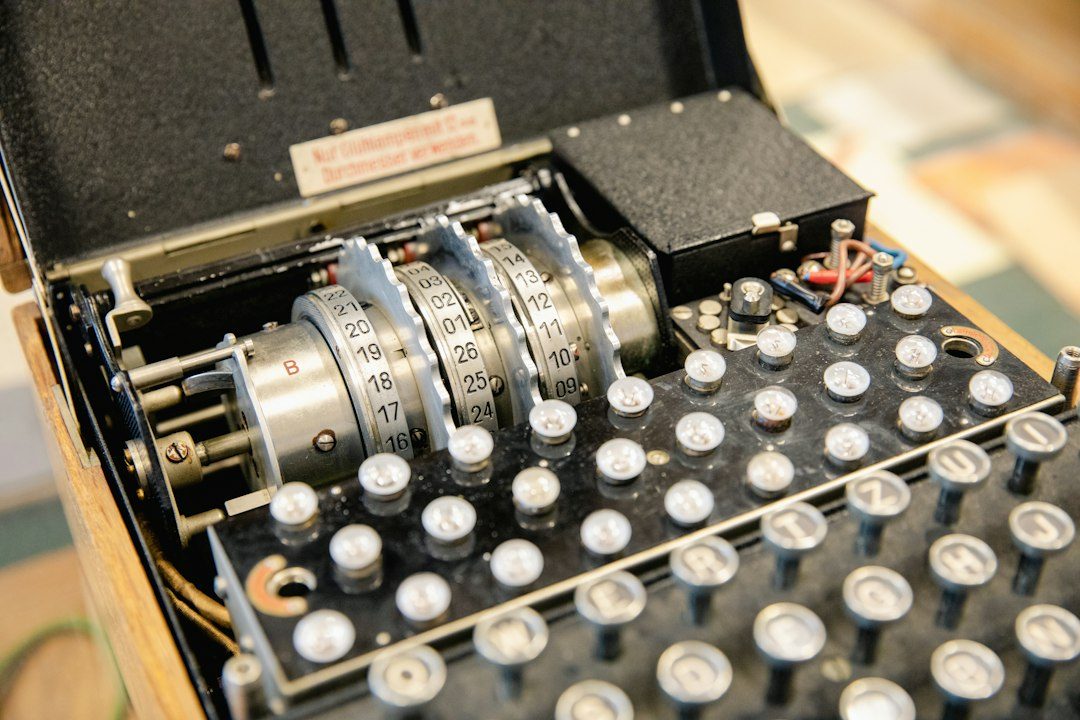
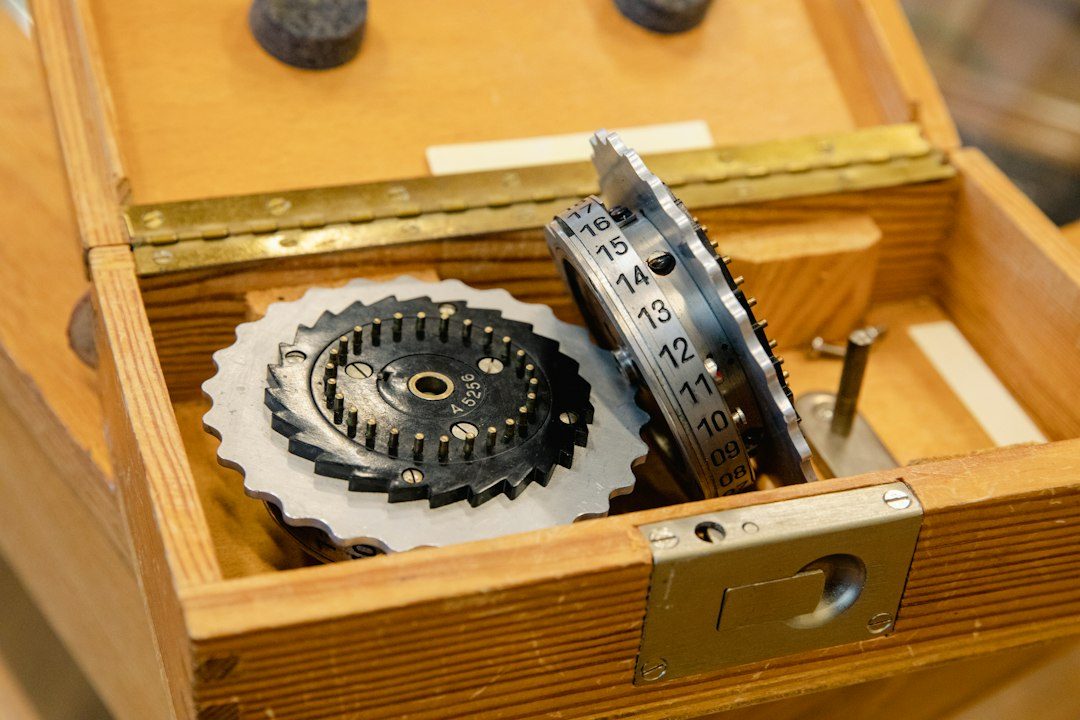
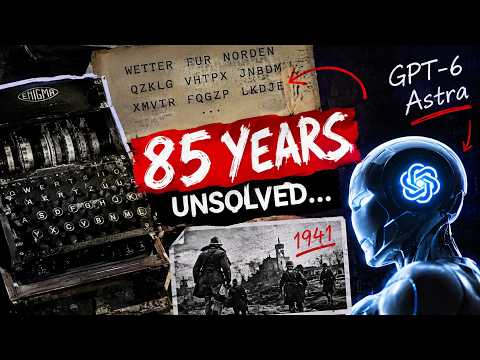
A German Army Enigma message from July 10, 1941 resisted every attempt to break it for 21 years. On September 15, 2026, OpenAI's GPT-6 Astra cracked it in about ten hours of autonomous work.

The 82-letter message, logged as Nr. 172 by an SS-Totenkopf radio station, was the last unbroken message from that day's traffic. The model spotted a link to a related message, chose a 14-letter crib, and wrote its own Enigma simulator and Bombe software in Python and C++.

Why it matters

An AI model autonomously broke a cipher that defeated human cryptanalysts for two decades, writing its own cryptanalytic tools in the process.

Questions about this story

Free account needed to ask — your question is kept and asked for you right after sign-up. Answers are public.

No questions yet — be the first to ask.

Key Indicators

21 years
Time the message resisted solution
Listed as unbroken on CryptoCellar since 2005, broken September 2026.
82
Letters in the plaintext
The MVUEH message asks for a route of march and gives a location in Rosenow.
10 hours
GPT-6 Astra's work time
The Extra High variant ran about ten hours on the problem.
14
Letters in the ROSENOW crib
The repeated place name from a related 2017 break narrowed the key search.
159 quintillion
Possible daily Enigma settings
Brute force was hopeless; the crib-based search made the break tractable.

Voices

Curated perspectives — historical figures and your fellow readers.

Ever wondered what historical figures would say about today's headlines?

Sign up to generate historical perspectives on this story.

People Involved

Organizations Involved

Timeline

July 1941 September 2026

6 events Latest: 5 days ago
Tap a bar to jump to that date
  1. Case study published

    Latest Publication

    Leffer posts the case study on X; SWARM publishes an independent review using a separate simulator.

  2. Break validated by Frode Weierud

    Validation

    Leffer sends the key and plaintext to Weierud, who confirms them immediately.

  3. Related message SIPVX broken

    Break

    Alex Shovkoplyas breaks Nr. 173, SIPVX, from the same day, providing the ROSENOW crib.

  4. MVUEH listed among unbroken Enigma messages

    Publication

    Frode Weierud's CryptoCellar site catalogs the message as unsolved.

  5. German Army sends Enigma message MVUEH

    Transmission

    Radio station 2ny sends an 82-letter message, logged as Nr. 172 by SS-Totenkopf station Ib.

Scenarios

1

GPT-6 Astra clears remaining unbroken Enigma messages

Likely Resolves by Q1 2027

Discussed by: Frode Weierud's CryptoCellar site and the cryptanalytic community

The model demonstrated it can break messages that resisted human effort. Applied to the remaining unbroken Enigma traffic on CryptoCellar, it could clear the backlog. The method, AI models writing their own cryptanalytic tools, is now proven.

2

AI-assisted cryptanalysis becomes standard for historical ciphers

Possible Resolves by Q3 2027

Discussed by: Cryptographic historians and AI researchers

The method could be adopted for other unsolved historical ciphers. A peer-reviewed paper describing AI-assisted breaking of a historical cipher would mark the transition from one-off demonstration to accepted practice.

3

Break challenged or found to have errors

Unlikely Resolves by End of 2026

Discussed by: Cryptanalytic community

Weierud verified the break, but independent replication could reveal issues. The case study says separate implementations reproduced the message and header result, and re-encryption turned the plaintext back into the original ciphertext.

Historical Context

3 moments from history that rhyme with this story — and how they unfolded.

1939-1945

Bletchley Park breaks Enigma (1939-1945)

British codebreakers at Bletchley Park, led by Alan Turing and Gordon Welchman, broke German Enigma traffic using electromechanical Bombe machines and crib-based attacks. The crib method, guessing a known plaintext phrase, was central to their success.

Then

The intelligence, codenamed Ultra, shortened the war and shaped Allied strategy.

Now

The methods established modern cryptanalysis and the foundation of computing.

Why this matters now

GPT-6 Astra's method, using a crib and a Bombe-style search, mirrors the original Bletchley approach. The difference is that the model wrote its own tools.

June 2017

SIPVX break (2017)

Alex Shovkoplyas broke message Nr. 173, SIPVX, from July 10, 1941, recovering a key that differed from the daily key for that day. The plaintext contained the repeated place name ROSENOW.

Then

The break provided the ROSENOW crib that GPT-6 Astra later used for MVUEH.

Now

It showed that the daily key for July 10, 1941, did not apply to all messages from that day.

Why this matters now

The 2017 break was the key enabler for the 2026 break. Without the ROSENOW crib, the search space would have been far larger.

September 2026

GPT-6 Astra solves WWI ADFGVX cipher (September 2026)

Days before the Enigma break, GPT-6 Astra solved a 108-year-old WWI German radio cipher using TRUPPENVERSCHIEBUNG as the key. The decoded message about a British cruiser arriving in Sevastopol was verified against HMS Canterbury's original logs.

Then

The model demonstrated the same autonomous cryptanalysis capability on a different cipher system.

Now

Two independent solves in the same month suggest a general capability, not a one-off.

Why this matters now

The WWI solve and the Enigma break together point to a repeatable method for historical cryptanalysis.

Sources

(10)