
Pull to refresh
Logo
Orkney's first mainland power cable clears factory testing

Orkney's first mainland power cable clears factory testing

Built World

A 220-megawatt link will let the islands export surplus wind power to Britain for the first time

Overview

Updated 1 hour ago

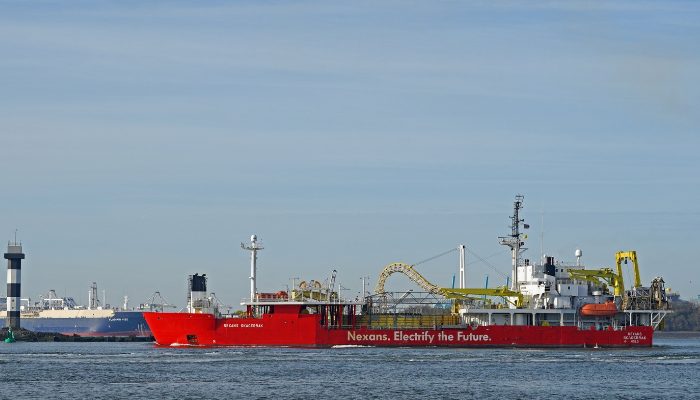
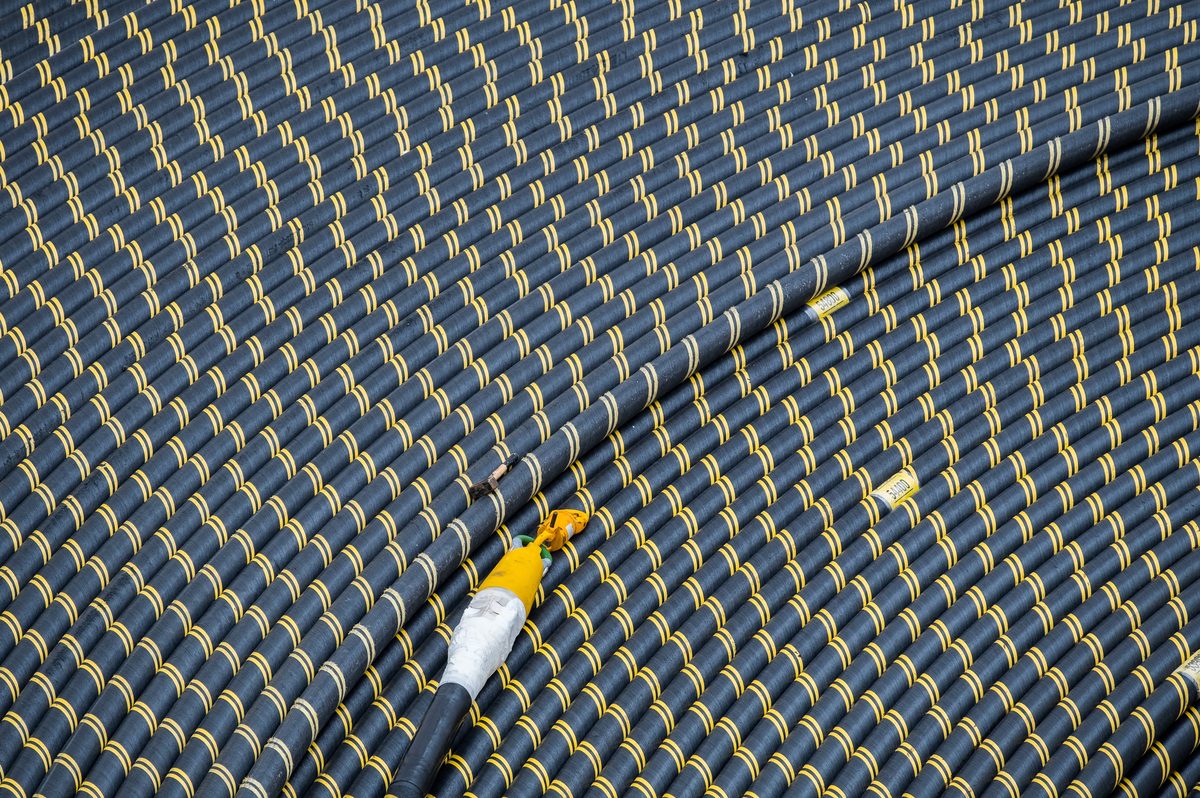
Orkney has produced more electricity than it can use for most of the past seventy-five years, with no cable to carry the surplus to the British mainland. On 13 November 2026, cable maker Nexans completed factory acceptance testing of the 220-kilovolt subsea cable built to change that.

The cable is the offshore half of the Orkney Link, a project developed by SSEN Transmission. It pairs a new substation at Finstown on Orkney with 14 kilometres of underground cable to Warebeth, a 53-kilometre subsea crossing of the Pentland Firth, and a new substation at Dounreay in Caithness. Offshore installation is scheduled for 2027.

Why it matters

Once energised, the link lets Orkney's wind and tidal generators send up to 220 megawatts to Britain instead of switching off.

Questions about this story

Free account needed to ask — your question is kept and asked for you right after sign-up. Answers are public.

No questions yet — be the first to ask.

Key Indicators

220 MW
Link capacity
Maximum renewable capacity the cable can connect and export to the mainland grid.
53 km
Subsea cable length
The offshore section crossing the Pentland Firth from Orkney to Caithness.
14 km
Onshore cable route
Underground cable across Orkney from Finstown to Warebeth.
£900M
Estimated investment
Figure given by BAM Group for the substation and cable works.

Voices

Curated perspectives — historical figures and your fellow readers.

Sign up to generate historical perspectives on this story.

Organizations Involved

Timeline

November 2023 2027

7 events Latest: Today
Tap a bar to jump to that date
  1. Offshore installation campaign planned

    Upcoming Construction

    Nexans is scheduled to lay the 53-kilometre subsea cable across the Pentland Firth.

  2. Subsea cable passes factory acceptance test

    Today Milestone

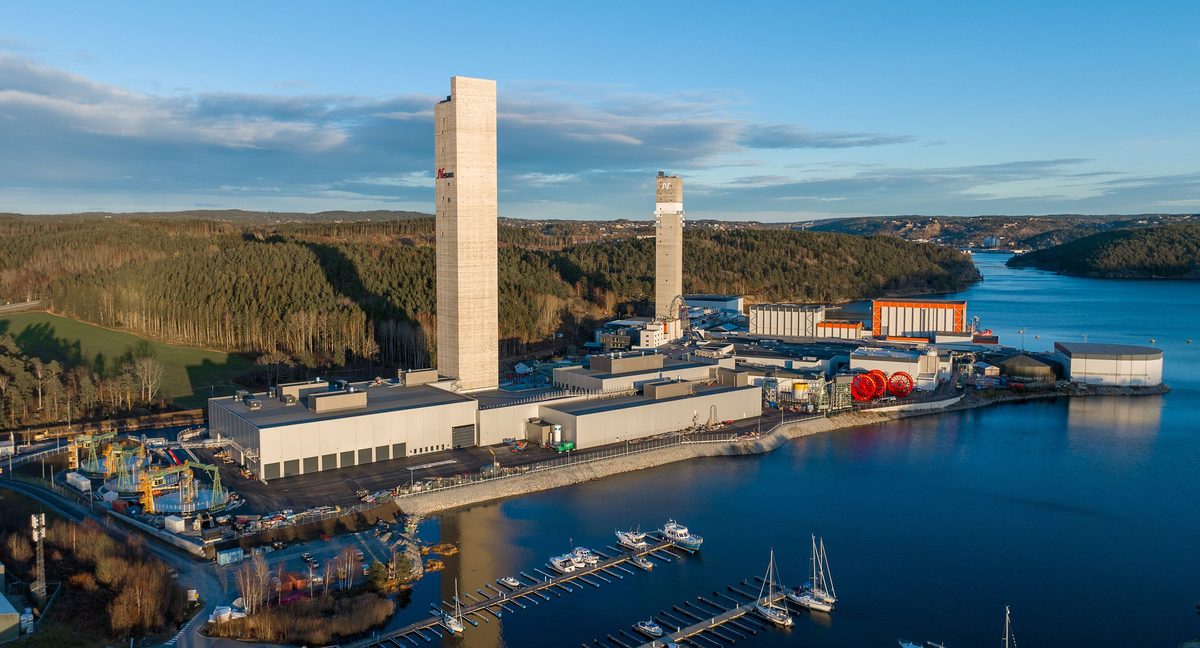
    Nexans completes testing of the 220 kV subsea cable after more than a year of manufacturing in Halden, Norway.

  3. Underground cable installation begins on Orkney

    Construction

    Teams begin pulling cable through ducts along the 14-kilometre Finstown-to-Warebeth route.

  4. Dounreay landfall drilling completed

    Construction

    An 830-metre underground duct is installed from the Dounreay landfall to beneath the seabed.

  5. Nexans signs Orkney Link cable contract

    Contract

    Nexans agrees to produce and install the 220 kV land and subsea cable systems.

  6. Supply chain contracts awarded

    Contract

    Siemens Energy and BAM win substations; RJ McLeod wins ducting; Nexans wins cable manufacture and installation.

  7. SSEN reserves cable capacity with Nexans

    Contract

    SSEN Transmission signs a capacity reservation agreement with Nexans ahead of the full Orkney Link cable contract.

Scenarios

1

Orkney Link energises and starts exporting power

Likely Resolves by End of 2028

Discussed by: SSEN Transmission project updates; Nexans

Nexans lays the subsea cable in 2027, jointing and testing finish, and SSEN Transmission energises the link between 2027 and 2028. Orkney generators then export surplus power to the GB transmission network for the first time.

2

Offshore cable installation slips past 2027

Possible Resolves by End of 2027

Discussed by: Offshore Energy; project schedule reporting

Weather windows in the Pentland Firth are narrow and tidal currents can exceed 10 knots. A missed installation season would push the subsea campaign into 2028 and delay energisation.

3

Orkney's 220 MW fills up and calls grow for a second cable

Possible Resolves by End of 2029

Discussed by: Born to Engineer; energy trade press

Shetland's link drew new wind proposals once developers had an export route. If Orkney follows the same pattern, the 220 MW capacity could be fully allocated before or shortly after energisation, prompting requests for additional transmission capacity.

Historical Context

2 moments from history that rhyme with this story — and how they unfolded.

1951

Costa Head wind turbine (1951)

A single wind turbine began turning at Costa Head on Orkney's Mainland, becoming the first machine in Britain to supply power to what later became the national grid.

Then

The experiment was short-lived, but it established Orkney as an early site for wind-generated electricity.

Now

Orkney went on to host more than 500 domestic wind turbines and wave and tidal test sites, producing more renewable electricity than the islands could use.

Why this matters now

The islands have been able to generate surplus power for decades. The missing piece was always a cable to carry it off the islands.

2024

Shetland HVDC link (2024)

SSEN Transmission energised a high-voltage direct current cable connecting Shetland to the Scottish mainland, ending the islands' isolation from the transmission network.

Then

The link gave Shetland wind projects a route to market.

Now

New wind projects were proposed once developers saw there was a destination for the power, a pattern Orkney may repeat.

Why this matters now

Shetland is the closest precedent for what an export cable does to renewable development on an isolated island group.

Sources

(7)