
Coalition to build data center and dedicated power campus at DOE's Paducah site
Built WorldA $100 billion project turns a shuttered Cold War uranium plant into an AI computing and power hub
July 29th, 2026: $100 billion Paducah campus announcedNew here? Follow stories to track developments over time. Create a free account to get updates when stories you care about change.
Overview
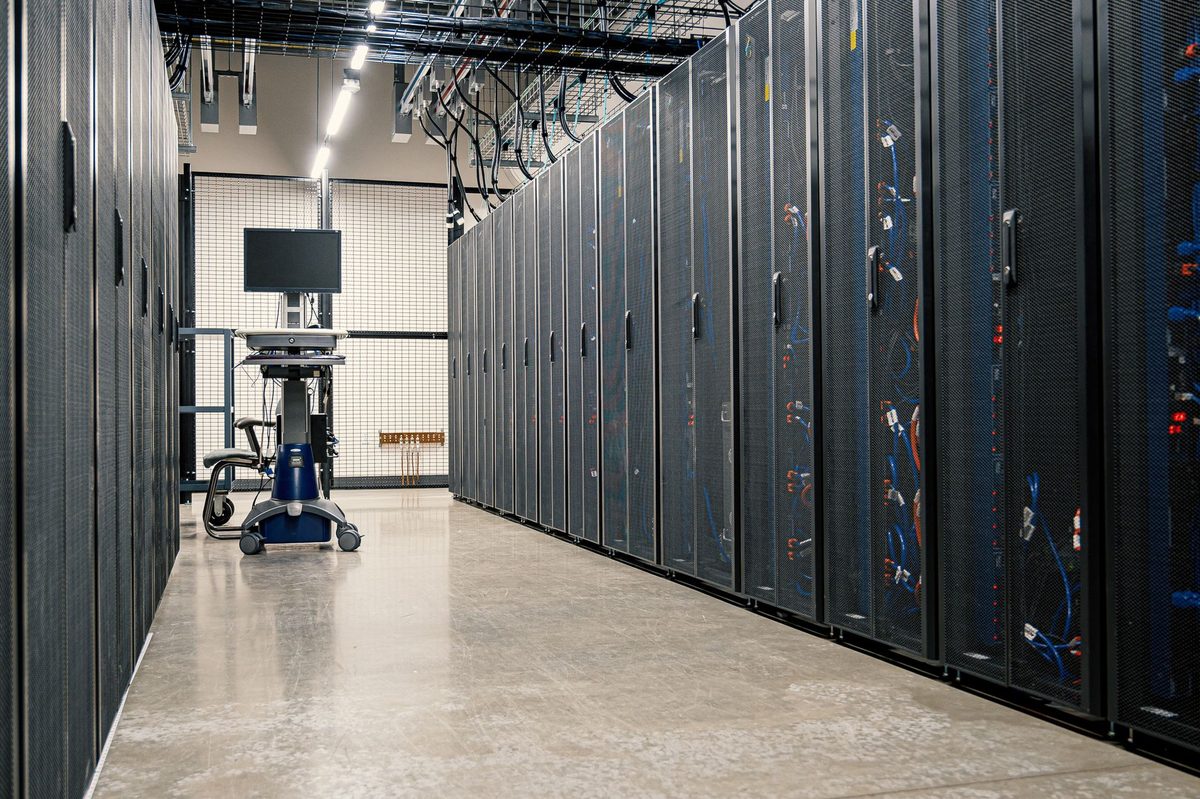
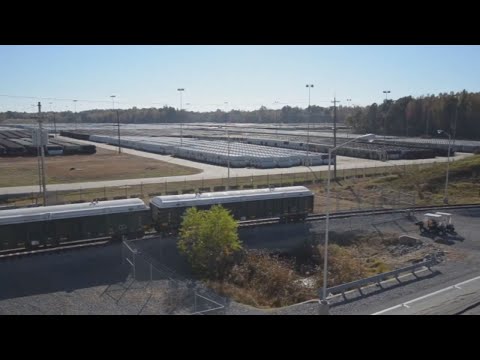
A Cold War uranium plant near Paducah, Kentucky enriched fuel for bombs and reactors, then sat idle after 2013. Now a coalition led by Brookfield and NextEra Energy plans to spend about $100 billion turning part of that federal land into one of the country's largest AI computing campuses.
The plan pairs the data center with its own power plants. The project pays for up to 4.6 gigawatts of new generation built only to serve the site, so existing households and small businesses are not billed for the campus's electricity.
Why it matters
AI data centers are straining local grids and raising home power bills. This project tests whether builders can pay for their own electricity instead.
Questions about this story
No questions yet — be the first to ask.
Key Indicators
Voices
Curated perspectives — historical figures and your fellow readers.
Play
Exploring all sides of a story is often best achieved with Play.
Higher or Lower
A number from this story, against one from elsewhere in the news — guess which is bigger, then keep the chain going. 5 rounds, 3 strikes; a miss costs a strike and resets your streak.
Keyboard: ↓/L lower · ↑/H higher
0 points — sign up to put that on the leaderboard.
Timeline
Order five events from this story, oldest at top. Each in the right slot scores 1 — neighbours within one slot count too. Your previous result — green ✓ for exact slots, yellow ~ for off by one. Cards now in true chronological order.
Sign up to save your score and track a streak across stories.
Connections
Sixteen names from the news. Find the four hidden groups of four. Four mistakes max.
Sign up to keep a daily streak — a new puzzle lands every day.
Exit debate?
Your progress in this debate will be lost.
- 1 Two AI personas square off on this story.
- 2 You predict who'll win each round — correct picks earn XP.
- 3 One crossfire question is yours to fire. Pick it carefully.
Couldn't generate a topic
Select Your Champions
Choose one persona for each side of the debate
DEBATE TOPIC
Choose personas with different perspectives for a more dynamic debate.
Select debater for this side:
No debate personas available right now.
Select debater for this side:
No debate personas available right now.
Who's Got This Round?
Make your prediction before the referee scores
The referee scores both sides on
Round Results
Set the Crossfire
Pick the question both personas must answer in the final round
Debate Oracle! You called every round!
Sharp Instincts! You know your debaters!
The Coin Flip Strategist! Perfectly balanced!
The Contrarian! Bold predictions!
Inverse Genius! Try betting the opposite next time!
XP Breakdown
Prediction History
People Involved
Organizations Involved
Brookfield is a global infrastructure investor chosen to build and run the Paducah computing campus.
NextEra will build and own the natural gas plants and battery storage that power the Paducah campus.
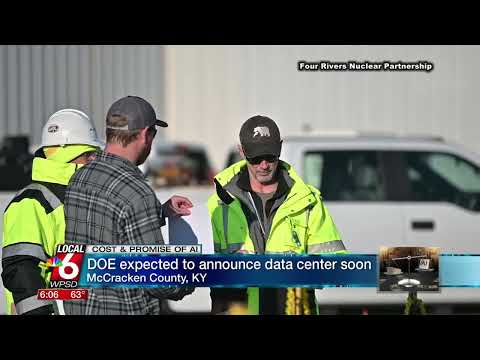
The Department of Energy owns the Paducah site and opened it to private AI development.
Big Rivers is a Western Kentucky generation and transmission cooperative helping connect the campus to the grid.
Timeline
January 1952 July 2026
-
$100 billion Paducah campus announced
Latest AnnouncementBrookfield and NextEra lead a coalition to build a data center campus with up to 4.6 GW of dedicated new power, targeting full build-out by 2032.
-
DOE opens four federal sites to AI developers
PolicyThe Department of Energy names Paducah, Idaho National Laboratory, Oak Ridge and Savannah River for private data center and power projects.
-
Enrichment ends, plant returns to DOE
BackgroundCommercial enrichment stops and the facilities go back to the Department of Energy's cleanup program.
-
Site added to Superfund list
BackgroundContamination of soil and groundwater lands the plant on the federal Superfund National Priorities List.
-
Paducah uranium plant opens
BackgroundThe Paducah Gaseous Diffusion Plant begins enriching uranium, first for weapons and later for reactor fuel.
Historical Context
3 moments from history that rhyme with this story — and how they unfolded.
Hanford site reuse push (2015-2020)
The Department of Energy sought private reuse of parts of its Hanford nuclear reservation in Washington, another Cold War weapons site under long-term cleanup. Some parcels drew solar and industrial interest while remediation continued nearby.
A few parcels saw new use, but active cleanup limited how much land could be redeveloped quickly.
It showed that contaminated federal sites can be partly repurposed, though environmental work sets the pace.
Paducah is also an active cleanup site. Hanford shows both the appeal and the friction of building on legacy nuclear land.
Amazon-Talen nuclear-powered data center deal (2024)
Amazon agreed to buy a data center campus next to Talen Energy's Susquehanna nuclear plant in Pennsylvania, drawing power directly from the reactor rather than the open grid. Regulators later scrutinized the arrangement.
The deal advanced the idea of pairing big computing loads with dedicated on-site power.
It sparked a national debate over whether such deals help or shift costs onto other grid customers.
Paducah uses the same co-location logic but adds new-build gas and batteries, aiming to answer the cost-shifting worry directly.
Foxconn Wisconsin plant (2017-2021)
Foxconn promised a $10 billion factory and 13,000 jobs in Wisconsin with heavy public backing. The project was repeatedly downsized and delivered a fraction of what was pledged.
Early groundbreaking and political fanfare gave way to shrinking targets.
It became a cautionary tale about the gap between megaproject announcements and what gets built.
The $100 billion Paducah figure is an announcement, not a finished campus. Foxconn is the reason to watch scope and jobs, not just headlines.
