

Pull to refresh
Logo
Papua New Guinea launches national HPV vaccination for girls

Papua New Guinea launches national HPV vaccination for girls

New Capabilities

Single-dose vaccine targets 60,000 girls aged 9–14 in first phase to cut cervical cancer, the country's leading cause of cancer deaths among women

September 8th, 2026: National launch at Port Moresby school

Overview

Updated 1 hour ago

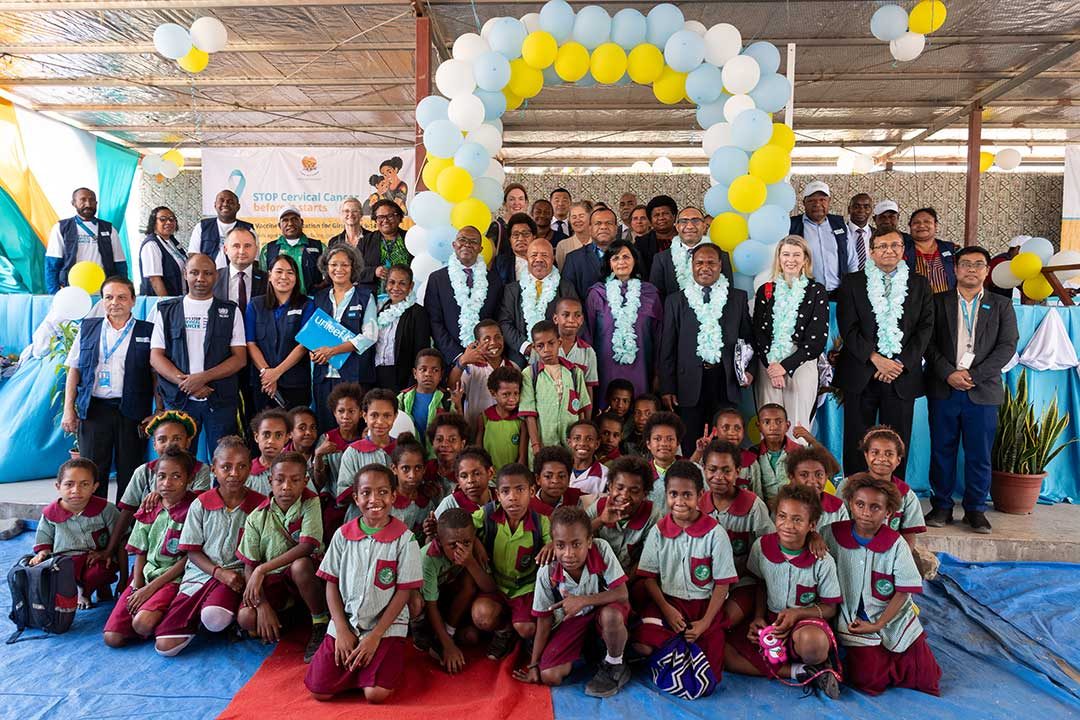
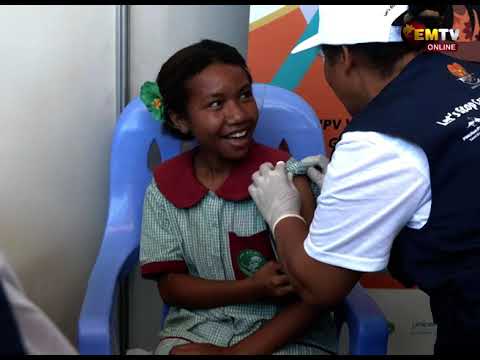
Papua New Guinea introduced human papillomavirus (HPV) vaccination into its national immunization program on September 8, 2026. At a ceremony at New Erima Primary School in Port Moresby, health workers gave the first single doses to girls aged 9–14.

Cervical cancer kills about 650 women in Papua New Guinea each year, making it the country's leading cause of cancer deaths among women. More than 95% of cervical cancer cases are caused by HPV, and the one-dose vaccine protects against the strains responsible for up to 90% of cases.

Why it matters

About 650 women die of cervical cancer in Papua New Guinea each year; the single-dose HPV vaccine can prevent most of those deaths.

Questions about this story

Free account needed to ask — your question is kept and asked for you right after sign-up. Answers are public.

No questions yet — be the first to ask.

Key Indicators

60,000
Girls targeted in first phase
Eligible girls aged 9–14 in National Capital District and Central Province.
~650
Annual cervical cancer deaths among PNG women
Another 1,000+ women are diagnosed with the disease each year.
162+
Countries with national HPV vaccination programs
PNG joins a global effort that has protected millions of girls since 2006.
280,000
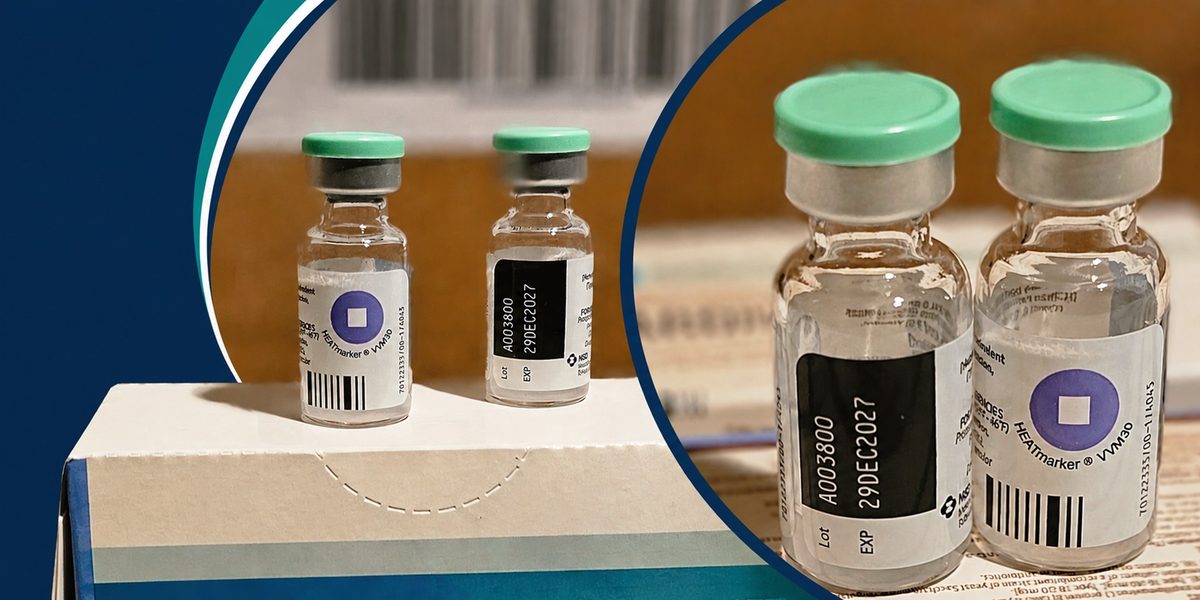
Vaccine vials planned
First shipment of 100,000 vials arrived in August 2026.
9–14
Age range targeted
Girls receive one dose before potential exposure to the virus.

Voices

Curated perspectives — historical figures and your fellow readers.

Ever wondered what historical figures would say about today's headlines?

Sign up to generate historical perspectives on this story.

People Involved

Organizations Involved

Timeline

August 2026 September 2026

2 events Latest: September 8th, 2026 · 1 week ago
  1. National launch at Port Moresby school

    Latest Launch

    Government introduces HPV vaccine into national immunization program; first doses given to girls aged 9–14 at New Erima Primary School.

  2. First HPV vaccine shipment arrives in Papua New Guinea

    Logistics

    100,000 vials land from Denmark, moved by Scan Global Logistics and Air Niugini Cargo.

Scenarios

1

Phase 1 hits high coverage across first two provinces

Likely Resolves by Q2 2027

Discussed by: Gavi and WHO officials expect school-based delivery to reach most eligible girls; UNICEF supports school and community outreach.

Vaccination runs through schools, health facilities, and community outreach in the National Capital District and Central Province through late 2026 and early 2027. If the program reaches its 60,000-girl target, the government expands to other provinces using the same delivery model.

2

Delivery gaps slow the national expansion

Possible Resolves by Q2 2027

Discussed by: Gavi's Sania Nishtar flagged delivery as the biggest challenge; UNICEF warned El Niño water shortages could close schools and disrupt access.

Cold-chain limits, missed girls who are out of school, or El Niño-driven school closures could leave coverage short of the target. Shortfalls would delay the government's planned expansion beyond the first two provinces.

3

PNG sustains buy-in for long-term cervical cancer elimination

Uncertain Resolves by End of 2030

Discussed by: WHO's Rajendra-Prasad Yadav said high vaccination coverage plus screening and treatment could put the country on an elimination path.

Beyond phase 1, PNG maintains funding, partnerships, and cold-chain capacity to sustain high coverage nationwide over a decade. WHO's global elimination targets require 90% vaccination coverage, 70% screening, and 90% treatment access.

Historical Context

2 moments from history that rhyme with this story — and how they unfolded.

April 2007

Australia's national HPV program (2007)

Australia became the first country to fund universal HPV vaccination, starting with girls aged 12–13 and later adding boys. School-based delivery kept coverage high across the country.

Then

Within 15 years, HPV prevalence among vaccinated young women fell by roughly 90%.

Now

Modeling puts Australia on track to eliminate cervical cancer within the next two decades.

Why this matters now

Australia's trajectory shows the measurable payoff of a well-run national HPV program, and it is a partner in the PNG rollout.

April 2011

Rwanda's national HPV rollout (2011)

Rwanda became the first low-income African country to introduce national HPV vaccination with Gavi support, delivering shots through schools to girls in grade six. Within a few years, coverage in target cohorts exceeded 90%.

Then

Rwanda hit high coverage quickly, showing that school-based delivery works in low-resource settings.

Now

The program became a model for other Gavi-supported countries rolling out HPV vaccination.

Why this matters now

Papua New Guinea is using the same school-based delivery model that made Rwanda's rollout work.

Sources

(8)