
Pull to refresh
Logo
Liverpool council approves downsized Liverpool Waters masterplan

Liverpool council approves downsized Liverpool Waters masterplan

Built World

Peel's 60-hectare docklands scheme loses over 3,000 homes, most of its office space and nearly all its parking

Overview

Updated 3 hours ago

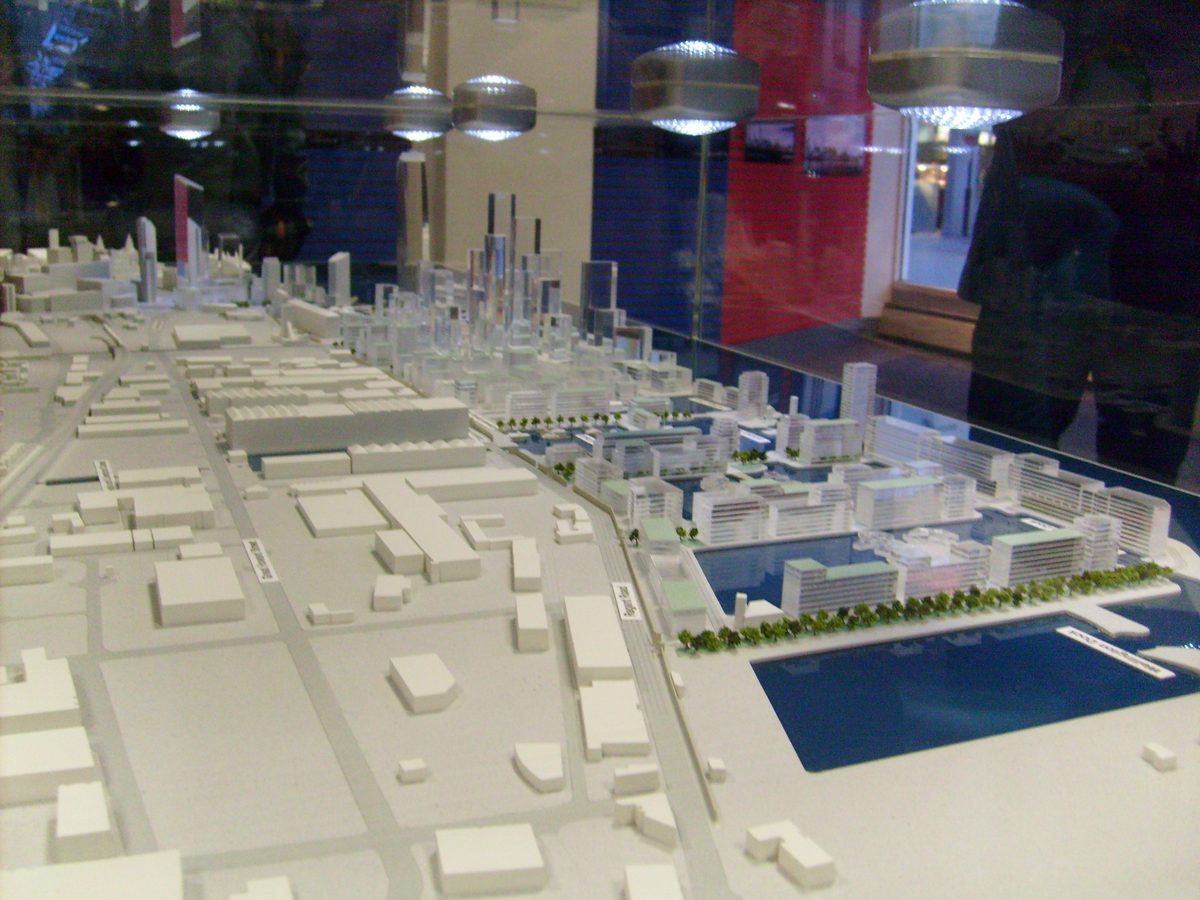
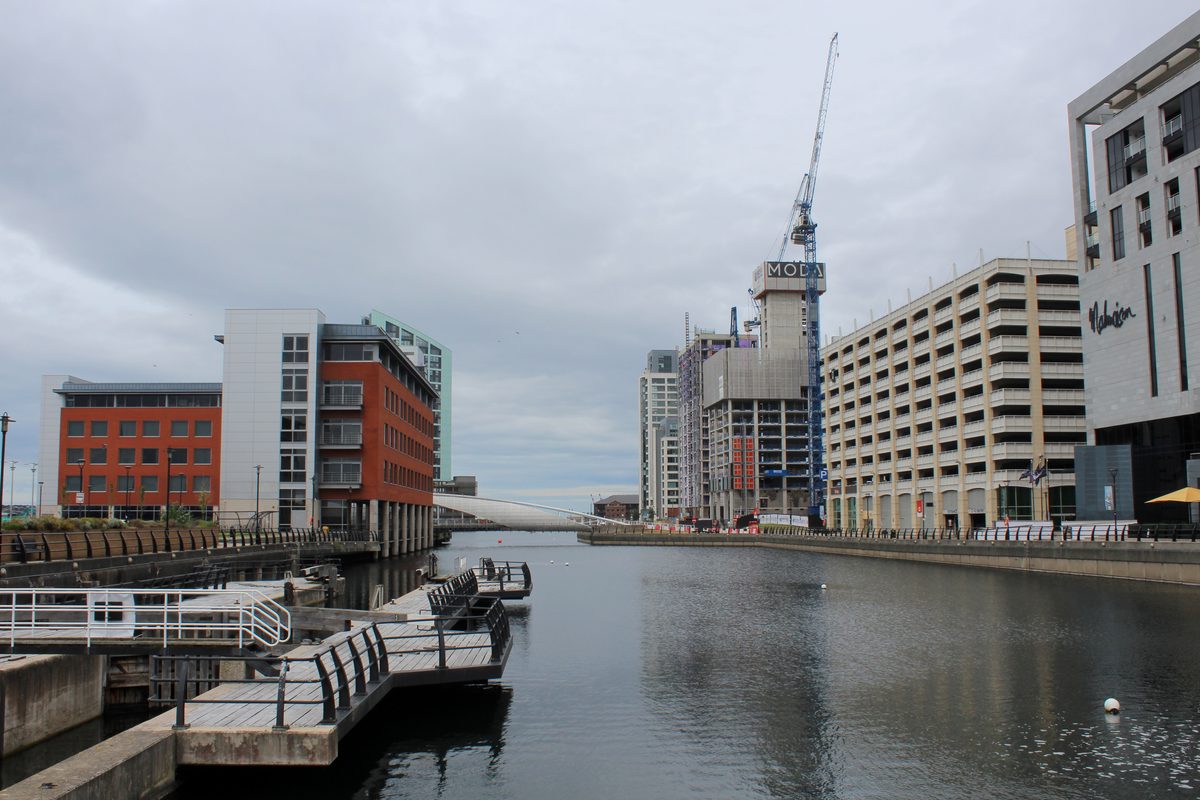
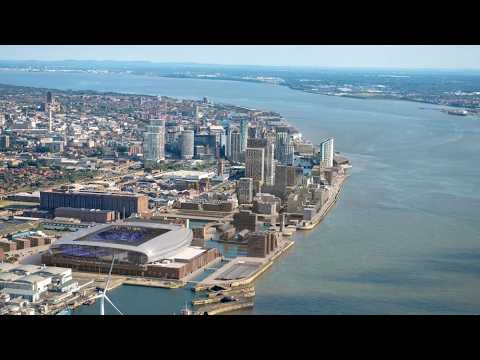
Liverpool's waterfront masterplan was approved in 2013 with headroom for 9,000 homes, 3.4 million square feet of offices and 13,100 parking spaces. On 24 November 2026 the city's planning committee voted 7-1 to cut all three.

The revised consent allows 5,836 homes, 20% of them affordable, across the same 60 hectares running 2.5km from Princes Dock to the Northern Docks. Offices fall to 1.25 million square feet, retail from 880,000 to 278,000 square feet, and parking to 2,370 spaces. Planit, the architect, told councillors the "world had changed" since 2013, citing the climate emergency, the pandemic and the war in Ukraine.

Why it matters

A third of the homes promised on Liverpool's waterfront are gone; the 30-year build-out now rests on 5,836 units selling.

Questions about this story

Free account needed to ask — your question is kept and asked for you right after sign-up. Answers are public.

No questions yet — be the first to ask.

Key Indicators

5,836
Homes allowed under the revised consent
Down from 9,000 in the 2013 outline approval.
3,164
Homes removed from the 2013 cap
Building magazine reported the cut as "more than 3,000 homes".
20%
Affordable share of the new homes
The 1,275 homes already built under separate permissions are counted outside the cap.
2,370
Parking spaces allowed
Down from 13,100; all underground parking was dropped from the plan.
1.25m sq ft
Office space allowed
Down from 3.4 million square feet in 2013.
£5.5bn
Stated value of the Liverpool Waters scheme
Peel describes it as a multi-decade delivery programme.

Voices

Curated perspectives — historical figures and your fellow readers.

Sign up to generate historical perspectives on this story.

People Involved

Organizations Involved

Timeline

2013 November 2026

4 events Latest: 2 days ago
Tap a bar to jump to that date
  1. Peel Waters publishes statement on the approval

    Latest Statement

    The developer calls the revised framework a milestone and points to the Central Docks park, expected to open in spring 2028.

  2. Planning committee approves revised masterplan, 7-1

    Decision

    After a morning site visit and more than 90 minutes of debate, councillors back 5,836 homes and 2,370 parking spaces.

  3. Peel applies to vary the 2013 consent

    Filing

    A Section 73 application, the mechanism for changing an existing planning permission, is lodged with the council.

  4. Outline consent granted for 9,000-home Liverpool Waters

    Approval

    Liverpool City Council approves Peel's outline application for 60 hectares of dockland, setting maximum parameters for homes, offices, retail and parking.

Scenarios

1

First Central Docks housing plots win detailed consent

Likely Resolves by End of 2027

Discussed by: Everton news site everton.news, which noted that each of the five neighbourhoods still needs its own detailed plans signed off.

The outline consent sets ceilings, not buildings. Peel must return with reserved matters applications for each plot, and the 26-acre Central Docks neighbourhood, with roughly 2,350 homes, is the largest. Approval of a first residential plot would show the lower numbers still add up to construction.

2

Central Docks waterfront park opens to the public

Likely Resolves by End of 2028

Discussed by: Peel Waters, whose approval announcement gives spring 2028 as the expected opening.

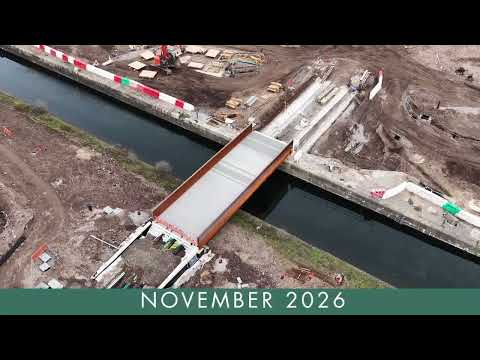
The five-acre park is already under construction as part of an £81m infrastructure programme, with more than 3,000 trees planned. Its opening would be the most visible public gain from the revision, which otherwise mostly reduces what can be built.

3

Peel returns with a further downsizing amendment

Unlikely Resolves by Q2 2029

Discussed by: No party has proposed one; the scenario follows from the viability argument Peel made in its 2024 application.

Peel built its case on material costs and changed demand, and the 2013 consent was written with maximum parameters to allow exactly this kind of return. A second Section 73 application that cuts homes or the 20% affordable requirement would show the economics have not settled.

Historical Context

3 moments from history that rhyme with this story — and how they unfolded.

1981–1991

London Docklands and Canary Wharf (1981–1991)

The London Docklands Development Corporation was created in 1981 to take over derelict dock land east of the City of London. Canary Wharf's towers followed in the late 1980s, built on promises of transport links that had not yet been funded.

Then

The first offices opened into a property slump, and developer Olympia & York collapsed in 1992 with floors still empty.

Now

The Jubilee Line extension reached the site in 1999, and Canary Wharf became a second financial district.

Why this matters now

Liverpool Waters is the same bet at smaller scale: a multi-decade build-out that depends on transport arriving close behind the buildings.

2001–present

Hamburg's HafenCity (2001–present)

Hamburg rezoned roughly 150 hectares of working port into a new city district, released in phases tied to a public masterplan rather than a single developer timetable.

Then

Early phases took longer and cost more than planned; the Elbphilharmonie concert hall opened in 2017, years late.

Now

The district filled in over two decades, with schools, parks and flood defences built alongside the housing.

Why this matters now

It shows what a phased, infrastructure-first waterfront plan can deliver, and how long the public has to wait for the parts that are not apartments.

1981–1988

Albert Dock, Liverpool (1981–1988)

The Merseyside Development Corporation took on Liverpool's derelict south docks, with the Albert Dock complex restored and reopened in 1988.

Then

Public money and heritage restoration pulled visitors and tenants back to a waterfront that had been closed off for years.

Now

The dock became the anchor of Liverpool's visitor economy and the precedent for the northern docks' redevelopment.

Why this matters now

Liverpool's waterfront has been rebuilt in waves before, each one hinging on public infrastructure before private money.

Sources

(7)