
Pull to refresh
Logo
Boil water advisory issued for parts of West Philadelphia after Belmont plant power loss

Boil water advisory issued for parts of West Philadelphia after Belmont plant power loss

Built World Philadelphia, PA local

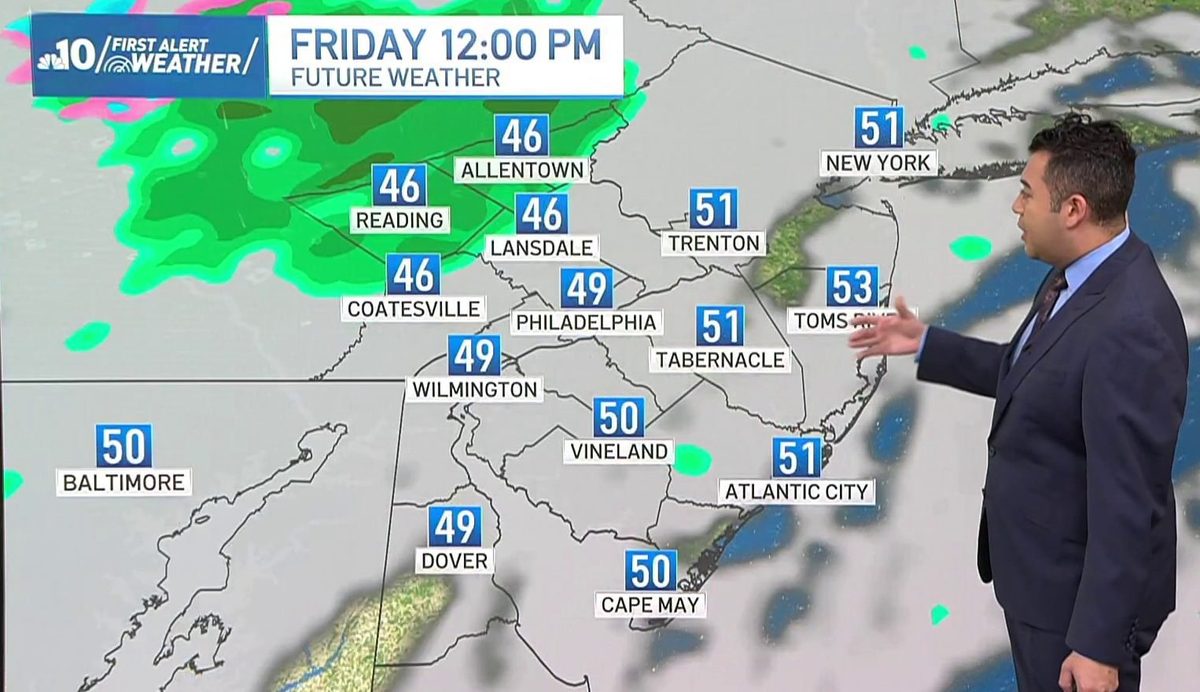
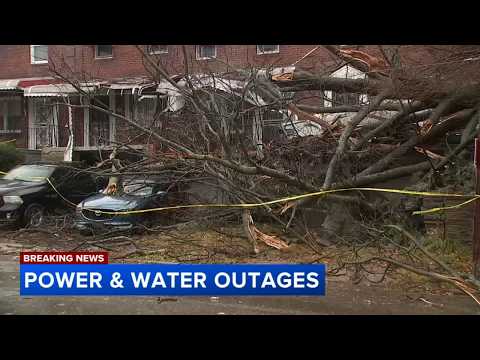
A Thanksgiving nor'easter knocked out power to the Belmont Water Treatment Plant, leaving about 18,000 customer accounts with low pressure or no water.

Overview

Updated 1 hour ago

About 18,000 customer accounts in upper West Philadelphia are under a boil water advisory after a Thanksgiving power failure at the Belmont Water Treatment Plant. The plant lost electricity around 4 p.m. Thursday, dropping pressure; the advisory took effect at 8:30 p.m.

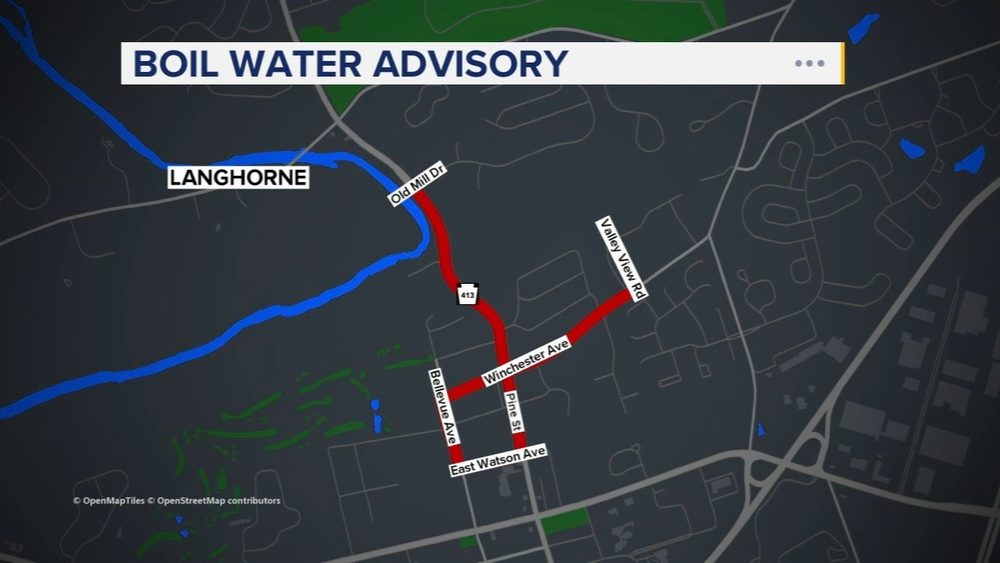
The advisory covers all of ZIP code 19151 and parts of 19131 and 19139. City crews are flushing the system and testing for coliform bacteria, which can signal contamination. The Philadelphia Water Department expects to lift the advisory by Saturday, Nov. 28.

Why it matters

One power loss at a water plant put 18,000 accounts under a boil order, showing how quickly a storm can disrupt drinking water.

Last Monday's email for Philadelphia, PA

Sent Nov 23. It carried:

Get next Monday's: one short email a week. Free. Unsubscribe in one click.

Questions about this story

Free account needed to ask — your question is kept and asked for you right after sign-up. Answers are public.

No questions yet — be the first to ask.

Key Indicators

18,000
Customer accounts affected
Philadelphia Water Department estimate for the boil water advisory area.
48 hours
Minimum advisory duration
State rules require at least 48 hours before an advisory can be lifted.

Voices

Curated perspectives — historical figures and your fellow readers.

Sign up to generate historical perspectives on this story.

People Involved

Organizations Involved

Timeline

4 events Latest: Today
Tap a bar to jump to that date
  1. PWD flushes system and samples for bacteria

    Today Response

    Pressure is restored; crews test for coliform and expect to lift advisory Saturday.

  2. Thanksgiving nor'easter knocks out power across region

    Weather

    The storm cut electricity to parts of Philadelphia, including the Belmont plant.

  3. Belmont plant loses power, water pressure drops

    Infrastructure

    Plant lost electricity around 4 p.m., causing a pump failure and low pressure.

  4. Boil water advisory issued for upper West Philadelphia

    Public Health

    Advisory took effect at 8:30 p.m., covering about 18,000 customer accounts.

Scenarios

1

Advisory lifted by Saturday, Nov. 28

Likely Resolves by Nov 28, 2026

Discussed by: Philadelphia Water Department

The department said it expects to resolve the problem by Saturday, Nov. 28, after flushing the system and getting two consecutive days of clean coliform samples. If the samples come back clean, the advisory would be lifted over the weekend.

2

Advisory lasts into next week

Possible Resolves by Dec 2, 2026

Discussed by: SNJ Today

Each set of lab results takes 18 to 24 hours, and state rules require two consecutive clean days. SNJ Today notes the final all-clear can come several days after the outage, making a weekend lifting optimistic.

Historical Context

2 moments from history that rhyme with this story — and how they unfolded.

May 2000

Walkerton water contamination (2000)

Manure runoff entered a municipal well in Walkerton, Ontario, after heavy rain. The town's water system did not adequately treat or test the water, and E. coli contaminated the supply.

Then

Seven people died and about 2,300 became ill; the town had to boil water for months.

Now

An inquiry led to Ontario's Clean Water Act and stricter source-water protection rules.

Why this matters now

The case shows how quickly a treatment failure can turn a utility's water into a public health emergency and why boil water advisories are issued before contamination is confirmed.

March-April 1993

Milwaukee Cryptosporidium outbreak (1993)

The Howard Avenue Water Treatment Plant in Milwaukee failed to filter out Cryptosporidium, a parasite that causes diarrhea. Contaminated water reached about 400,000 residents.

Then

More than 400,000 people fell ill and at least 69 died, mostly people with weakened immune systems.

Now

The outbreak led to improved filtration and monitoring at water utilities across the country.

Why this matters now

It shows why a pressure drop that could let bacteria into pipes is treated as urgent even before tests confirm contamination.

Sources

(5)