
Pull to refresh
Logo
Philadelphia activists file federal suit over President's House slavery exhibit

Philadelphia activists file federal suit over President's House slavery exhibit

Rule Changes Philadelphia, PA local

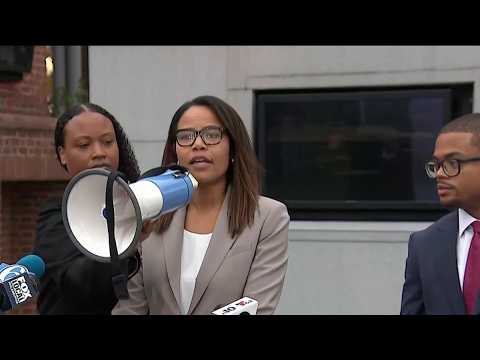
A new lawsuit argues the replacement panels discriminate against Black Americans, a theory the city's earlier case did not test.

Overview

Updated 3 hours ago

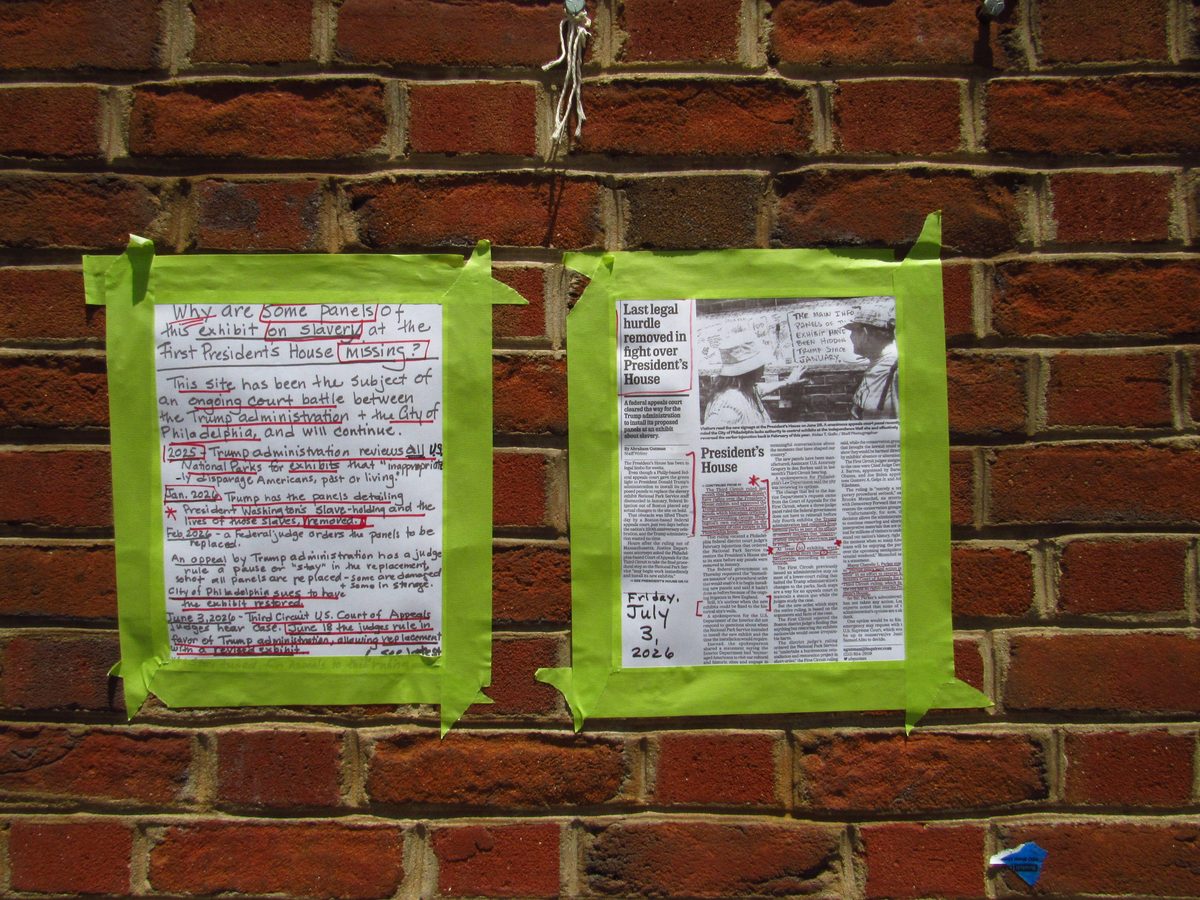
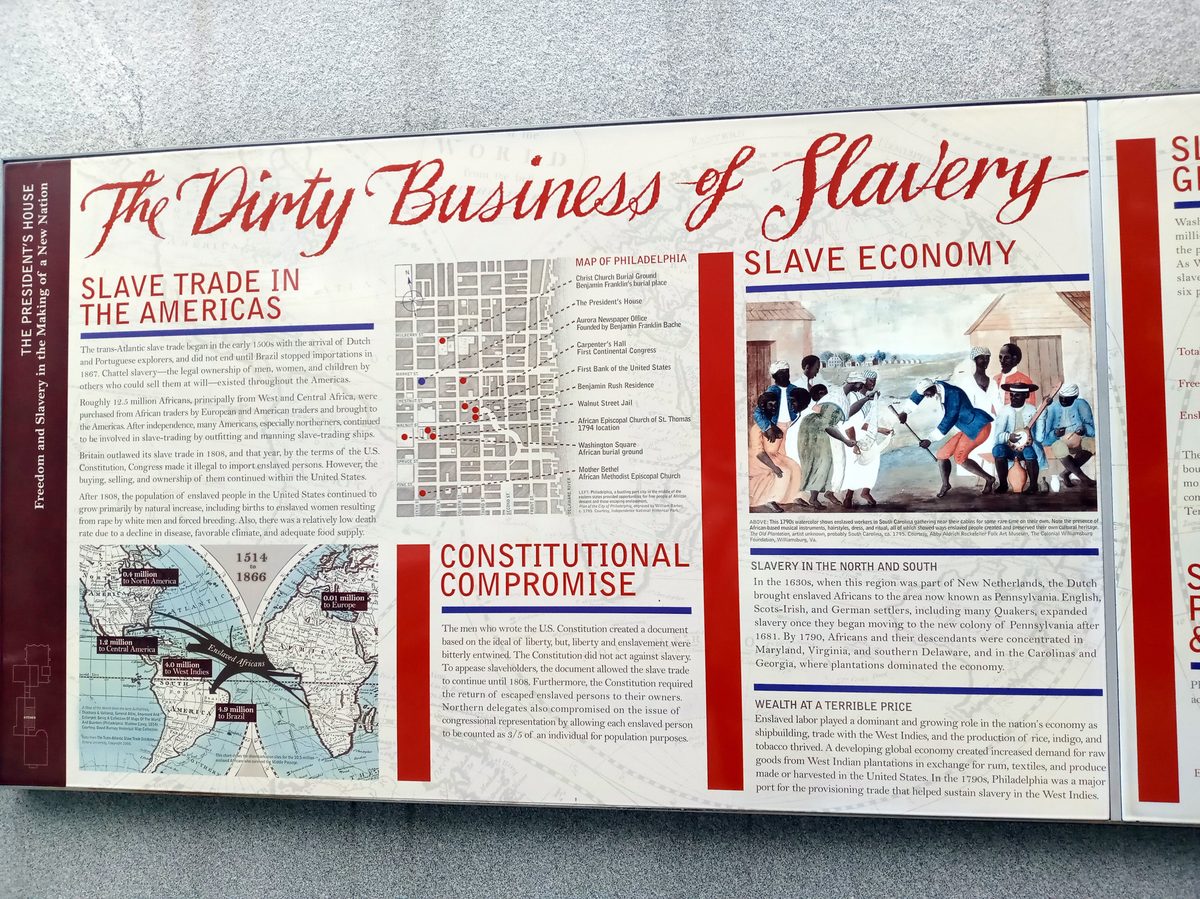
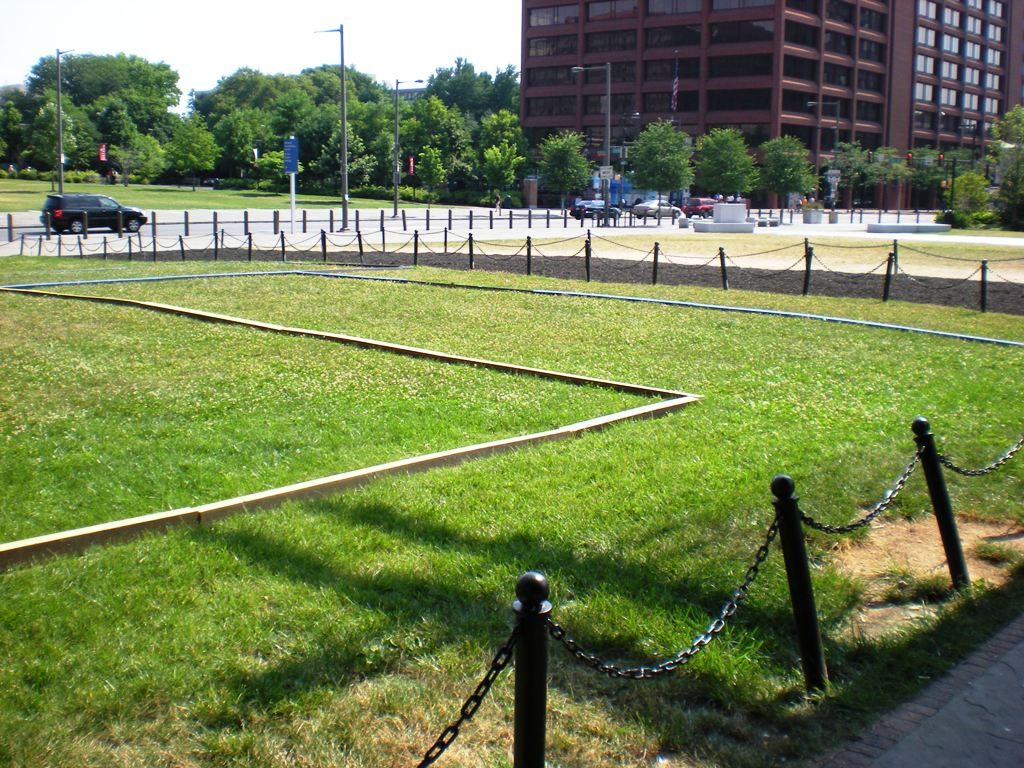
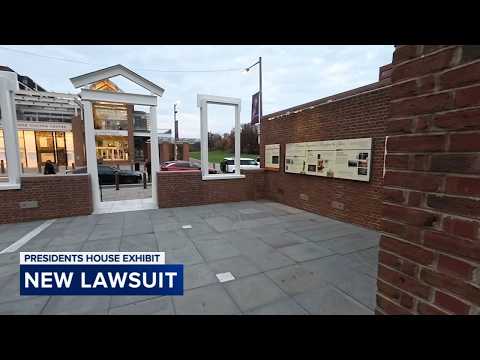
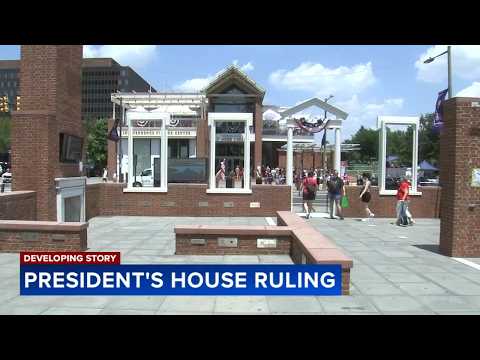
The National Park Service removed the President's House slavery exhibit in January 2026. On Nov. 23, two Philadelphia groups sued to restore it, arguing the replacement panels violate Black Americans' constitutional rights.

The lawsuit tests a different question from the city's earlier challenge. Philadelphia lost that case because the Third Circuit said the city lacked authority over the federally owned site. The new plaintiffs argue the federal government can still be sued for racial discrimination in how it rewrote the exhibit.

Why it matters

If the equal-protection theory succeeds, it could limit how federal agencies rewrite exhibits about race at national parks.

Last Monday's email for Philadelphia, PA

Sent Nov 23. It carried:

Get next Monday's: one short email a week. Free. Unsubscribe in one click.

Questions about this story

Free account needed to ask — your question is kept and asked for you right after sign-up. Answers are public.

No questions yet — be the first to ask.

Key Indicators

77
Pages in the complaint
The lawsuit was filed in the U.S. District Court for the Eastern District of Pennsylvania.
9
Enslaved people whose stories were in the original exhibit
The original panels told the stories of nine people enslaved by George Washington in Philadelphia.
5
Motion-activated videos the suit says were disabled
The complaint says National Park Service employees were directed to turn off five videos about the enslaved people.

Voices

Curated perspectives — historical figures and your fellow readers.

Sign up to generate historical perspectives on this story.

People Involved

Organizations Involved

Timeline

2000 November 2026

8 events Latest: 2 days ago
Tap a bar to jump to that date
  1. Replacement panels installed

    Policy action

    NPS installs replacement panels after judge approves changes.

  2. Panels removed

    Policy action

    NPS removes slavery exhibit panels after Trump executive order.

  3. Exhibit opens

    Opening

    President's House site opens with slavery exhibit.

  4. Coalition forms

    Organizing

    ATAC forms to lobby for slavery history at the site.

  5. Foundation unearthed

    Discovery

    Foundation unearthed as city prepares to relocate Liberty Bell.

Scenarios

1

Judge orders original exhibit restored

Possible Resolves by Q2 2027

Discussed by: The plaintiffs and their lead counsel, Cara McClellan

The plaintiffs argue the replacement panels were part of a racially discriminatory rewrite of the exhibit. If a judge accepts that theory, the court could order the National Park Service to restore the original panels or vacate the replacement ones. The case would then test how far courts will go in reviewing agency decisions about historical content.

2

Court dismisses equal-protection claim

Possible Resolves by Q2 2027

Discussed by: The government's earlier position in the city's case and the Third Circuit's June ruling

The federal government has argued it has authority over the federally owned site. The Third Circuit already found Philadelphia lacked control over exhibit content. If the new court agrees that the plaintiffs cannot show unconstitutional racial discrimination, the replacement panels would stay in place and the lawsuit would end.

3

Settlement adds back some slavery history

Unlikely Resolves by End of 2027

Discussed by: No party has publicly proposed a settlement; this scenario reflects a common middle path in exhibit disputes

A negotiated outcome could restore some content about the nine enslaved people without returning the original panels. The National Park Service could revise the replacement exhibit and add names, stories or videos. That would resolve the practical dispute without a court ruling on the equal-protection claim.

Historical Context

2 moments from history that rhyme with this story — and how they unfolded.

1994-1995

Smithsonian's Enola Gay exhibit (1994-1995)

The National Air and Space Museum planned an exhibit for the 50th anniversary of the atomic bombing of Hiroshima. Veterans groups and members of Congress criticized the script as anti-American, and the museum canceled the original exhibit.

Then

The Smithsonian displayed the Enola Gay fuselage with pared-back text; director Martin Harwit resigned.

Now

The episode became a benchmark for political pressure on federal museum exhibits.

Why this matters now

The President's House dispute is another fight over who controls how federal museums and parks tell contested history.

1991

The West as America exhibition (1991)

The National Museum of American Art opened an exhibition arguing that Western art helped justify conquest. Critics in Congress and the press said the labels were anti-American.

Then

Smithsonian officials revised some wall texts; the exhibit stayed open.

Now

The fight showed that federal exhibit labels can be changed under political pressure.

Why this matters now

It shows the mechanism at issue: agency control over captions and panels can determine how history is presented.

Sources

(4)