
Pull to refresh
Logo
Schuylkill Crossing swing bridge ready to open

Schuylkill Crossing swing bridge ready to open

Built World Philadelphia, PA local

New pedestrian and cyclist link closes a gap in Philadelphia's Schuylkill River Trail.

Overview

Updated 1 hour ago

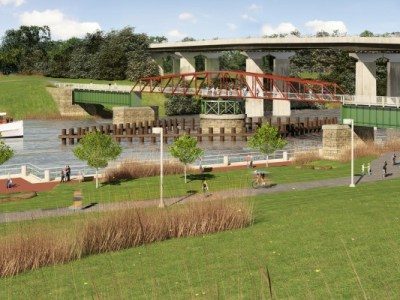
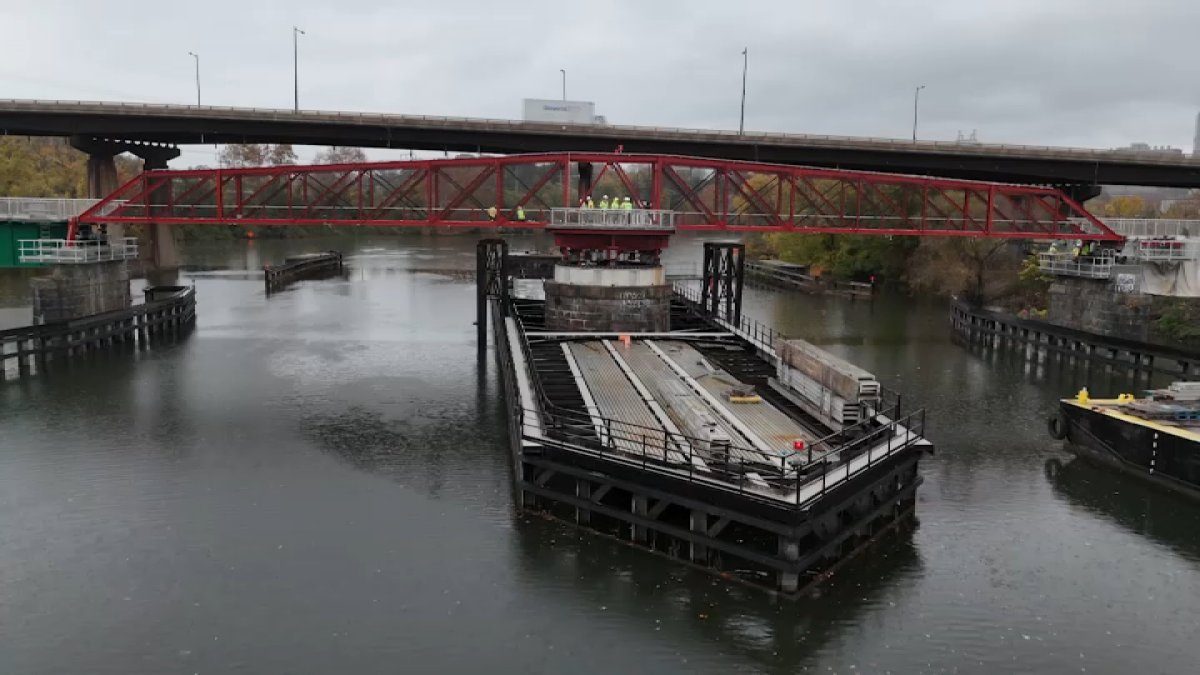
For decades, the old rail swing bridge south of Grays Ferry Avenue sat rusting, a barrier between Southwest Philadelphia and the Schuylkill River Trail. On November 5, 2026, Billy Penn reported that its replacement, the Schuylkill Crossing, is ready to open to pedestrians and cyclists.

The 1,000-foot trail segment is the final off-road link between Bartram's Garden and more than seven trail miles to the north. It gives residents a car-free route to Center City and the Bellwether District, while raising concerns about rising rents in Kingsessing.

Why it matters

The bridge gives Southwest Philadelphia a car-free route to jobs and green space, while putting new pressure on nearby rents.

Last Monday's email for Philadelphia, PA

Sent Nov 2. It carried:

Get next Monday's: one short email a week. Free. Unsubscribe in one click.

Questions about this story

Free account needed to ask — your question is kept and asked for you right after sign-up. Answers are public.

No questions yet — be the first to ask.

Key Indicators

1,000 ft
Trail segment length
The new crossing includes a 1,000-foot trail segment with a center swing truss.
1901
Original bridge built
American Bridge Company built the steel swing bridge.
1976
Bridge taken offline
Conrail acquired the bridge and removed it from rail service.
15 mi
Circuit Trails west of bridge
Existing trail miles west of the Grays Ferry crossing.
25 mi
Circuit Trails east and north
Existing trail miles east and north of the crossing in Philadelphia.
7+ mi
Trail miles north
The crossing links to over seven trail miles north along the Schuylkill River.

Voices

Curated perspectives — historical figures and your fellow readers.

Sign up to generate historical perspectives on this story.

People Involved

Organizations Involved

Timeline

1901 November 2026

9 events Latest: Today
Tap a bar to jump to that date
  1. Bridge ready to open

    Today Opening

    Billy Penn reports Schuylkill Crossing is ready to open.

  2. Truss lighting installed

    Construction

    Truss accent lighting installed.

  3. Ambassador announced

    Outreach

    Bicycle Coalition announces Swing Bridge Ambassador and summer opening.

  4. Last truss section set

    Construction

    Last truss section set; crews continue joining sections.

  5. First truss section set

    Construction

    First section of new truss set into place.

  6. Old bridge dismantled

    Construction

    Old 1901 swing bridge dismantled.

  7. Pedestrian conversion proposed

    Planning

    SRDC's Joe Syrnick proposes converting the rail bridge to a pedestrian crossing.

  8. Bridge taken offline

    Closure

    Conrail acquires the bridge and takes it offline.

  9. Original swing bridge built

    Construction

    American Bridge Company builds steel swing bridge over Schuylkill River.

Scenarios

1

Schuylkill Crossing opens to pedestrians and cyclists by mid-2027

Likely Resolves by Q2 2027

Discussed by: Billy Penn, Schuylkill River Development Corporation

The bridge is structurally complete and reported ready to open. The remaining step is a public opening announcement from the Streets Department. If no mechanical or safety issue emerges, the crossing should open within months.

2

Philadelphia passes affordability protections for Kingsessing near the bridge by end of 2027

Possible Resolves by End of 2027

Discussed by: The Philadelphia Citizen, community advocates

Residents and advocates worry the new trail access will raise rents and property values before long-term residents benefit. A city policy could include zoning changes, affordable housing requirements, or property tax relief. The trigger is City Council action.

Historical Context

3 moments from history that rhyme with this story — and how they unfolded.

June 2009

High Line (2009)

New York City opened the first section of the High Line, a 1.45-mile elevated rail line converted into a park. The project drew millions of visitors and became a model for rail-to-trail conversions.

Then

The park became a tourist attraction and spurred new development along the West Side.

Now

Property values near the High Line rose sharply, and the project became a model for rail-to-trail conversions.

Why this matters now

The Schuylkill Crossing is also a rail-to-trail conversion. The High Line shows both the access gains and the gentrification pressure such projects can create.

October 2009

Walkway Over the Hudson (2009)

The 1888 Poughkeepsie-Highland Railroad Bridge reopened as a 1.28-mile pedestrian park over the Hudson River. It had been closed since a 1974 fire.

Then

The walkway drew visitors and became a state historic park.

Now

It showed that abandoned rail bridges can become regional tourist destinations.

Why this matters now

The Schuylkill Crossing reuses a 1901 rail swing bridge for pedestrians and cyclists, following a similar bridge-to-trail path.

2005

Atlanta BeltLine (2005)

Atlanta began building a 22-mile loop of trails and transit along old rail corridors. The project was approved in 2005.

Then

New trails opened in stages and drew investment to surrounding neighborhoods.

Now

The BeltLine sparked affordable housing debates as property values rose near new trails.

Why this matters now

Philadelphia's bridge project faces the same question: can new trail access benefit existing residents without displacing them?

Sources

(4)