
Pull to refresh
Logo
Gateway begins boring first new Hudson River rail tunnel in over a century

Gateway begins boring first new Hudson River rail tunnel in over a century

Built World

The $16 billion Hudson Tunnel Project launches after a federal funding fight

Yesterday: First TBM begins boring

Overview

Updated 1 hour ago

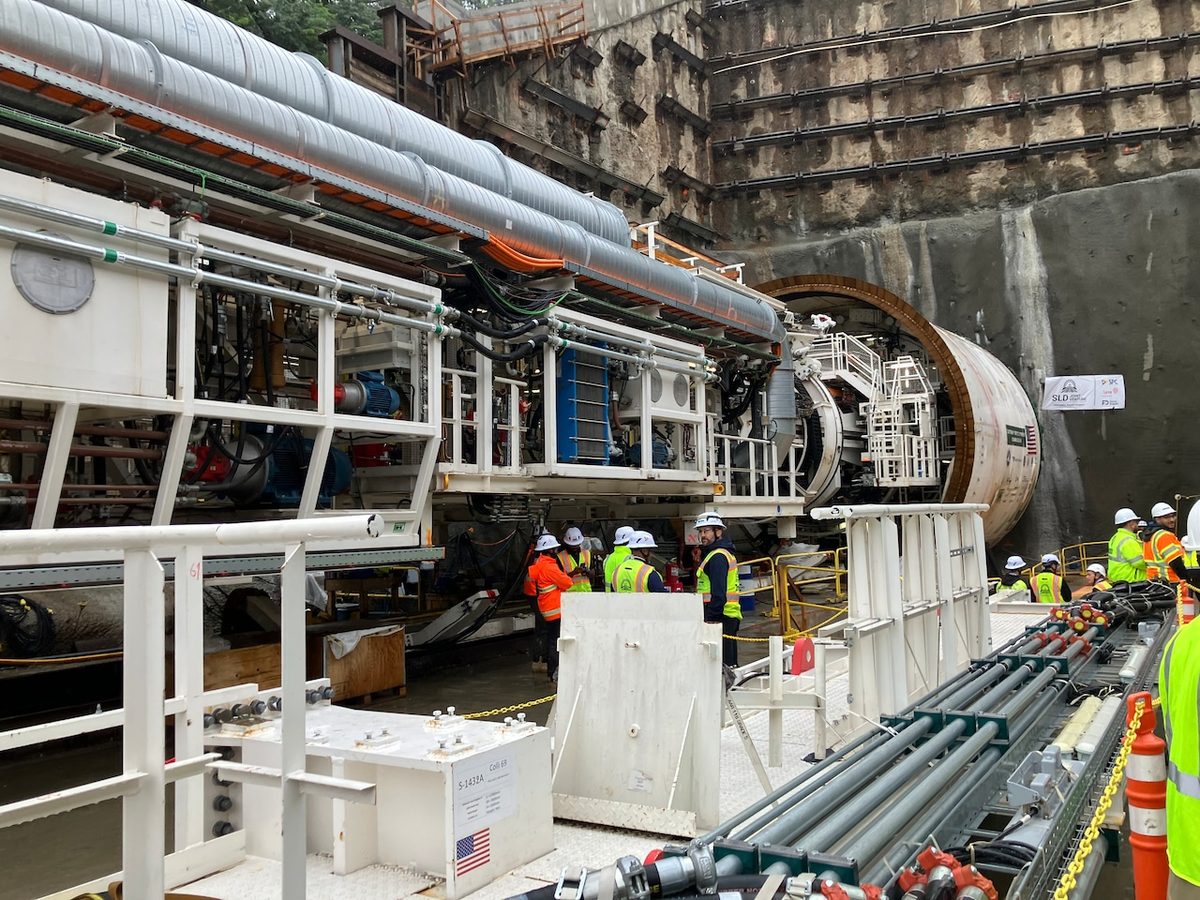
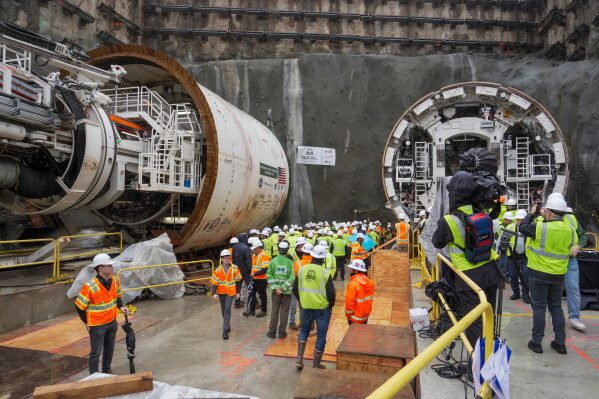
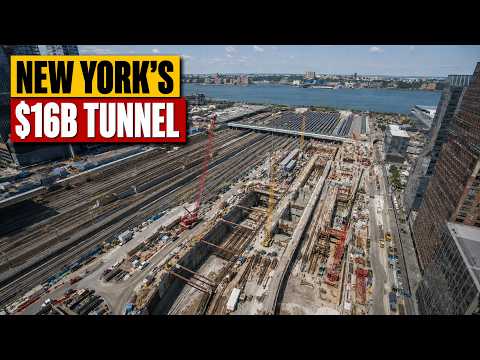
The Gateway Development Commission launched the first tunnel boring machine for a new Hudson River rail tunnel on Sept. 28, the first new rail crossing under the river since the Pennsylvania Railroad finished a pair of tubes in 1910. The machine will bore 5,100 feet of hard rock under the Palisades Cliffs from North Bergen, New Jersey.

The $16 billion Hudson Tunnel Project also includes rehabilitating the existing North River Tunnel, which has carried Amtrak and New Jersey Transit trains for 116 years and took saltwater damage during Hurricane Sandy. Work nearly stopped last year when the Trump administration froze federal funding; a judge ordered the money released in February 2026, and the administration dropped its appeal this month.

Why it matters

Until a new tunnel opens, Amtrak and NJ Transit riders depend on a 116-year-old, storm-damaged tunnel that is the Northeast Corridor's worst bottleneck.

Questions about this story

Free account needed to ask — your question is kept and asked for you right after sign-up. Answers are public.

No questions yet — be the first to ask.

Key Indicators

$16B
Total project cost
New two-tube tunnel plus rehabilitation of the 1910-era North River Tunnel.
2
Tunnel boring machines launching this fall
First pair bores 5,100 feet through Palisades rock; a second pair digs under the river.
200,000+
Daily riders on the existing tunnel
Passenger trips through the storm-damaged North River Tunnel each day.
5,100 ft
First-phase tunnel length
Distance from the North Bergen portal to the Hudson County Access Shaft.

Voices

Curated perspectives — historical figures and your fellow readers.

Ever wondered what historical figures would say about today's headlines?

Sign up to generate historical perspectives on this story.

People Involved

Organizations Involved

Timeline

October 2023 September 2026

7 events Latest: Yesterday
Tap a bar to jump to that date
  1. First TBM begins boring

    Latest Construction

    First tunnel boring machine begins excavating the 5,100-foot stretch beneath the Palisades Cliffs.

  2. Ceremonial TBM launch held

    Milestone

    GDC, Governor Hochul, and others celebrate the start of tunnel boring for the first new Hudson rail tunnel since 1910.

  3. Manhattan Tunnel contract awarded

    Contract

    GDC awards $1.29 billion contract to Traylor Bros., Walsh Construction, and Skanska, moving all packages into active construction.

  4. Construction begins in North Bergen

    Construction

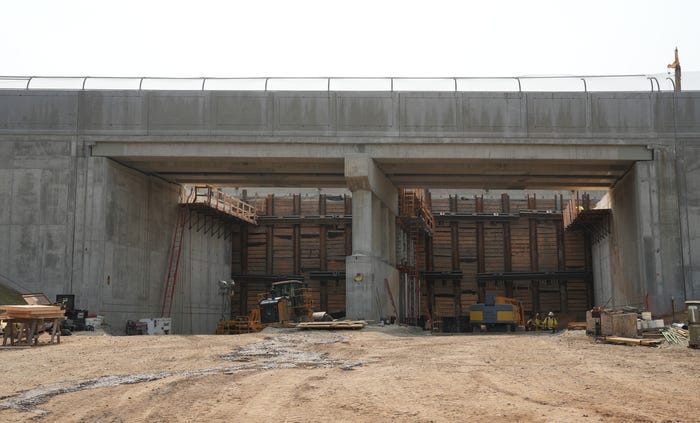
    Contractors start the Tonnelle Avenue bridge and launch box that will anchor the tunnel boring machines.

Scenarios

1

First pair of TBMs arrives at Hudson County Access Shaft

Likely Resolves by End of 2027

Discussed by: GDC, which said machines reach the shaft about a year after launch

The two hard-rock machines advance roughly 30 feet a day toward the Weehawken-Hoboken boundary. If excavation holds to plan, crews extract them at the shaft and lower in the second pair for the river crossing. A major rock fault or TBM breakdown would slip the milestone.

2

Hudson Tunnel opens to revenue service by 2035

Possible Resolves by End of 2035

Discussed by: GDC and Governor Hochul, who targets 2034

With all construction packages now contracted, the schedule hinges on the under-river boring, the Manhattan approach, and rehabilitation of the old tunnel. Hochul set a 2034 goal; the official opening is planned for 2035. Financing disputes, ground conditions, or contractor delays could push that back.

3

Federal funding freeze returns and halts tunnel boring

Possible Resolves by Q2 2028

Discussed by: AmNewYork and Engineering News-Record, citing repeated administration attempts to claw back funds

The Trump administration froze funds in September 2025 and appealed a court order to release them before dropping the case in September 2026. A renewed freeze would stop the machines mid-bore and again threaten the schedule, as it did in February 2026.

Historical Context

3 moments from history that rhyme with this story — and how they unfolded.

1904-1910

Pennsylvania Railroad's original Hudson tunnels (1904-1910)

The Pennsylvania Railroad spent six years digging twin rail tunnels under the Hudson, opening them in 1910 as part of its New York Improvements Project that included Penn Station. They have run continuously since, carrying millions of passengers per year.

Then

The tunnels made direct rail service into Manhattan possible and anchored the Northeast Corridor.

Now

Still in service 116 years later, they are the only rail crossing under the river and a leading cause of regional train delays.

Why this matters now

The new project is the first to add capacity since 1910, and it is required before the old tunnels can be closed for repairs.

2006-2023

East Side Access (2006-2023)

New York's Metropolitan Transportation Authority spent roughly $11 billion over 17 years to tunnel Long Island Rail Road trains into Grand Central Terminal. The project missed its original budget and schedule by wide margins.

Then

Opened in January 2023, years late and billions over budget.

Now

Serves as the regional cautionary tale for mega-project cost and schedule risk on the same rail system.

Why this matters now

The Hudson Tunnel Project faces similar cost and schedule exposure and is often judged against East Side Access's overruns.

October 2012

Hurricane Sandy floods the North River Tunnel (2012)

Storm surge poured saltwater into the North River Tunnel, corroding electrical and signaling systems. Amtrak later estimated hundreds of millions in damage while the tunnel kept running.

Then

The tunnel remained in service but with weakened systems and added vulnerability.

Now

The damage is the central justification for the new tunnel, since the old one cannot be closed for repairs until new capacity exists.

Why this matters now

The need to rehabilitate the Sandy-damaged tunnel is what makes the new boring urgent.

Sources

(10)