



Pull to refresh
Logo
Judge blocks East Potomac Park closure hours before golf course shutdown

Judge blocks East Potomac Park closure hours before golf course shutdown

Rule Changes

A two-week restraining order keeps the D.C. park open through November 28 while the Interior Department appeals

Overview

Updated 51 minutes ago

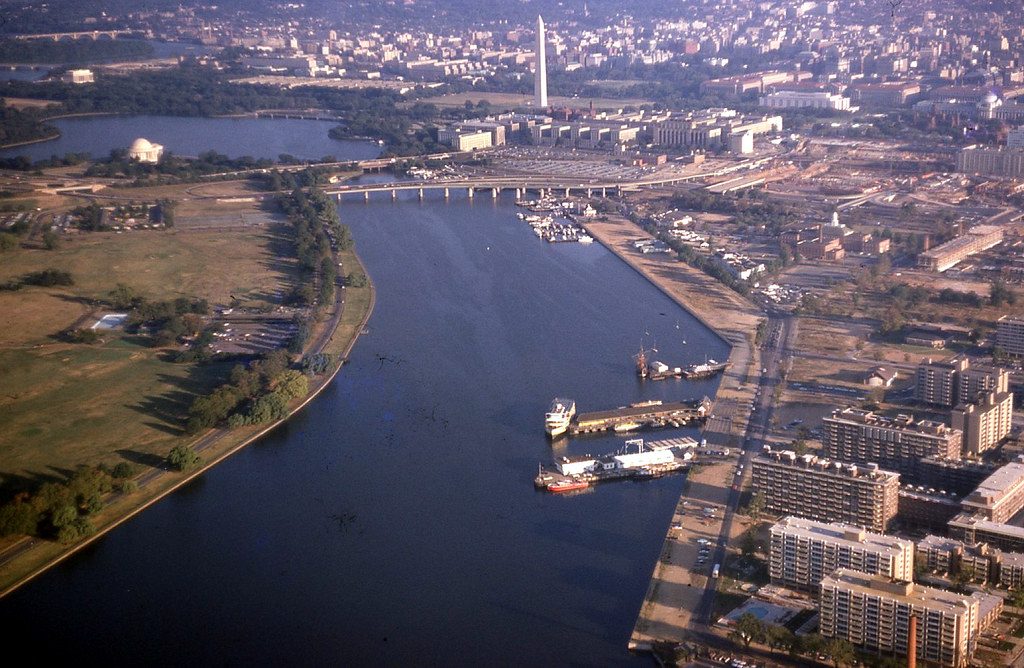
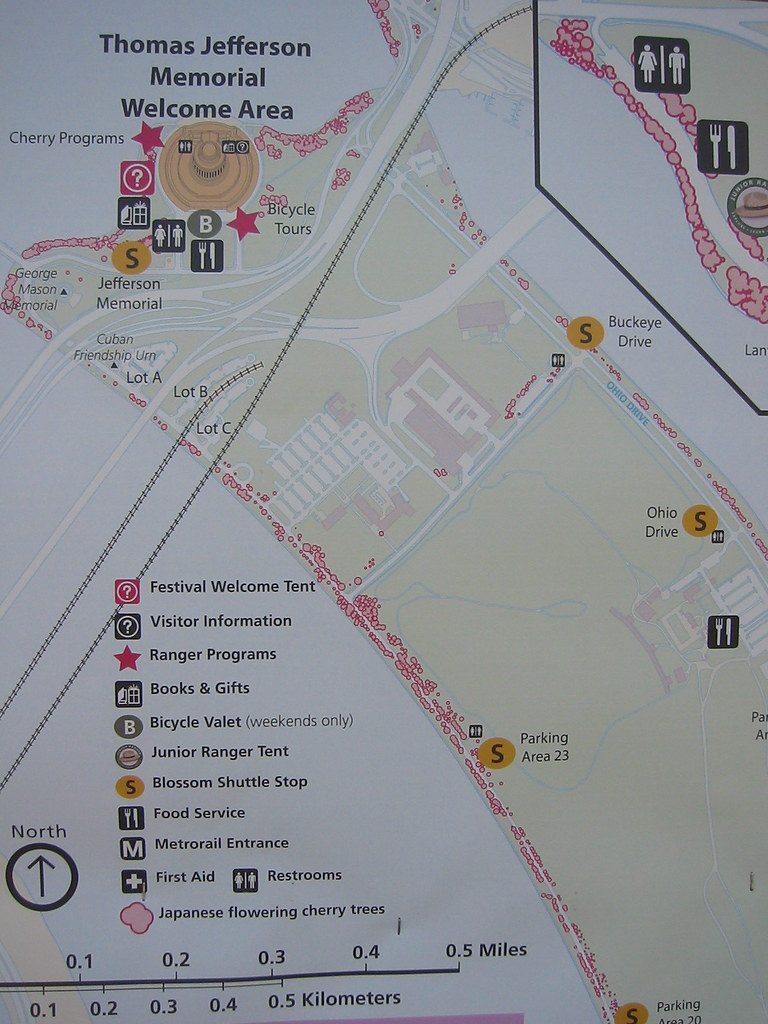
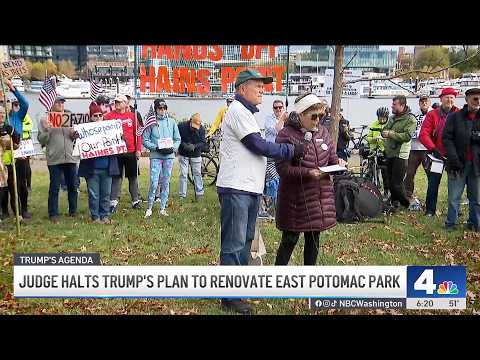
East Potomac Park was scheduled to close on November 15 for 15 months of construction on a redesigned golf complex. A federal judge blocked the closure hours before the deadline, ruling the government had likely violated environmental and administrative law to meet a date the president set.

The order lasts through November 28. It does not require the government to operate golf at the park. It does bar the Interior Department from citing the absence of a golf operator as a reason to keep the public out, which is the argument the National Park Service had used to justify closing the entire site.

Why it matters

The case tests whether a presidential directive to rebuild federal parkland can proceed while the government skips required environmental review.

Questions about this story

Free account needed to ask — your question is kept and asked for you right after sign-up. Answers are public.

No questions yet — be the first to ask.

Key Indicators

15 months
Planned closure length
The Park Service intended to shut the park for construction starting November 15.
14 days
Length of the restraining order
The order runs from November 14 through November 28, 2026, unless the court extends it.
4
Golf courses in the park
Three golf courses plus a miniature golf course sit inside the closure zone.
30,000+
Runners in a marathon around the seawall
The Park Service permitted the race three days before calling that same seawall too dangerous for public access.

Voices

Curated perspectives — historical figures and your fellow readers.

Sign up to generate historical perspectives on this story.

People Involved

Organizations Involved

Timeline

October 2026 November 2026

4 events Latest: Yesterday
Tap a bar to jump to that date
  1. Trump directs closure of East Potomac Park

    Directive

    The president orders the government to close the park on November 15 so work can begin on a new Fazio Design course.

Scenarios

1

Appeals Court Stays the Order and the Park Closes

Possible Resolves by Dec 15, 2026

Discussed by: The Trump administration, which said it would seek expedited review; the restraining order itself notes the government may seek relief from the order.

Interior asks the D.C. Circuit to pause the restraining order before November 28. If a panel grants the stay, the Park Service can close the park and start construction while the underlying case continues. The court's finding of pretext does not by itself prevent a stay if the appeals court weighs the government's interests differently.

2

Judge Extends the Open-Park Order Past November 28

Likely Resolves by Nov 28, 2026

Discussed by: Plaintiffs, who have argued the closure would cause irreparable harm to park users.

Before the two weeks run out, the court converts the restraining order into a longer preliminary injunction or extends it. That keeps the park open into 2027 while the environmental claims are litigated on the merits, and it preserves the status quo the judge described as the park open to the public.

3

Interior Restarts Closure Through Formal Rulemaking

Uncertain Resolves by Q2 2027

Discussed by: The court, which found the Park Service skipped notice-and-comment rulemaking required for closing a national park.

Rather than fight the procedural ruling, the Park Service publishes a proposed closure rule, takes public comment, and issues a final rule. That would take months and give opponents a formal record to challenge, but it would fix the defect the judge identified.

Historical Context

2 moments from history that rhyme with this story — and how they unfolded.

December 2017

Bears Ears and Grand Staircase-Escalante reductions (2017)

President Trump shrank two national monuments in Utah by roughly two million acres combined, acting through proclamations rather than legislation. Conservation groups and tribes sued, arguing the Antiquities Act did not authorize reductions of that scale.

Then

A federal judge in Washington vacated the reductions in 2021, ruling the proclamations exceeded presidential authority.

Now

The case established that a president's power over federal land is reviewable in court and bounded by statute, though later administrations have continued to test those limits.

Why this matters now

Both cases involve a president ordering a change to protected federal land and courts testing whether the paperwork and legal authority support it.

February 1975

Train v. City of New York (1975)

President Nixon refused to spend billions Congress had appropriated for water pollution control, a practice known as impoundment. New York City and other plaintiffs sued to force the money out the door.

Then

The Supreme Court ruled unanimously that the president could not withhold the funds.

Now

The decision became a foundational limit on presidential control over how agencies carry out appropriated programs, and it is cited whenever an administration redirects agency action by directive.

Why this matters now

The East Potomac ruling rests on the same idea: a presidential directive does not excuse an agency from following the statutes that govern how it acts.

Sources

(9)