

Pull to refresh
Logo
Sánchez calls snap election in Spain after parliament rejects housing measures

Sánchez calls snap election in Spain after parliament rejects housing measures

Rule Changes

Vote set for November 29 as protests over rents and evictions shake the minority government

Yesterday: Dissolution decree published; housing decrees reintroduced

Overview

Updated 2 hours ago

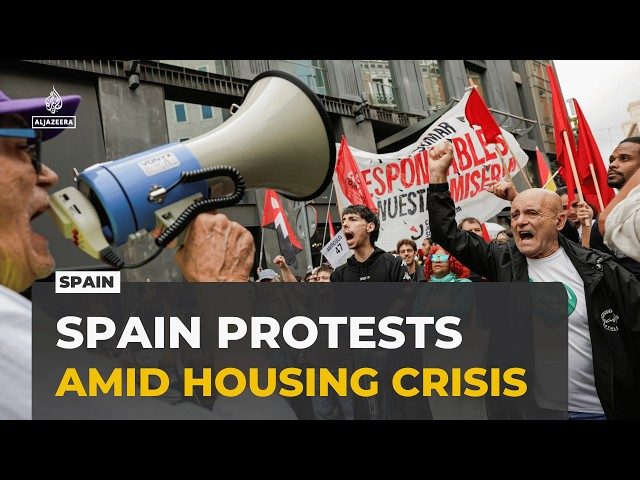
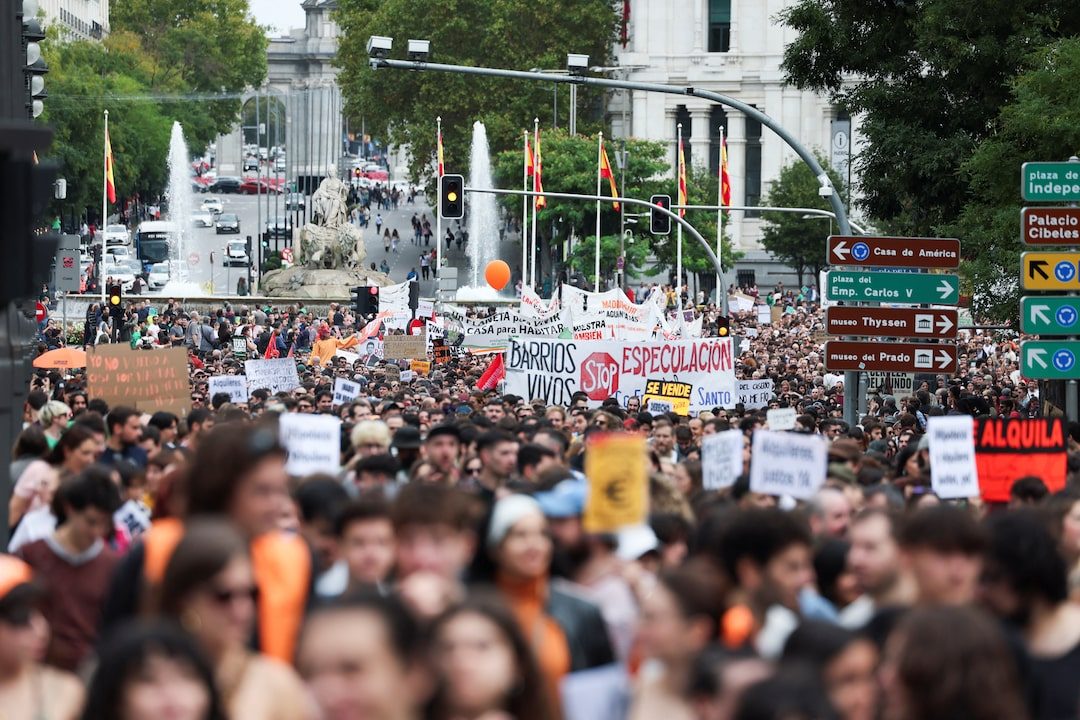
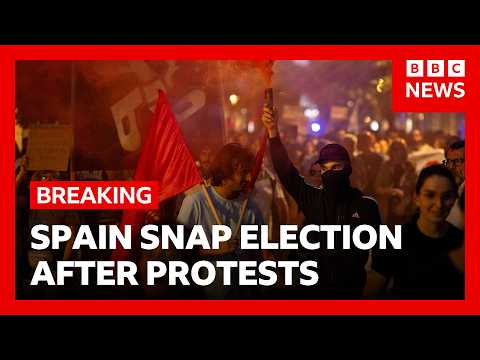
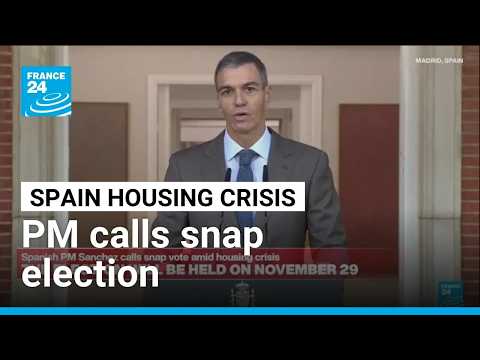
Spain votes on November 29, months ahead of schedule. Pedro Sánchez called a snap general election Monday, a day after parliament rejected the emergency housing decrees his minority government had rushed out in response to nationwide protests.

The prime minister is gambling that fury over rents and evictions — sharpened by the September removal of an 87-year-old from a Madrid flat she had rented since 1956 — drives voters to the left. Polls point the other way: the conservative People's Party leads with 34 percent, and with far-right Vox it is projected to win a parliamentary majority.

Why it matters

November 29 decides whether Spain extends tenant protections and eviction limits or replaces Sánchez with a PP-Vox government.

Questions about this story

Free account needed to ask — your question is kept and asked for you right after sign-up. Answers are public.

No questions yet — be the first to ask.

Key Indicators

34%
People's Party voting intention
Lead in POLITICO's poll of polls, against 26% for the Socialists.
26%
PSOE voting intention
Sánchez's own party trails the PP headed into the November vote.
18%
Vox voting intention
With PP's 34%, the two right-wing parties project a parliamentary majority.
69
Seats on the Permanent Deputation
This standing body now validates the housing decrees, since the Cortes are dissolved.

Voices

Curated perspectives — historical figures and your fellow readers.

Ever wondered what historical figures would say about today's headlines?

Sign up to generate historical perspectives on this story.

People Involved

Organizations Involved

Timeline

September 2026 December 2026

7 events Latest: Yesterday
Tap a bar to jump to that date
  1. New Cortes convene

    Upcoming Political

    Newly elected deputies and senators hold constitutive sessions, opening the process of forming a government.

  2. Election day

    Upcoming Election

    Spaniards vote in the snap general election for a new 350-seat Congress.

  3. Official campaign begins

    Upcoming Political

    The 15-day campaign opens at midnight and runs until November 27.

  4. Dissolution decree published; housing decrees reintroduced

    Latest Political

    Royal Decree 806/2026 formalizes the election call in the official gazette, and the cabinet re-approves the housing measures with technical modifications for the Permanent Deputation to validate.

  5. Sánchez calls snap election for November 29

    Political

    The prime minister announces the dissolution of the Cortes and a general election, bringing forward a vote originally due next summer.

  6. Congress rejects emergency housing decrees

    Political

    PP, Vox and Junts vote down two emergency decrees that would have suspended evictions of vulnerable tenants and regulated rents.

  7. Abascal eviction ignites housing protests

    Protest

    Maricarmen Abascal, 87, is evicted from a Madrid apartment she had rented since 1956 after a sharp rent rise; protests spread nationwide.

Scenarios

1

PP and Vox form a right-wing government

Likely Resolves by Feb 15, 2027

Discussed by: POLITICO's poll of polls and most Spanish surveys

Recent polls put the PP at 34 percent with Vox at 18, a combination projected to clear a majority in the 350-seat chamber. The two parties already govern together in four regions. If that holds on November 29, Feijóo would likely become prime minister with Vox backing, and the housing decrees Sánchez pushed — eviction suspensions, rent extensions, tourist-apartment taxes — would probably be shelved or rewritten.

2

Sánchez's gamble pays off and a leftist coalition survives

Unlikely Resolves by Feb 15, 2027

Discussed by: The Guardian and commentators citing housing anger as a swing factor

If voters channel fury over rents into support for the left, PSOE could close the polling gap and, with Sumar and regional partners, hold onto government. Sánchez framed the campaign as a choice between progressive reform and a 'far-right wave.' The risk is that right-wing consolidation and a comfortable PP-Vox majority materialize instead.

3

Housing decrees survive via the Permanent Deputation

Possible Resolves by Dec 23, 2026

Discussed by: elconstitucional.es and Spanish government sources

Because the Cortes are dissolved, validation of the re-approved royal decree-laws shifts from the full chamber — where Junts helped sink them — to the 69-member Permanent Deputation, where PSOE holds 24 seats. The government reintroduced the decrees with technical modifications on Tuesday, hoping to clear them there before the new parliament convenes in December.

Historical Context

3 moments from history that rhyme with this story — and how they unfolded.

April 2019

Spain's 2019 snap election gamble

Sánchez called an early election after Catalan parties rejected his budget. PSOE won the most seats but fell short of a majority, and months of failed talks forced a repeat election in November 2019, which eventually produced Spain's first coalition government.

Then

PSOE finished first but could not form a government, dragging the process into autumn.

Now

The November rerun led to a PSOE-Unidas Podemos coalition, Sánchez's first full-term government.

Why this matters now

Sánchez has used snap polls before to break parliamentary deadlock — and the result was anything but a clean majority.

June 2017

Theresa May's 2017 UK snap election

May called an early election three years ahead of schedule to strengthen her Conservative majority before Brexit talks. She lost her parliamentary majority instead and had to rely on a confidence-and-supply deal with the DUP.

Then

Conservatives lost their majority; May clung to power with backbench support.

Now

Her weakened position forced concessions in the Brexit process and ended her premiership two years later.

Why this matters now

The standard warning that snap elections called to consolidate power can backfire badly.

September 2005

Schröder's 2005 German snap election

Gerhard Schröder engineered a lost confidence vote to force early elections a year early, after painful labor reforms split his coalition and cost his party regional votes.

Then

Schröder lost narrowly to Angela Merkel, who became chancellor.

Now

Merkel's 16-year chancellorship began with the election Schröder had called to save his own government.

Why this matters now

An early election intended to rescue a government instead handed power to the opposition.

Sources

(10)