
Pull to refresh
Logo
Rocket Lab's Electron reaches 100 launches

Rocket Lab's Electron reaches 100 launches

New Capabilities

The small rocket hit the milestone in under a decade, with 11 straight successes for Japanese radar operator iQPS

Overview

Updated 45 minutes ago

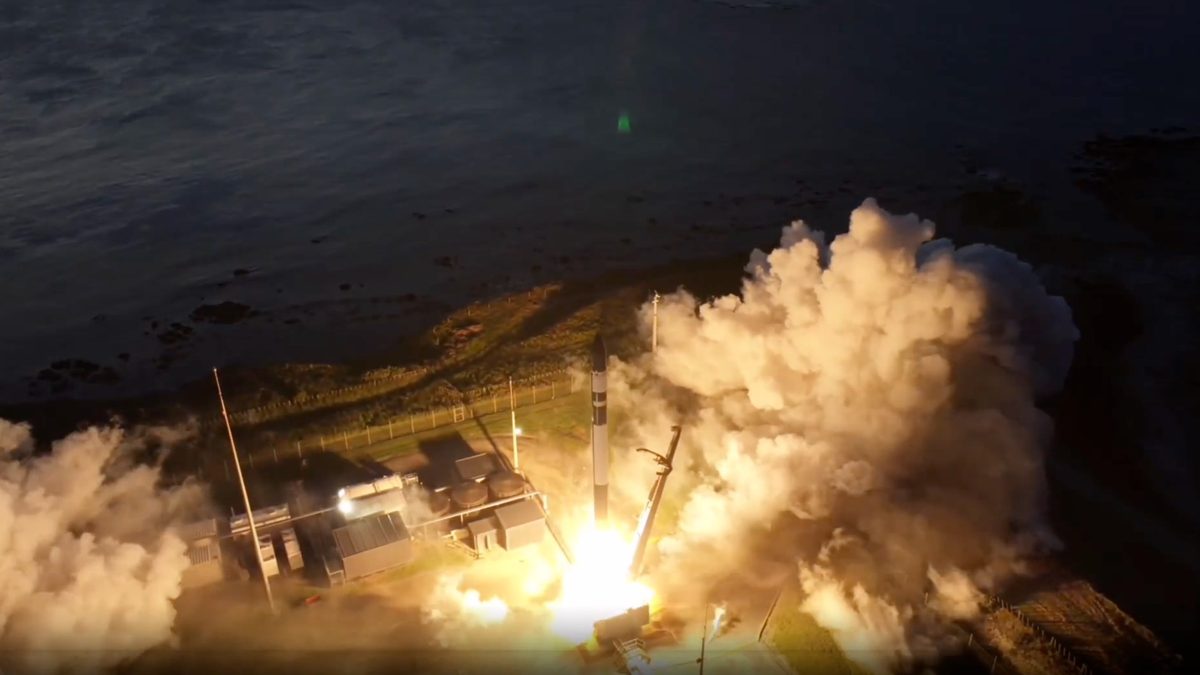
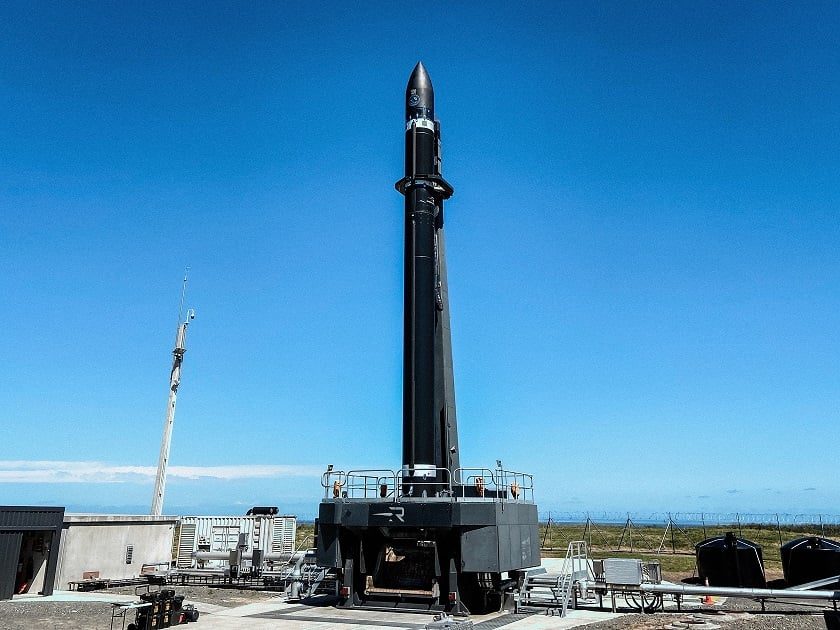
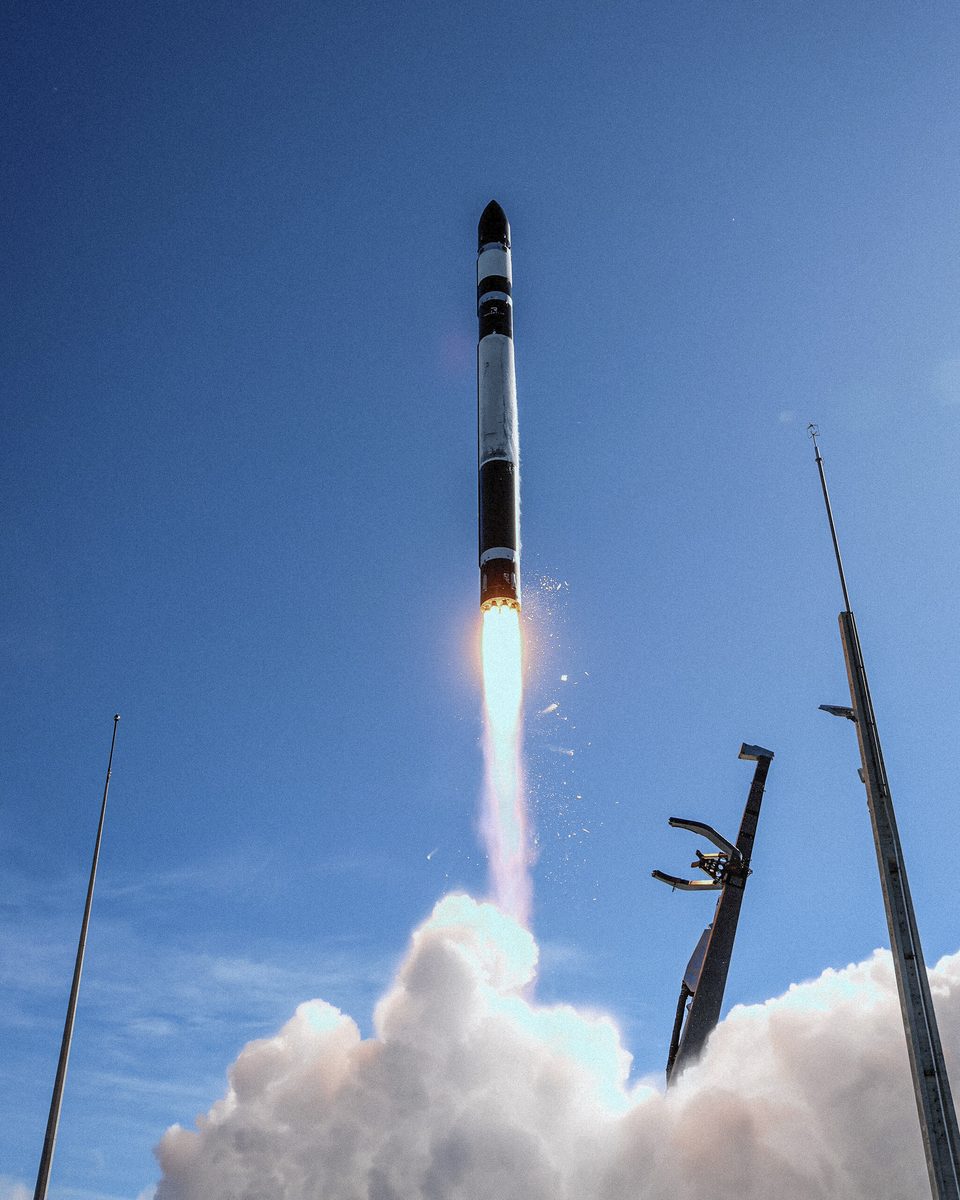
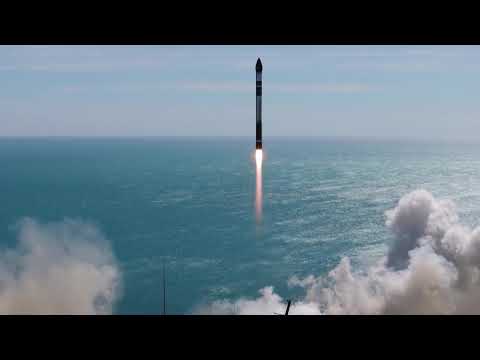
Rocket Lab's Electron lifted off from Launch Complex 1 on New Zealand's Mahia Peninsula at 6:30 p.m. local time on November 14, 2026, carrying a Japanese radar satellite called YAMATSUMI-II. It was the rocket's 100th flight. The company says no other commercially developed rocket has reached that number faster.

The payload belongs to iQPS, a Fukuoka-based operator building a constellation of synthetic aperture radar satellites that image Earth through cloud cover and at night. Electron has now flown 11 times for iQPS since 2023 without a failure, and seven more dedicated launches are booked through 2030.

Why it matters

Electron proved small satellites could get dedicated rides on schedule. Its next test is whether that business survives cheap rideshare pricing.

Questions about this story

Free account needed to ask — your question is kept and asked for you right after sign-up. Answers are public.

No questions yet — be the first to ask.

Key Indicators

100
Electron launches
Reached on November 14, 2026, with the YAMATSUMI-II mission.
96%
Reliability across first 99 launches
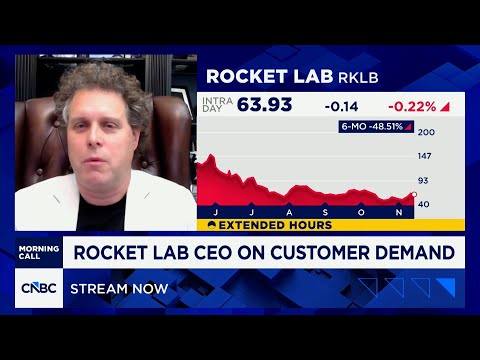
Figure cited by founder Peter Beck on the company's November 9 earnings call.
11
Electron launches for iQPS
All successful since the first iQPS mission in 2023.
7
Additional iQPS launches booked
Dedicated Electron flights scheduled through 2030.
575 km
Deployment orbit altitude
Low Earth orbit at 42 degrees inclination.
8 days
Electron production rate
Rocket Lab said the day before launch it builds one Electron every eight days.

Voices

Curated perspectives — historical figures and your fellow readers.

Sign up to generate historical perspectives on this story.

People Involved

Organizations Involved

Timeline

May 2017 November 2026

6 events Latest: Today
Tap a bar to jump to that date
  1. Electron flies for the 100th time

    Today Launch

    The Mountain God Rises deploys YAMATSUMI-II to a 575-kilometer orbit; iQPS confirms contact eight minutes later.

  2. Beck cites 96% reliability

    Statement

    On the quarterly earnings call, the chief executive previews the milestone.

  3. Electron completes 99th launch

    Launch

    A successful mission sets up the iQPS flight as the 100th.

  4. First iQPS mission flies

    Launch

    Rocket Lab begins a dedicated launch series for the Japanese radar operator.

  5. Electron reaches orbit

    Launch

    The second flight delivers cubesats to low Earth orbit.

  6. Electron's first flight fails

    Launch

    The debut test flight from New Zealand does not reach orbit.

Scenarios

1

Electron flies its 200th mission before the end of 2030

Likely Resolves by End of 2030

Discussed by: Rocket Lab's own manifest statements and trade press covering the milestone

Rocket Lab says the next 100 Electron missions are already booked, and it is producing one rocket every eight days. If that manifest holds and cadence stays near recent levels, the second hundred flights arrive faster than the first. A launch failure or a customer pulling a contract would slow it.

2

iQPS reaches 24 satellites in orbit by May 2028

Possible Resolves by May 31, 2028

Discussed by: iQPS constellation planning reported by The Space Tap

iQPS has said it aims for 24 satellites in orbit by May 2028, with seven more dedicated Electron launches booked through 2030. Hitting the target depends on Rocket Lab's schedule and on iQPS building and testing satellites fast enough to fill the rides.

3

Neutron reaches orbit while Electron is still the company's only flying rocket

Uncertain Resolves by Q2 2028

Discussed by: Space industry press tracking Rocket Lab's medium-lift program

Rocket Lab describes Electron as laying the operational foundation for Neutron, its larger rocket. Neutron's first flight has been the company's central open question for years. If Neutron slips again, Electron keeps carrying the entire manifest and the revenue that comes with it.

Historical Context

3 moments from history that rhyme with this story — and how they unfolded.

March 2006 – September 2008

SpaceX Falcon 1 (2006–2008)

SpaceX spent its early years trying to put a small liquid-fueled rocket into orbit on a startup budget. The first three launches failed. The fourth, in September 2008, succeeded and made Falcon 1 the first privately developed liquid-fuel rocket to reach orbit.

Then

SpaceX had a working orbital rocket and a NASA contract to keep going.

Now

The company abandoned Falcon 1 for the much larger Falcon 9, which became the dominant launch vehicle in the world.

Why this matters now

Falcon 1 showed that a small rocket can be a stepping stone rather than a destination. Rocket Lab is making the same bet with Electron and Neutron.

April 1990

Pegasus (1990)

Orbital Sciences launched Pegasus from under a B-52 bomber, making it the first privately developed rocket to reach orbit. It proved a commercial company could build and fly an orbital launcher without a government program.

Then

Pegasus won small-satellite customers and a niche in the market.

Now

The market stayed small for decades, and Pegasus flew infrequently as demand for dedicated small launch did not materialize at scale.

Why this matters now

Pegasus is the cautionary version of Electron's story: a technically successful small rocket whose business stayed niche. Electron's 100 launches are the first time a small launcher has sustained real cadence.

January 2021 onward

SpaceX rideshare Transporter missions (2021–)

SpaceX began bundling dozens of small satellites onto single Falcon 9 flights, with Transporter-1 carrying 143 spacecraft in January 2021. The price per small satellite fell sharply compared with a dedicated rocket.

Then

Small-satellite operators gained a cheap option, and several dedicated small-launch startups struggled to find customers.

Now

Dedicated launch survived where schedule and orbit precision mattered more than price, which is the segment Rocket Lab targets.

Why this matters now

Electron's 100 launches happened despite rideshare competition. The iQPS contract, with 11 dedicated flights, shows why constellation operators still pay for their own rocket.

Sources

(6)