



Pull to refresh
Logo
Daily Brief
Following
Why Ranks Sign Up
Rocket Lab agrees to acquire satellite operator Iridium

Rocket Lab agrees to acquire satellite operator Iridium

Money Moves

An $8 billion cash-and-stock deal would let one company build, launch, and run its own satellite network in a direct challenge to SpaceX's Starlink

Today: Rocket Lab agrees to buy Iridium

Overview

Iridium nearly vanished. In 2000, investors bought its satellite network out of bankruptcy for about $25 million. On June 29, 2026, Rocket Lab agreed to buy the same company for roughly $8 billion.

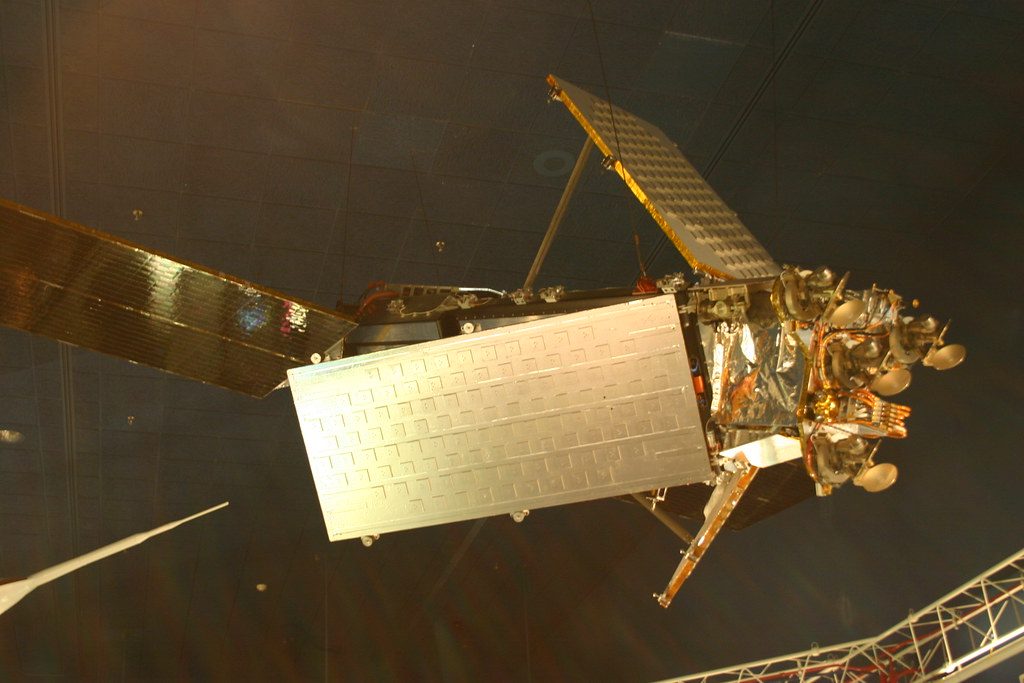
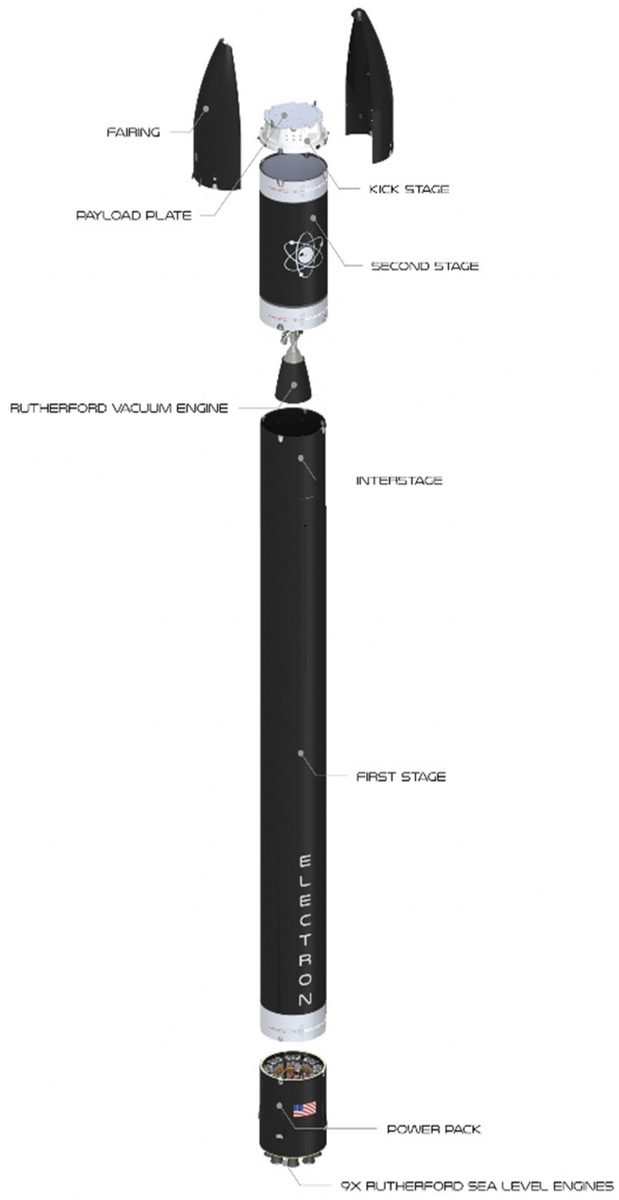
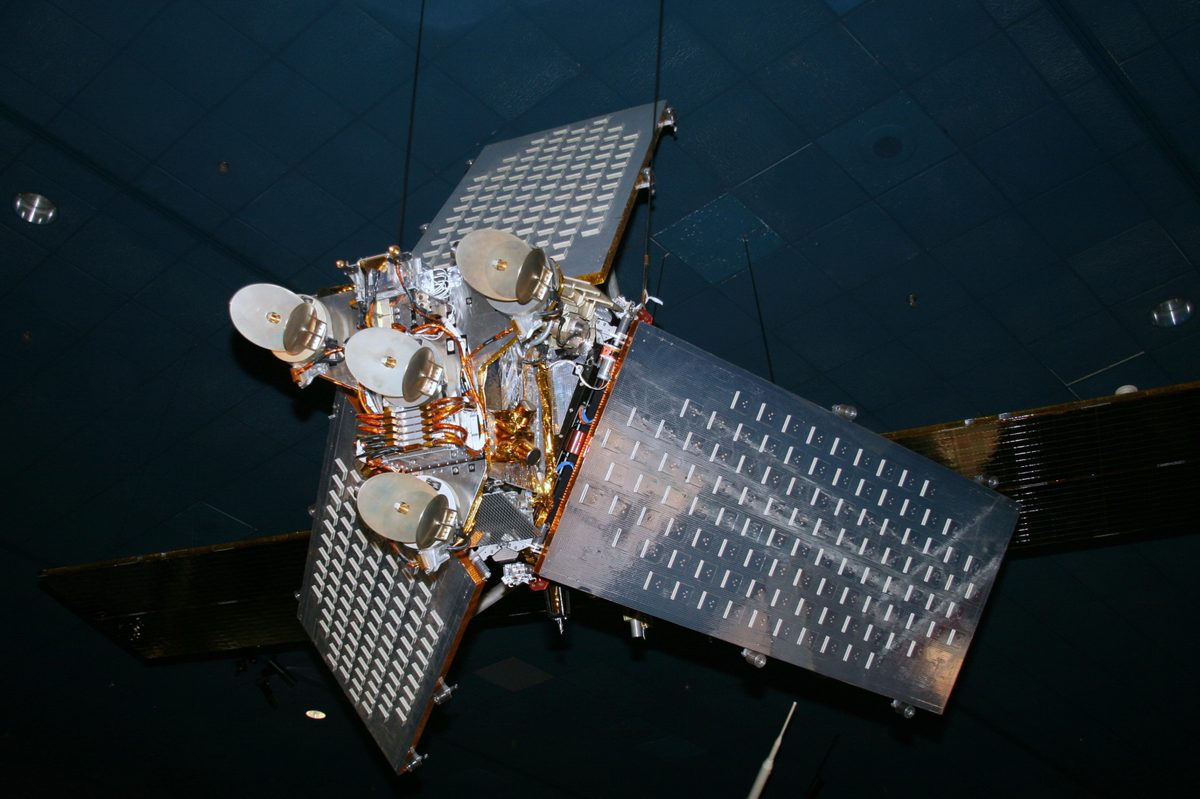
The combined firm would design, build, launch, and operate its own satellites. That full-stack model is what made SpaceX's Starlink dominant. Rocket Lab is now betting it can copy the formula, and it would inherit Iridium's 66-satellite network, its global radio spectrum, and 2.55 million subscribers to do it.

Why it matters

If the deal closes, one more company can build and fly entire satellite networks itself, giving SpaceX its first vertically integrated rival.

Questions about this story

No questions yet — be the first to ask.

Key Indicators

$8B
Enterprise value
Total value of the deal, including Iridium's debt.
$54
Price per Iridium share
Split roughly half cash, half Rocket Lab stock.
24%
Premium over prior price
How much above Iridium's last trading price the offer sits.
66
Iridium satellites
Active low-Earth-orbit satellites covering the whole planet.
2.55M
Iridium subscribers
Government, defense, aviation, maritime, and commercial users.

Voices

Curated perspectives — historical figures and your fellow readers.

Ever wondered what historical figures would say about today's headlines?

Sign up to generate historical perspectives on this story.

Play

Exploring all sides of a story is often best achieved with Play.

Log in to play. Track your picks, climb the leaderboards. Log in Sign Up
Predict 4 ways this could play out. Contrarian picks score more — points lock when the scenario resolves. Log in to play
Higher or Lower Two numbers from this story. Guess which is bigger. 5 rounds to set a streak. Log in to play
Connections Sixteen names from the news. Find the four hidden groups of four. Log in to play

People Involved

Organizations Involved

Timeline

November 1998 June 2026

7 events Latest: Today
Tap a bar to jump to that date
  1. Rocket Lab agrees to buy Iridium

    Today Deal

    Both boards unanimously approve an $8 billion cash-and-stock deal at $54 per share, a 24% premium. The deal is expected to close in mid-2027.

  2. Beck cuts his salary to $1

    Statement

    Rocket Lab's founder amends his contract, reducing pay to $1 and waiving future bonuses.

  3. Iridium completes new constellation

    Milestone

    Iridium finishes deploying its second-generation 66-satellite network, launched on SpaceX Falcon 9 rockets.

  4. Rocket Lab founded

    Origin

    Peter Beck starts Rocket Lab in New Zealand, aiming to make small-rocket launches frequent and cheap.

  5. Network bought out of bankruptcy

    Rescue

    Private investors acquire the satellite network for about $25 million and restart operations.

  6. Iridium files for bankruptcy

    Collapse

    Demand for expensive satellite phones falls far short of forecasts. The company collapses under heavy debt.

  7. Iridium starts commercial service

    Origin

    Motorola's satellite-phone network goes live, promising calls from anywhere on Earth.

Historical Context

3 moments from history that rhyme with this story — and how they unfolded.

August 1999 - December 2000

Iridium's bankruptcy and rescue (1999-2000)

Motorola built the original Iridium network for billions of dollars, betting that travelers would pay for satellite phones. Demand never came, and Iridium filed for bankruptcy in 1999. The satellites nearly fell from orbit before private investors bought the whole system in 2000 for about $25 million.

Then

The rescued company refocused on government, maritime, and remote-industry customers instead of consumers.

Now

Iridium recovered, deployed a new constellation, and grew to millions of subscribers worth roughly $8 billion to Rocket Lab.

Why this matters now

The same network once sold for $25 million is now being bought for around $8 billion. The gap shows how much the value of satellite connectivity and spectrum has changed.

September 2017 - June 2018

Northrop Grumman buys Orbital ATK (2017-2018)

Defense contractor Northrop Grumman agreed to buy Orbital ATK, a maker of rockets and satellites, for about $9 billion. The Federal Trade Commission worried Northrop could withhold rocket motors from rivals once it owned both the parts and the missiles that used them.

Then

Regulators cleared the deal in 2018, but only after Northrop agreed to supply rocket motors to competitors on fair terms.

Now

The case set a template for reviewing vertical mergers in aerospace, where one firm controls multiple layers of the supply chain.

Why this matters now

Rocket Lab buying Iridium is also a vertical deal, joining launch, manufacturing, and network operations. Regulators may again ask whether one owner of many layers could squeeze rivals.

November 2021 - May 2023

Viasat acquires Inmarsat (2021-2023)

Satellite-internet provider Viasat agreed to buy British operator Inmarsat for about $7.3 billion to bulk up against new low-orbit networks. The deal needed approval from regulators in several countries, including a deep review by Britain's competition authority.

Then

Approval took about 18 months, far longer than first hoped, before the deal closed in 2023.

Now

The combined company gained scale but still faced fast-growing competition from Starlink and other low-orbit systems.

Why this matters now

It shows how long cross-border satellite mergers can take to clear. Rocket Lab's mid-2027 target leaves roughly a year for a similar review.

Sources

(5)