

Pull to refresh
Logo
First Utah farmers market to accept food stamps closes after 20 years

First Utah farmers market to accept food stamps closes after 20 years

Built World Salt Lake City, UT local

9th West Farmers Market pioneered SNAP in Utah. State-run programs have since expanded.

Today: 9th West Farmers Market announces closure

Overview

Updated 9 hours ago

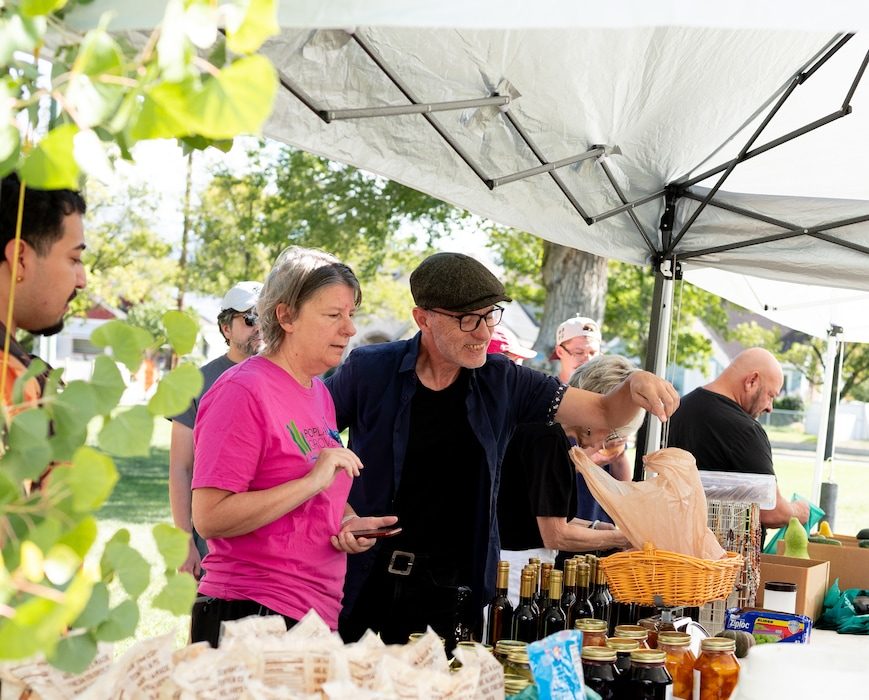
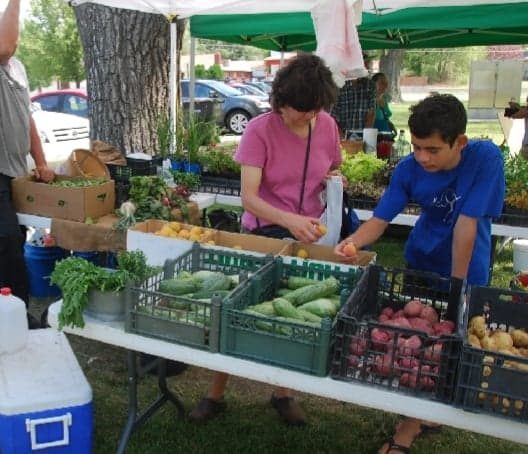
Utah's first farmers market to accept food stamps is closing after 20 years. The 9th West Farmers Market in Salt Lake City began taking Supplemental Nutrition Assistance Program (SNAP) cards when almost no market in the state did.

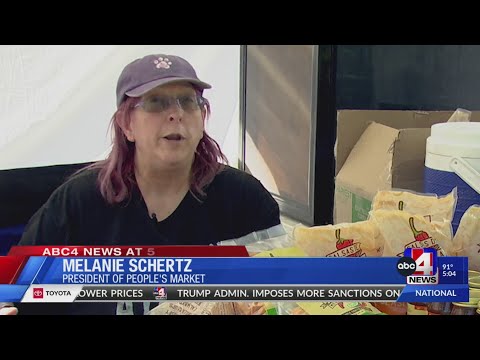
The market's president said the team is proud of its record: "We have helped so many others." The closure comes as Utah's state-run food access programs grow — Double Up Food Bucks, which matches SNAP dollars for produce, now operates in four grocery stores, and the Utah Department of Health and Human Services runs a broader Community Food Security Program.

Why it matters

The loss of Utah's pioneer SNAP farmers market removes a proven fresh-food access point for low-income shoppers in Salt Lake City.

Questions about this story

Free account needed to ask — your question is kept and asked for you right after sign-up. Answers are public.

No questions yet — be the first to ask.

Key Indicators

20
Years of operation
9th West Farmers Market opened around 2006 and is now shutting down.
First
Utah farmers market to accept SNAP
Pioneered food stamp acceptance at farmers markets in the state.
4
Grocery stores in Utah's Double Up Food Bucks program
State-run SNAP incentive program expanding as the pioneer market closes.

Voices

Curated perspectives — historical figures and your fellow readers.

Ever wondered what historical figures would say about today's headlines?

Sign up to generate historical perspectives on this story.

People Involved

Organizations Involved

Timeline

June 2006 September 2026

4 events Latest: Today
Tap a bar to jump to that date
  1. 9th West Farmers Market announces closure

    Today Closure

    Salt Lake Tribune reports the market is shutting down after 20 years; president says 'We have helped so many others.'

  2. Double Up Food Bucks expands to grocery stores

    Policy

    Utah's SNAP incentive program launches at its first grocery store, adding produce discounts for SNAP shoppers.

  3. 2008 Farm Bill signed

    Policy

    Law requires USDA to help farmers markets accept SNAP, including free EBT equipment and training.

  4. 9th West Farmers Market opens

    Inception

    Market opens in Salt Lake City; becomes first in Utah to accept SNAP food stamps.

Scenarios

1

Market stays closed; SNAP shoppers shift to other options

Likely Resolves by Jun 1, 2027

Discussed by: Salt Lake Tribune reporting suggests the closure is final

The market closes permanently. SNAP recipients in the area shift to other markets that accept EBT, or to state programs like Double Up Food Bucks at participating stores. No permanent replacement emerges at the 9th West location.

2

New operator revives the market for 2027 season

Possible Resolves by Jun 1, 2027

Discussed by: Community food advocates and local nonprofits

A community organization or nonprofit steps in to operate a farmers market at the 9th West location, possibly with support from Utah's Community Food Security Program or local grants. The market reopens under new management by summer 2027.

3

Closure spurs Utah legislature to fund SNAP infrastructure at farmers markets

Possible Resolves by Mar 15, 2027

Discussed by: Utah food policy advocates and state legislators

The closure draws attention to the fragility of SNAP-accepting farmers markets. Utah lawmakers introduce and pass legislation in the 2027 session providing dedicated state funding for EBT infrastructure, training, and technical support at farmers markets across the state.

Historical Context

3 moments from history that rhyme with this story — and how they unfolded.

1992–1994

WIC Farmers Market Nutrition Program (1992)

Congress launched a pilot program giving Special Supplemental Nutrition Program for Women, Infants, and Children (WIC) participants vouchers to buy fresh produce at farmers markets. It became permanent in 1994.

Then

Low-income mothers and children gained access to fresh produce at farmers markets for the first time.

Now

The program normalized the idea of government nutrition benefits being spent at farmers markets, paving the way for SNAP acceptance.

Why this matters now

Federal and state programs have progressively institutionalized what 9th West did on its own — connecting government food benefits to farmers markets.

June 2008

2008 Farm Bill (June 2008)

President George W. Bush signed the Food, Conservation, and Energy Act of 2008. The law directed the USDA to help farmers markets install EBT equipment and accept SNAP, providing free wireless terminals, training, and technical assistance.

Then

Farmers markets across the country gained the infrastructure to accept food stamps. The number of SNAP-accepting markets grew rapidly in the following years.

Now

What individual markets like 9th West had pioneered became standard practice across the country.

Why this matters now

The federal push that followed 9th West's innovation made SNAP acceptance table stakes for farmers markets — reducing the pioneering advantage of early adopters.

2009

Double Up Food Bucks launch in Michigan (2009)

Fair Food Network launched Double Up Food Bucks in Detroit, matching SNAP dollars spent at farmers markets with additional credit for fruits and vegetables. The program proved the model and expanded to multiple states.

Then

Low-income shoppers in Detroit gained double purchasing power for produce. The program grew from a few markets to hundreds across participating states.

Now

Double Up became a national model. Utah adopted it, launching at grocery stores in June 2025.

Why this matters now

The incentive model that made SNAP shopping at farmers markets more attractive is now run by the state, not by individual markets — part of the institutional shift that makes pioneer markets less essential.

Sources

(4)

More from Salt Lake City, UT

Openings, permits and council decisions in Salt Lake City, UT, in your inbox every Monday.