

Pull to refresh
Logo
Salt Lake City food nonprofit may pause meal service after funding shortfall

Salt Lake City food nonprofit may pause meal service after funding shortfall

Money Moves Salt Lake City, UT local

Food Justice Coalition needs individual donations to keep serving households outside grant eligibility

Yesterday: Food Justice Coalition warns of funding shortfall

Overview

Updated 1 hour ago

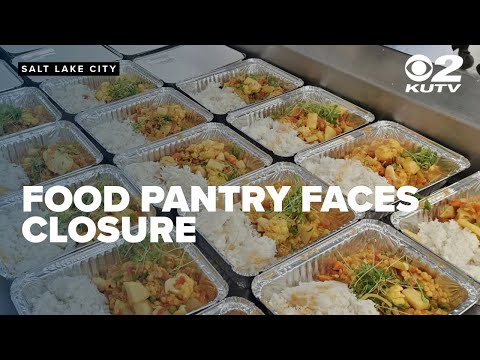
Food Justice Coalition, a Salt Lake City nonprofit, may pause meal service for many of the households it serves unless it raises $50,000 in days. The shortfall reflects a structural gap: most grant funding is restricted to specific eligibility categories, and individual donations cover everyone else.

The group says $14.98 from each unique supporter would fund six months of meals for every household it serves. That includes seniors, veterans, people with disabilities, college students, working adults, couples without children, and people experiencing homelessness, many of whom fall outside restrictive grant criteria.

Why it matters

A $50,000 gap could cut meals for Salt Lake City households that don't qualify for government food assistance.

Questions about this story

Free account needed to ask — your question is kept and asked for you right after sign-up. Answers are public.

No questions yet — be the first to ask.

Key Indicators

$50,000
Funding shortfall
Amount Food Justice Coalition says it needs to avoid pausing meal service
$14.98
Per-supporter ask
What each unique supporter would need to give to fund six months of meals
6 months
Meal program runway at full funding
How long the program would operate if the shortfall is closed

Voices

Curated perspectives — historical figures and your fellow readers.

Ever wondered what historical figures would say about today's headlines?

Sign up to generate historical perspectives on this story.

Organizations Involved

Timeline

1 event Latest: Yesterday
  1. Food Justice Coalition warns of funding shortfall

    Latest Funding Appeal

    The nonprofit emails supporters that it may pause meal service for many households unless it raises $50,000; a supporter shares the appeal on r/SaltLakeCity.

Scenarios

1

Donors close funding gap, meal service continues

Likely Resolves by Oct 15, 2026

Discussed by: Food Justice Coalition's own fundraising appeal and community response on r/SaltLakeCity

Individual supporters respond to the $14.98-per-person appeal. Food Justice Coalition announces it has raised enough to continue meal service at full capacity for the next six months.

2

Partial pause hits households outside grant eligibility

Possible Resolves by Nov 15, 2026

Discussed by: The nonprofit's warning that service could pause for 'a large portion' of households implies this middle outcome

Donations cover part of the shortfall, allowing some programming to continue. Food Justice Coalition reduces meal service for specific groups or scales back service days while keeping core grant-funded programs running.

3

Meal program halts for households outside grant coverage

Unlikely Resolves by End of 2026

Discussed by: The worst-case scenario the nonprofit warned about in its fundraising email

Funding doesn't materialize in time. Food Justice Coalition pauses meal service for households not covered by restricted grants and redirects remaining resources to grant-eligible populations it's contractually obligated to serve.

Historical Context

2 moments from history that rhyme with this story — and how they unfolded.

December 2018 - January 2019

2018-2019 Government Shutdown SNAP Disruption (2018-2019)

The federal shutdown stretched 35 days, the longest in US history. Nearly 170,000 Utah residents, about 5% of the state, faced uncertainty about their Supplemental Nutrition Assistance Program (SNAP) benefits as funding lapsed. Local food rescue and distribution nonprofits worked to fill gaps as demand surged.

Then

Food banks and food rescue organizations redistributed extra supplies while SNAP funding remained uncertain. Many drew down emergency reserves to keep serving clients.

Now

The episode showed how quickly federal funding disruptions hit local food assistance networks, and how those networks lean on individual donations to cover gaps.

Why this matters now

It illustrates the same mechanism visible today: when government or grant funding falls short, local food nonprofits absorb the difference with unrestricted donations.

March 2020 - December 2020

COVID-19 Food Bank Demand Surge (2020)

USDA data showed 38.3 million Americans experienced food insecurity in 2020, the highest level since 2014. Food banks in the Feeding America network distributed a record 4.2 billion meals, powered by emergency federal funds and a surge in individual giving.

Then

Emergency funding and volunteer support let food banks scale up dramatically in months.

Now

When pandemic-era emergency programs expired, many food banks hit budget cliffs and had to rebuild sustainable funding models. Donation spikes faded while demand stayed elevated.

Why this matters now

Shows the boom-bust cycle of nonprofit food funding: donations surge in visible crises, then recede, while ongoing demand and structural funding gaps remain.

Sources

(2)

More from Salt Lake City, UT

Openings, permits and council decisions in Salt Lake City, UT, in your inbox every Monday.