
Pull to refresh
Logo
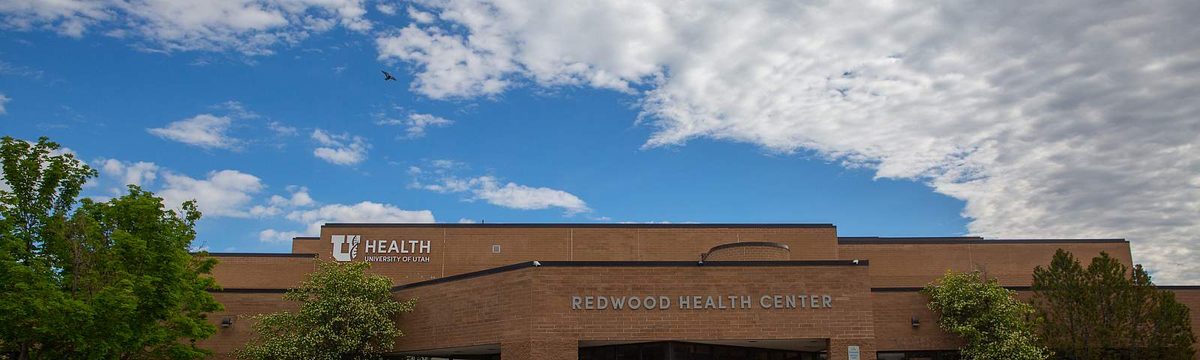
University of Utah Health buys Power District land for relocated clinic

University of Utah Health buys Power District land for relocated clinic

Built World Salt Lake City, UT local

New Redwood Health Center to replace Glendale clinic in planned west-side district

Yesterday: Board approves Power District land purchase

Overview

Updated 2 hours ago

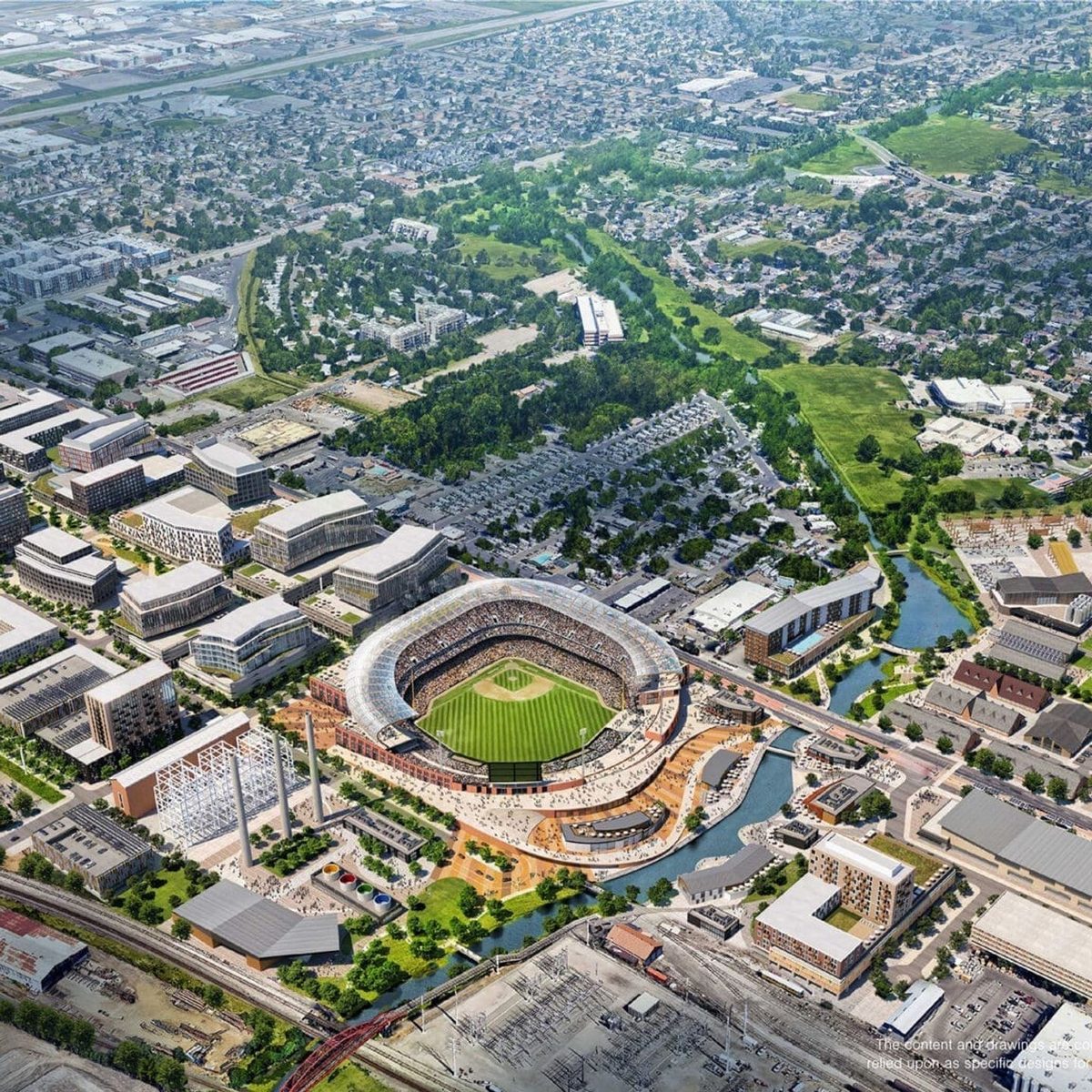
University of Utah Health is leaving its Redwood clinic in Salt Lake City's Glendale neighborhood for a new site inside the Power District, the west-side redevelopment planned around a possible Major League Baseball stadium. The board of trustees approved the 14-acre purchase at 50 N. Redwood Road on Oct. 13; the land appraises at nearly $23.2 million.

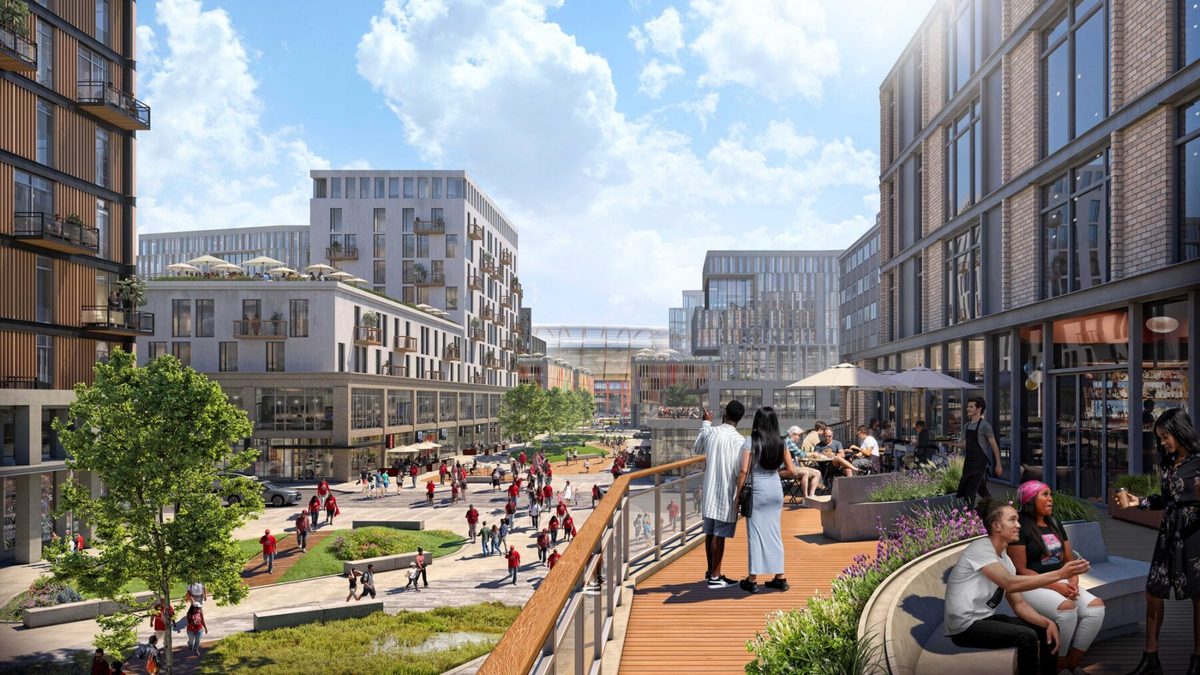
The new center sits 3.5 miles from the current building, and 85% of existing patients live within 10 miles, so the service area barely shifts. The deal also gives the Larry H. Miller Company's 100-plus-acre district a major health care anchor as it lines up offices, housing, and a new Rocky Mountain Power headquarters.

Why it matters

A new west-side medical hub gives thousands of patients a bigger, modern clinic near transit — if the Power District delivers on its promises.

Monday: what changed in Salt Lake City, UT

One short email a week with the openings, closings, permits and council votes we covered. Free. Unsubscribe in one click.

Questions about this story

Free account needed to ask — your question is kept and asked for you right after sign-up. Answers are public.

No questions yet — be the first to ask.

Key Indicators

14 acres
Land purchased in Power District
Site at 50 N. Redwood Road between I-80 and North Temple.
$23.2M
Appraised land value
Purchase price aligned with the appraisal, per university documents.
85%
Current patients within 10 miles
Share of existing Redwood Health Center patients near the new site.

Voices

Curated perspectives — historical figures and your fellow readers.

Ever wondered what historical figures would say about today's headlines?

Sign up to generate historical perspectives on this story.

People Involved

Organizations Involved

Timeline

1 event Latest: Yesterday
  1. Board approves Power District land purchase

    Latest Decision

    University of Utah Board of Trustees approves buying 14 acres at 50 N. Redwood Road for a new Redwood Health Center, replacing the Glendale clinic.

Scenarios

1

New Redwood Health Center Opens in Power District

Likely Resolves by End of 2029

Discussed by: University of Utah Health and Larry H. Miller Real Estate officials

Planning proceeds through 2027, construction breaks ground, and U of U Health opens the new center at 50 N. Redwood Road, replacing the Glendale clinic. Officials say this is the intended path, with the old site continuing to serve patients until the new facility is ready.

2

Power District Baseball Stadium Fails to Materialize

Uncertain Resolves by Jan 31, 2028

Discussed by: MLB expansion observers and local development analysts

If Salt Lake City does not land an MLB expansion team, the stadium anchor for the Power District disappears. The district's residential and office phases could slow, and the health center's timeline could slip, even though the medical facility itself does not depend on the stadium.

3

Health Center Construction Delayed by Rising Costs

Possible Resolves by End of 2027

Discussed by: The project's own history — an earlier expansion was abandoned after costs grew

The previous plan to expand the existing clinic was scrapped when analysis showed the work would cost far more than the $12.5 million lawmakers set aside. The new build could face similar pressure, pushing back construction or shrinking the facility's scope.

Historical Context

3 moments from history that rhyme with this story — and how they unfolded.

2012–2019

Hudson Yards, New York (2012–2019)

New York rezoned the Far West Side rail yards and extended the 7 subway line, letting developers build a new neighborhood from scratch. Anchor tenants, including major corporate headquarters, were essential to filling the office towers.

Then

The first phase opened in 2019 with offices, retail, and residences on previously industrial land.

Now

Hudson Yards became the model for public-private district building and a cautionary tale about reliance on anchors and cost overruns.

Why this matters now

Like the Power District, Hudson Yards needed committed anchor tenants to get off the ground. The U of U Health center plays that role for Salt Lake City's west side.

2006–2008

Navy Yard and Nationals Park, Washington D.C. (2006–2008)

Washington D.C. built a new baseball stadium for the Nationals on underused industrial land near the Anacostia River, spurring redevelopment of the surrounding Navy Yard neighborhood with offices and housing.

Then

The stadium opened in 2008 and anchored a wave of private development in the area.

Now

The Navy Yard became one of D.C.'s fastest-growing neighborhoods, showing that sports venues can anchor district-scale redevelopment.

Why this matters now

The Power District is likewise a sports-anchored redevelopment on former industrial land, with a prospective MLB stadium as a central driver of its housing and office plans.

2003–2012

City Creek Center, Salt Lake City (2003–2012)

The Church of Jesus Christ of Latter-day Saints' real estate arm redeveloped a downtown Salt Lake City block with housing, offices, retail, and a simulated creek. The roughly $1.5 billion project reopened a street that had been closed to cars.

Then

City Creek opened in 2012 and drew shoppers and residents back to downtown.

Now

It demonstrated that large private capital can reshape Salt Lake City's core when public investment stalls.

Why this matters now

City Creek was Salt Lake City's last big private district-scale redevelopment; the Power District follows the same playbook on the west side.

Sources

(4)